
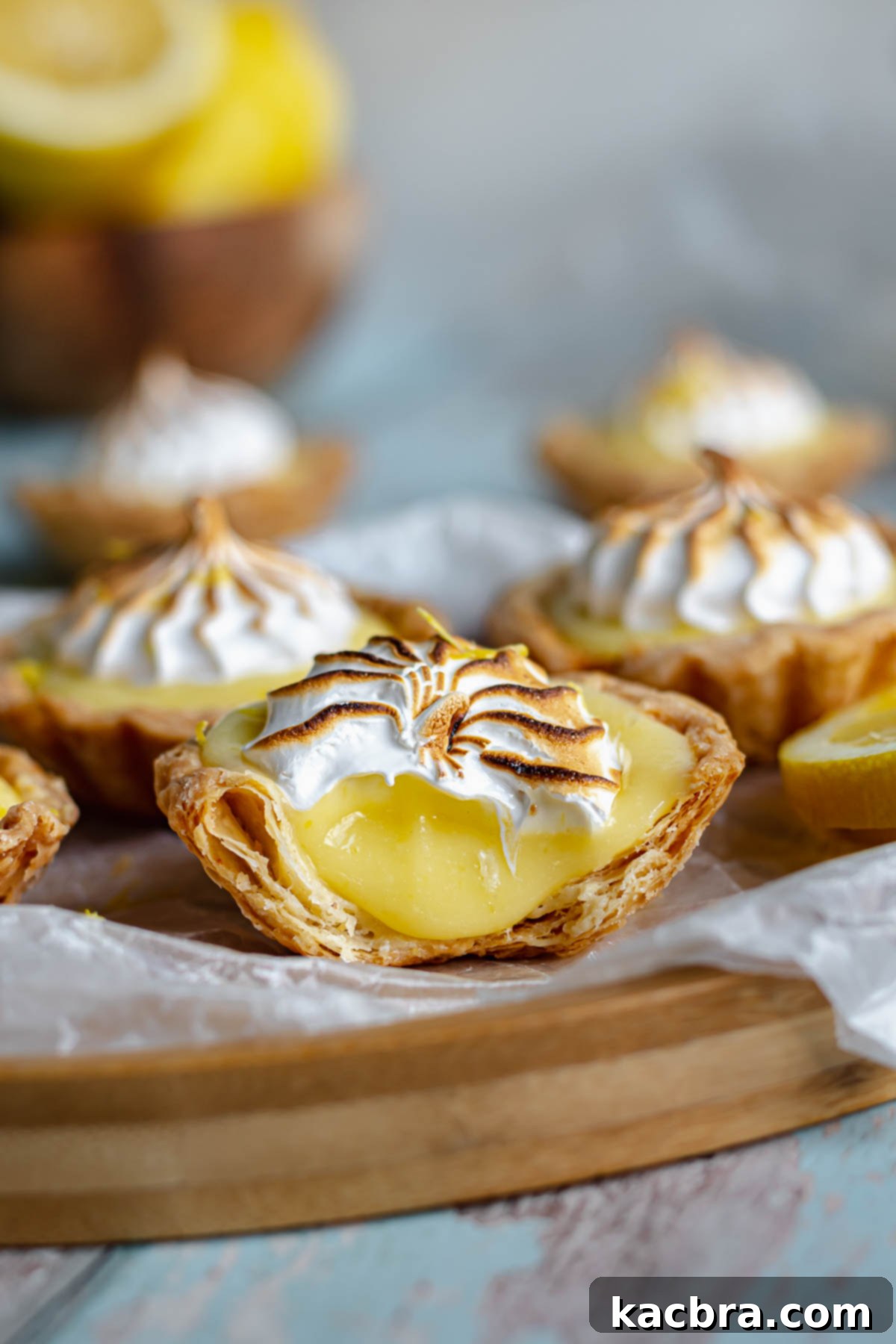
Indulge in the vibrant flavors of these exquisite **Mini Lemon Meringue Tarts**, a delightful dessert that marries the crispness of a golden pie crust with the zesty brightness of homemade lemon curd and a cloud-like swirl of fluffy Swiss meringue. Each bite offers a harmonious blend of tart and sweet, creating a truly unforgettable culinary experience. Perfect for gatherings, special occasions, or simply a treat for yourself, these individual tartlets are designed for sheer perfection and easy enjoyment. Get ready to impress with this fun and utterly delicious recipe!
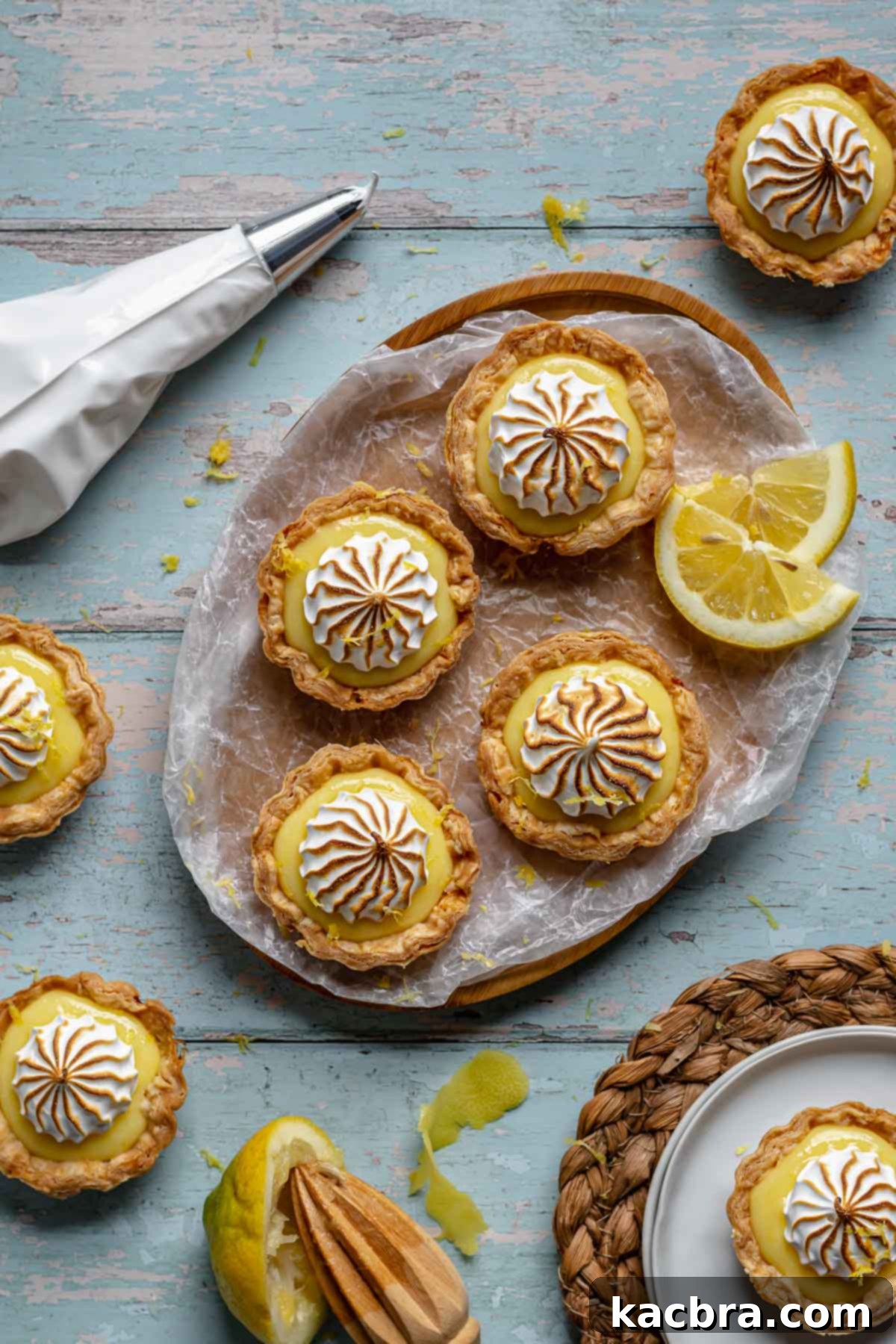
There’s nothing quite like a classic lemon meringue pie, but these **Mini Lemon Meringue Tartlets** elevate the experience by transforming it into individual, poppable delights. What truly sets this recipe apart is the incredible interplay of textures. The base is a perfectly flaky and buttery homemade pie crust, robust enough to cradle the rich, tangy lemon filling without becoming soggy. Crowned with a luscious, airy vanilla Swiss meringue, these tartlets offer a sublime sensory journey, making them an ideal treat for any citrus dessert enthusiast.
Crafting these mini lemon meringue tarts is a rewarding endeavor. While the crust requires baking, the vibrant lemon curd filling is a quick, mostly no-bake component, making the overall process surprisingly straightforward. Our featured easy lemon curd recipe ensures a consistently thick and flavorful filling, perfect for these individual desserts. For those adventurous palates, consider a delightful twist by alternating fillings, perhaps with a cranberry and lemon blend, inspired by our popular cranberry lemon bars.
While we adore these tartlets with a traditional all-butter pie crust for its classic appeal, versatility is a key aspect of this recipe. You can effortlessly substitute it with our tender sweet tart crust (pâte sucrée) for a more refined texture, or even opt for a convenient graham cracker crust/biscuit base, similar to what we use in our s’mores bars. Each crust option brings its unique character, allowing you to customize your mini tarts to suit your preference.
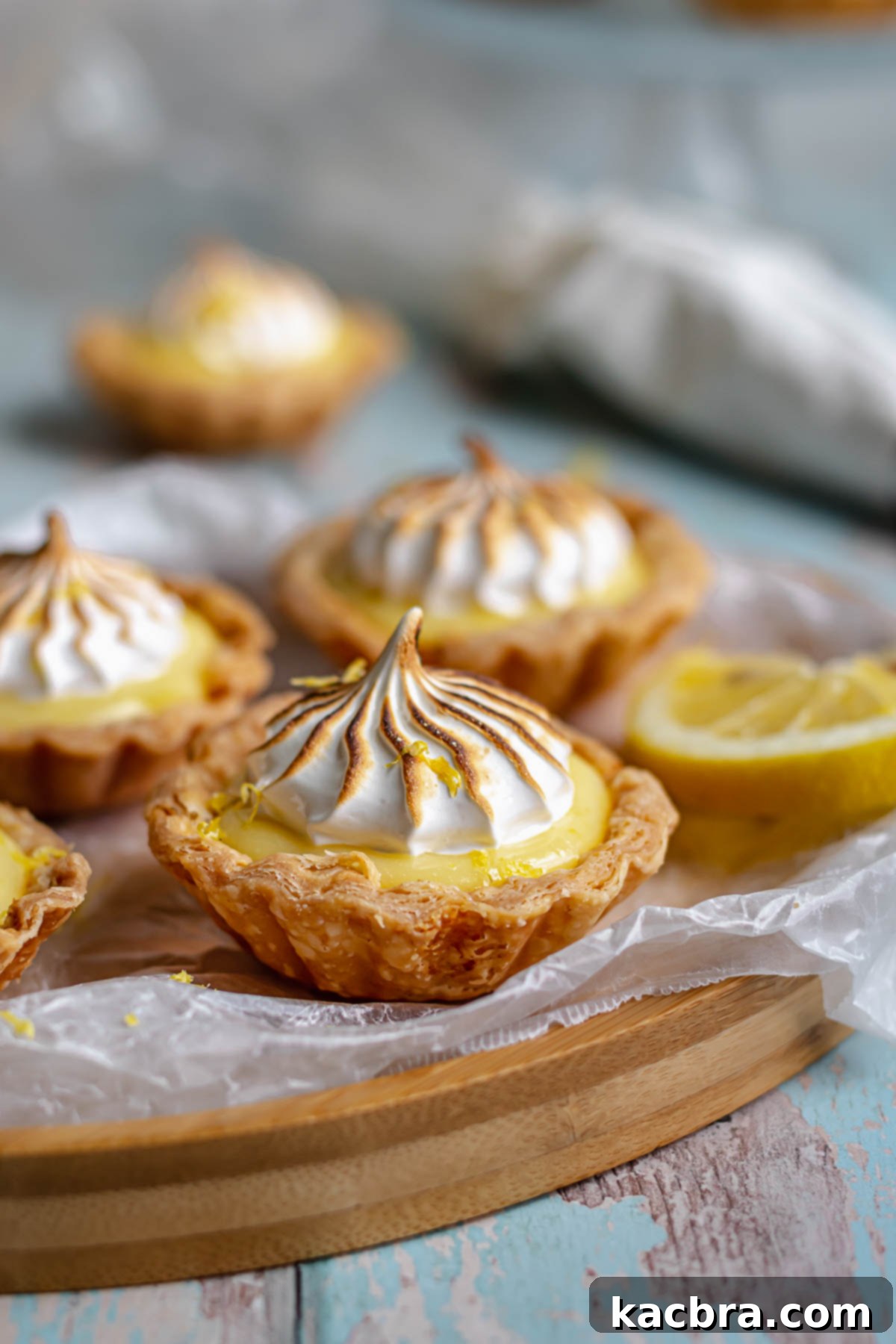
At the heart of these irresistible tartlets lies our incredibly easy lemon curd recipe. This staple recipe is not only perfect for these tarts but also a star in other creations like our Lemon Filled Donuts and the elegant Lemon Poppy Seed Cake. What makes our lemon curd stand out is its use of whole eggs rather than just egg yolks. This method results in a significantly thicker curd, which is ideal for holding its shape in filled items, and surprisingly, it boasts a less “eggy” flavor compared to many traditional curd recipes. The balance of tartness from fresh lemons and just the right amount of sweetness makes this curd truly exceptional.
If lemon isn’t your preferred citrus, don’t fret! This recipe is incredibly adaptable. Consider exploring alternative curds like the delightful grapefruit curd featured in our Individual Mini Pavlova Nests with Grapefruit Curd, offering a refreshing and equally tangy experience for your mini tarts.
Ingredient Notes: Crafting Perfect Mini Lemon Meringue Tarts
Understanding the role of each ingredient is key to achieving bakery-quality mini lemon meringue tarts. Here’s a closer look at the essential components:
- All-purpose flour. This forms the foundation of your flaky, tender tart crust. Using the right amount ensures structural integrity and a delicate texture.
- Unsalted butter. Quality butter is crucial for both the crust and the curd. For the crust, ensure your butter is as cold as possible (slicing it and chilling in the freezer for 10 minutes works wonders) to create those desirable flaky layers. For the lemon curd, room temperature butter will emulsify smoothly, resulting in a rich, velvety texture.
- Large eggs. Eggs play dual roles: full eggs provide the necessary richness and thickening power for the lemon curd, contributing to its stable consistency. The egg whites are then meticulously separated and used to create the light, airy, and structurally sound Swiss meringue topping.
- Granulated sugar. This sweetens both the tart lemon curd and stabilizes the Swiss meringue. Achieving the right balance is essential to complement the lemon’s tartness without overpowering it.
- Lemons. Fresh lemons are non-negotiable for these tarts! You’ll need approximately 2-3 large, juicy lemons to yield enough zest and juice. Always remember to zest the lemons *before* juicing them; it’s much easier and ensures you capture all that fragrant, citrusy oil.
- Vanilla paste or extract. A touch of vanilla adds a subtle warmth and depth to the Swiss meringue, enhancing its overall flavor profile without competing with the bright lemon.
Essential Tools for Mini Lemon Meringue Tarts
Having the right kitchen tools can make the process of baking these delightful tarts much smoother and more enjoyable. Here are the items you’ll need:
- Tartlet pans or a standard muffin tin. These small individual molds are perfect for shaping your tart crusts. Whether you opt for dedicated tartlet pans or a standard muffin tin, your mini shells will bake beautifully.
- Food processor (or pastry cutter). For making the pie crust, a food processor significantly speeds up the process, incorporating the butter into the flour with minimal handling. If you don’t have one, a pastry cutter will also work effectively to cut the butter into the flour by hand.
- Parchment paper. You’ll need about 12 small squares, cut to fit snugly into each tartlet shell. This is essential for blind baking, preventing the crust from bubbling up and ensuring a flat, even base.
- Pie weights or dried beans/rice. These are placed on top of the parchment paper-lined crusts during blind baking. Their weight prevents the dough from shrinking and helps maintain the perfect cup shape. If you don’t have specialized pie weights, dried rice or beans are excellent reusable alternatives (just remember, once used for baking, they are not for consumption).
- Microplane. This fine grater is indispensable for extracting all the aromatic zest from your lemons, essential for a truly flavorful lemon curd.
- Fine mesh strainer. After cooking, your lemon curd should be passed through a fine mesh strainer to achieve a perfectly smooth and silky texture, free from any small pieces of cooked egg or zest.
- Stand mixer with whisk attachment or handheld mixer. This is your workhorse for creating the voluminous and stable Swiss meringue topping. The whisk attachment whips the egg whites and sugar into a glorious, stiff-peaked cloud.
- Blow torch. While optional, a kitchen blow torch is highly recommended. It allows you to beautifully caramelize and toast the meringue peaks, adding both visual appeal and a delicate toasted flavor to your tarts.
How to Make Perfect Mini Lemon Meringue Tarts: A Step-by-Step Guide
Creating these charming mini lemon meringue tarts involves a few distinct stages, each contributing to the final masterpiece. Follow these detailed steps for a truly rewarding baking experience.
STEP 1: Prepare the Flaky Pie Crust. The journey begins with preparing your pie crust dough. For a detailed guide, including tips for the flakiest results, please refer to my comprehensive all-butter pie crust post. After preparation, allow the dough to hydrate and chill thoroughly in the refrigerator for at least 2 hours. This resting period is crucial for developing flavor and making the dough easier to work with.
Easy Homemade Lemon Curd
STEP 2: Craft the Bright Lemon Curd. While your pie crust chills, prepare the luscious lemon curd. Combine all the curd ingredients (except the room temperature butter) in a saucepan over medium heat. Whisk continuously until the mixture visibly thickens and begins to bubble. Immediately remove from heat and pass the warm curd through a fine mesh sieve into a clean bowl to ensure a perfectly smooth consistency. Whisk in the room temperature butter, one tablespoon at a time, until fully incorporated and glossy. Cover the curd with plastic wrap, pressing it directly onto the surface to prevent a skin from forming, and refrigerate it to cool completely and thicken. For more in-depth instructions, visit my dedicated lemon curd post. This homemade lemon meringue pie filling is incredibly simple and adds an authentic touch to your tarts.
Baking the Golden Tartlet Shells
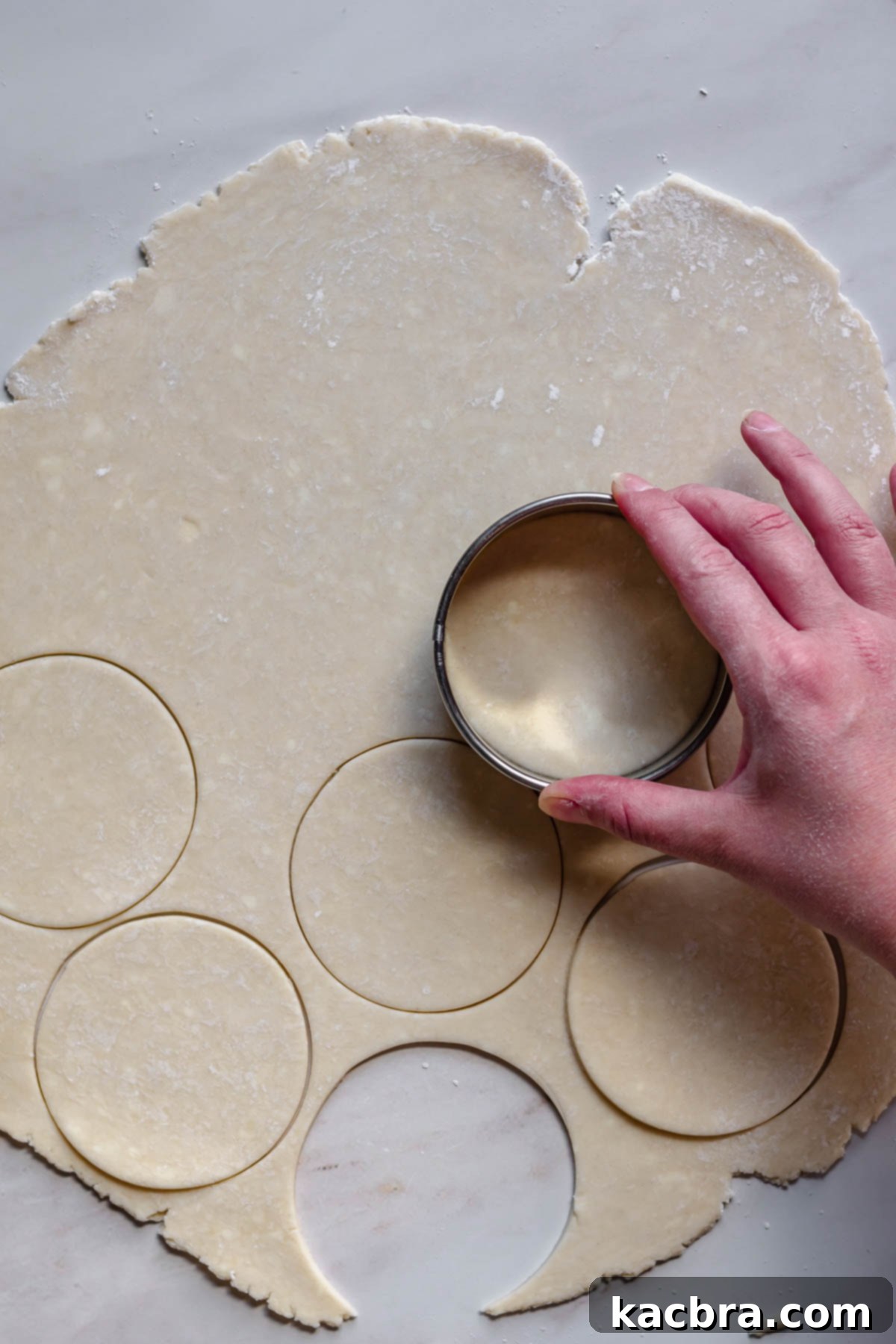
STEP 3: Roll and Cut the Dough. Once your pie dough has properly chilled, lightly flour a clean work surface and your rolling pin. Roll out the dough evenly to about ⅛-inch thickness. Using a round cookie cutter, a drinking glass, or a knife, cut out 12 rounds of dough that are slightly larger than the wells of your tartlet pans or muffin tin. Gather any dough scraps, gently re-roll them, and cut out additional rounds until you have 12 in total.
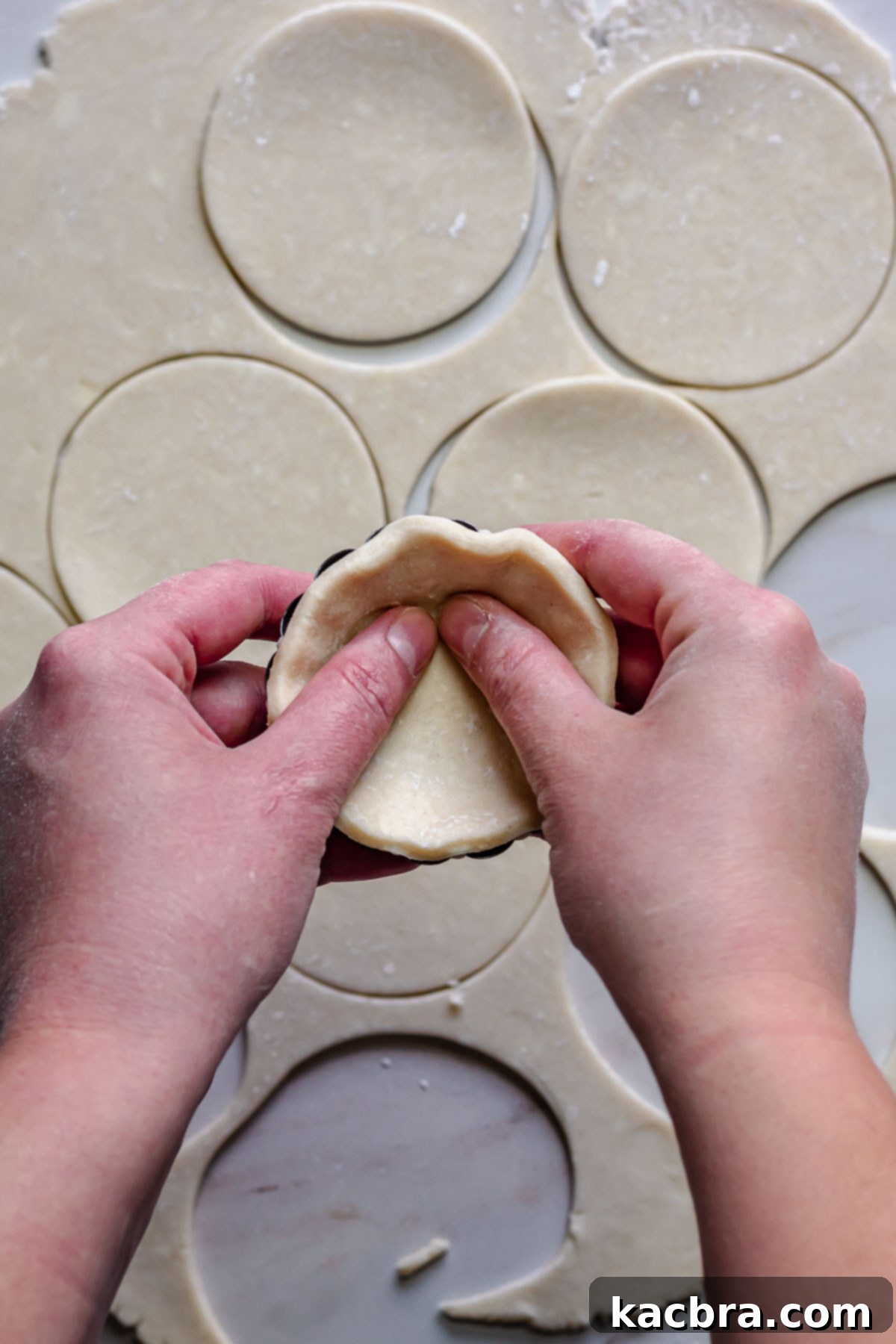
STEP 4: Blind Bake for Crispy Shells. Carefully press each dough round into the corners and up the sides of your tartlet pans or muffin tin wells, ensuring an even layer. Use a fork to gently prick the bottom of each shell a few times (this is called “docking” and helps prevent puffing). Place the prepared dough-filled pans into the freezer for 15 minutes. This quick freeze helps to set the butter and minimize shrinkage during baking. Preheat your oven to 375°F (190°C). After freezing, line each chilled tartlet shell with a small square of parchment paper and fill it completely with pie weights, dried rice, or beans. Blind bake the shells for approximately 25 minutes. Then, carefully remove the pie weights and parchment paper and bake for an additional 5 minutes, or until the crusts are lightly golden brown and firm. Allow the baked shells to cool completely in their pans on a wire rack before attempting to remove them.
How to Make Fluffy Swiss Meringue
STEP 5: Prepare the Meringue Base. Set up a double boiler by placing a heatproof bowl over a saucepan filled with about an inch of simmering water. Ensure the bottom of the bowl does not touch the water. Add the egg whites and granulated sugar to the bowl. Whisk the mixture gently and continuously over medium heat until it becomes foamy and all the sugar granules have completely dissolved. You can test this by rubbing a small amount of the mixture between your fingers; if it feels smooth, without any grit, it’s ready. A thermometer reading of approximately 160°F (71°C) also indicates readiness.
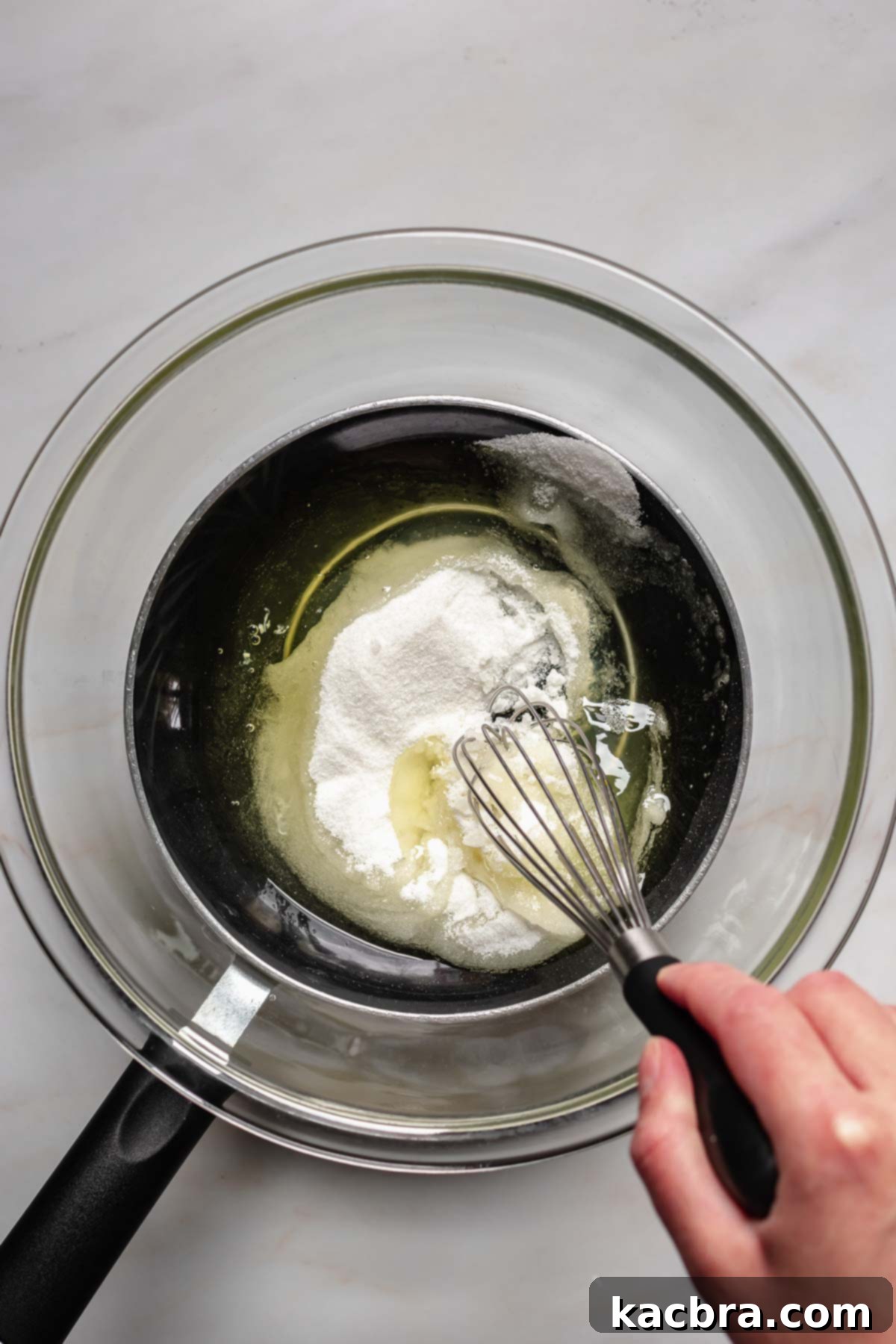
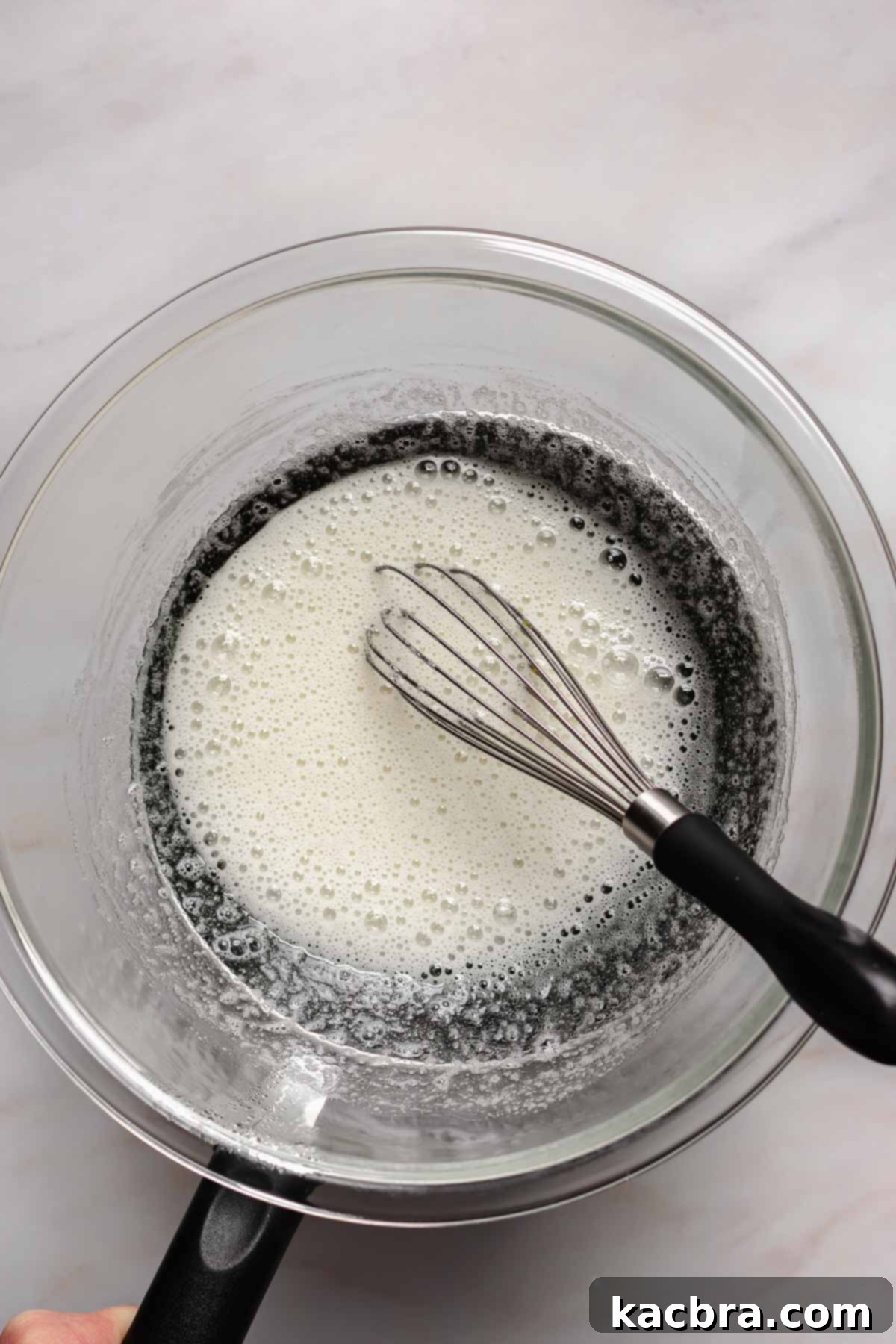
STEP 6: Whip to Stiff Peaks. Carefully transfer the warm egg white and sugar mixture to the bowl of a stand mixer fitted with the whisk attachment (or use a high-powered handheld mixer). Begin beating on medium speed for about a minute, then increase to high speed. Continue to whip the meringue until it forms firm, glossy, and stiff peaks. You’ll know it’s ready when you can lift the whisk and the meringue holds its shape, or if you can confidently turn the bowl upside down without the meringue shifting or slipping. Finally, add the vanilla paste or extract and mix briefly to combine, ensuring a beautifully flavored meringue.
Mini Lemon Meringue Tart Assembly
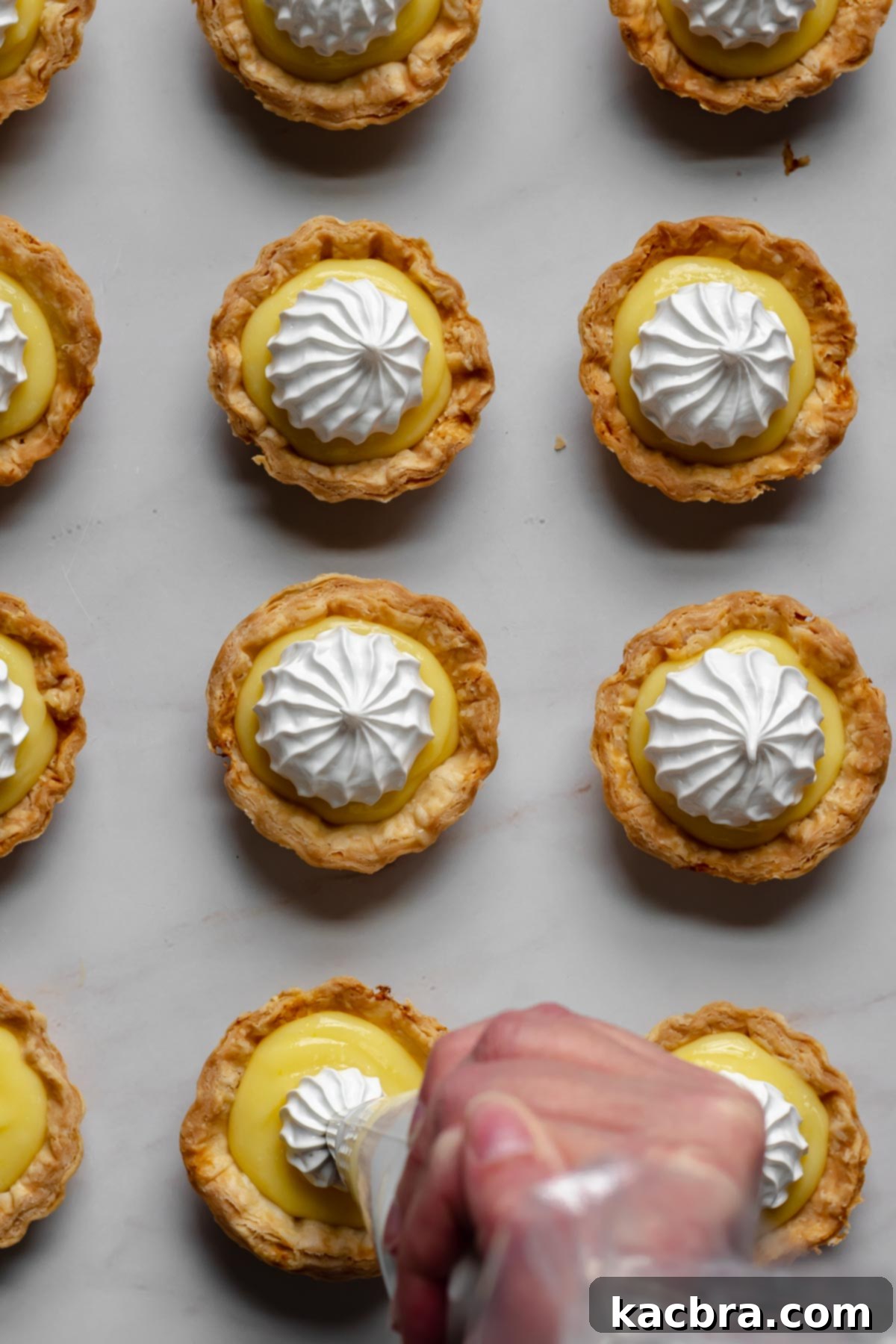
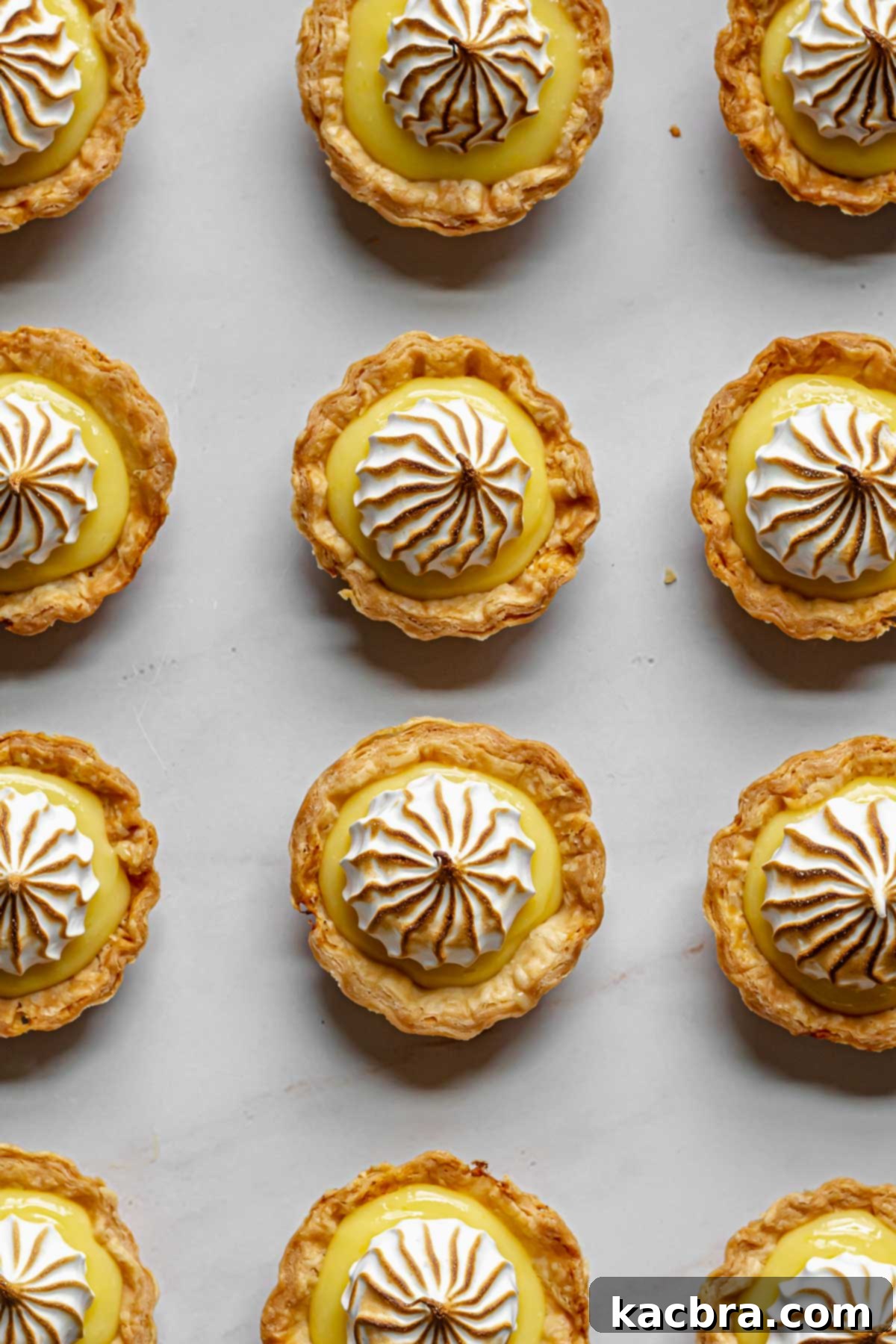
STEP 7: Assemble and Torch. Once all components are prepared and cooled, it’s time for assembly. Spoon or pipe the chilled lemon curd into each cooled tartlet shell until it is nearly full. Next, spoon or pipe generous dollops or elegant swirls of the fluffy Swiss meringue on top of the lemon curd. For that iconic golden-brown finish and delicate toasted flavor, carefully use a kitchen blow torch to lightly toast the meringue peaks. Alternatively, you can place the tartlets under a broiler on high heat for a very quick toast. If using the broiler, watch them continuously and do not step away, as meringue can burn or melt rapidly.
Creative Recipe Variations for Your Mini Tarts
These mini lemon meringue tarts are wonderfully versatile, offering plenty of opportunities to experiment with different crusts, fillings, and even toppings to suit various tastes and occasions.
Crust Innovations: Beyond the classic pie crust, you have several excellent options. For a more delicate and crumbly base, try my sweet tart crust recipe, making sure to fully blind bake as instructed. If you’re looking for a simpler, no-roll option, you can easily adapt a graham cracker crust. Use the recipe from my s’mores bars, firmly press the graham cracker mixture into your tartlet pans, and bake according to similar instructions for a sturdy, flavorful base. For ultimate convenience, store-bought tartlet shells (whether made from pie crust, shortcrust, or even mini phyllo pastry shells) are a fantastic time-saving alternative.
Filling Fantasies: While lemon is the star here, the curd base can be flavored with other delightful citrus fruits. Experiment with fresh orange or grapefruit juice to create equally vibrant and tangy fillings. For a berry-infused twist, you can try a homemade raspberry or cranberry curd; simply cook down fresh berries, sweeten, and pass through a sieve to remove seeds. My Cranberry Curd Tartlets offer a festive and delicious variation, perfect for holiday seasons.
Meringue Magic: While Swiss meringue provides incredible stability and a silky texture, you could explore other meringue types. Italian meringue is another stable option, known for its glossy finish. For a softer, lighter topping, a classic French meringue could be used, though it’s less stable and best served immediately. Consider infusing your meringue with a hint of almond or orange blossom water for an added layer of flavor.
Storing and Freezing Your Mini Lemon Meringue Tarts
Proper storage is key to enjoying your mini lemon meringue tarts at their best. Here are some guidelines for keeping them fresh:
Unfilled Tart Shells: The fully baked and cooled tart shells can be stored at room temperature in an airtight container for up to 5 days. This makes them an excellent make-ahead component for entertaining.
Filled Tarts (without Meringue): Once filled with lemon curd, the tartlets can be refrigerated, covered loosely, for up to 2 days. It’s highly recommended to add the Swiss meringue topping just before serving to ensure its peak freshness, texture, and appearance.
Fully Assembled Tarts: Mini lemon meringue tarts with meringue topping are best enjoyed fresh. However, if you have leftovers, they can be stored in the refrigerator for up to 24 hours. The meringue may slightly weep or soften over time, but the flavors will still be delicious.
Freezing for Later: For longer storage, you can freeze the tartlets assembled without the meringue. Tightly wrap the curd-filled mini tarts individually in plastic wrap, then place them in an airtight freezer-safe container or bag. They can be frozen for up to two months. To serve, unwrap the frozen tarts and thaw them gently in the refrigerator. Once thawed, prepare and pipe on the fresh Swiss meringue and torch just before serving for that perfect finishing touch.
Frequently Asked Questions & Expert Tips for Mini Lemon Meringue Tarts
Here are answers to common questions and helpful tips to ensure your mini lemon meringue tarts turn out perfectly every time.
While a kitchen torch offers superior control and precision for toasting meringue, you can achieve a similar effect using your oven’s broiler. Place the assembled mini lemon meringue tarts on a baking sheet and slide them under a preheated high broiler. The key is to keep an extremely close eye on them, rotating the pan as needed to ensure even browning. Meringue can burn very quickly, so do not leave them unattended for even a moment.
Absolutely! Using store-bought tartlet shells is a fantastic time-saver, especially when you’re short on time or prefer to focus on the filling and meringue. Look for shells made from pie crust, shortcrust, or sweet crust. If these aren’t available, frozen phyllo pastry shells can also work beautifully for a different, crispy texture.
While I used specific tartlet pans for the photos, a standard muffin tin is a perfectly acceptable alternative for making the mini tart shells. Simply follow the same instructions for rolling, cutting, pressing, and blind baking. Keep in mind that tart shells made in a muffin tin might be slightly shorter and wider than those from dedicated tartlet pans, and you might yield around 9 shells instead of 12, depending on the size of your muffin tin.
Yes, store-bought lemon curd can certainly be used for convenience. However, I strongly encourage you to try our homemade lemon curd recipe. It’s incredibly simple to make from scratch and yields a consistently thicker, richer, and more vibrantly flavored curd than most commercial varieties, making a significant difference in the final taste and texture of your mini tarts.
Other Delightful Recipes to Explore
If you’ve enjoyed making these mini lemon meringue tarts, you might also like to try these other fantastic recipes from my kitchen:
- Cranberry Curd Tart (mini version): A delightful tart with a festive twist, perfect for the holiday season.
- Lemon Filled Donuts (with Meringue Topping): Soft, fluffy donuts bursting with lemon curd and topped with a sweet meringue.
- Individual Mini Pavlova Nests with Grapefruit Curd: Elegant and airy meringue nests filled with a bright, tangy grapefruit curd.
Did you make this recipe? We’d love to see your creations! Tag us on Instagram or Facebook and don’t forget to leave a star rating⭐️ below! For more inspiring culinary ideas and baking tips, follow me on Pinterest.
📖Recipe

Mini Lemon Meringue Tarts
Callan Wenner
Pin Recipe
Equipment
- Tartlet pans (9) or standard muffin tin
- Microplane or zester
- Fine mesh sieve
- Parchment paper
- Pie weights, or dried beans/rice
- Stand mixer with whisk attachment, or handheld mixer
- Blow torch (optional)
Ingredients
Flaky Pie Crust
- 3¼ cups all-purpose flour (390g)
- 1 cup + 6 tablespoons unsalted butter cold (311g)
- 1 teaspoon kosher salt
- ⅔ cups water with ice cubes (5.3oz)
Lemon Curd
- 3 large eggs
- ½ cup sugar (100g)
- 3 tablespoons lemon zest
- ⅓ cup lemon juice freshly squeezed
- 6 tablespoons unsalted butter room temperature (85g)
Swiss Meringue
- 2 large egg whites
- ½ cup sugar (100g)
- pinch salt
- 1 teaspoon vanilla paste or extract
Instructions
Pie Crust
- In a bowl, add the water and some ice cubes and set aside. Using a food processor, add the flour and salt to the bowl. Cut your cold butter into 1 inch pieces and add to the flour so they are evenly distributed around the bowl.3¼ cups all-purpose flour, 1 cup + 6 tablespoons unsalted butter, 1 teaspoon kosher salt
- Pulse the mixture until the butter reaches pea-sized pieces and looks crumbly. Add in the ⅔ cup ice cold water, and pulse again until the dough starts to form a ball (you want to still see butter chunks).⅔ cups water
- Remove the dough and flatten into a one-inch disc and wrap tightly in plastic wrap. Place in the fridge for 2 hours to fully hydrate. Only one disc is needed, the other can be frozen after the chilling period. While the dough is resting, make the lemon curd.
- After two hours, lightly flour a rolling pin and work surface, then roll out the dough until it’s about ¼ inch thick. Continue to lightly flour your surface if the dough begins to stick.
- Using a cookie cutter, drinking glass, or knife, cut 12 rounds slightly larger than your tartlet pans or muffin tin openings. Press the dough into the sides and edges of the pan. Re-roll the scraps to get all 12 rounds.
- Place the prepared dough into the freezer for 15 minutes. This will help prevent the pie crust from shrinking.
- Preheat the oven to 375℉. Remove the crust from the freezer, and dock the bottoms a couple of times with a fork. Place a small sheet of parchment paper over each crust and fill completely with pie weights. Bake the crust for 25 minutes, then remove the weights and parchment paper and bake for another 5 minutes. The crust should be lightly golden brown and should slide out of the tins easily.
- Remove from the oven and cool completely on a wire rack in the pans.
Lemon Curd
- In a medium saucepan over medium low heat, whisk together the eggs, sugar, lemon juice and lemon zest. Whisk constantly until the mixture begins to thicken and starts to bubble. This usually happnens with in five minutes. This is different on every stove top – you will see a noticeable difference in the viscosity.3 large eggs, ½ cup sugar, 3 tablespoons lemon zest, ⅓ cup lemon juice
- Once thickened, remove from the heat and pass the curd through a fine mesh sieve into a bowl. Whisk in one tablespoon of butter at a time, not adding another piece until the first is totally incorporated.6 tablespoons unsalted butter
- Cover with plastic wrap, putting the wrap directly onto the curd to prevent a skin from forming, and chill for one to two hours in the fridge.
Swiss Meringue
- Fill a saucepan with about 1 inch of water and turn to high heat. Add a heat proof bowl over top that fits securely. You don’t want any of the water touching the bottom of the bowl.
- To the bowl, add the egg whites, sugar, and salt and whisk to combine. Continue lightly whisking until the mixture is warm and the sugar granules have dissolved. Check this by rubbing your fingers together in the mixture. If you can still feel sugar granules, continue cooking. If you have a thermometer, cook it to around 160℉.2 large egg whites, ½ cup sugar, pinch salt
- One the mixture is ready, add it to the bowl of a stand mixer fitted with the whisk attachment (or use a handhelp mixer) and whip on medium speed for about a minute. Turn to high speed and whip until stiff peaks form.
- Once the meringue hits stiff peaks, add the vanilla then mix once more to combine. The meringue is ready when the bowl can be turned upside down without any movement or sliding.1 teaspoon vanilla paste or extract
Assembly
- To assemble, pipe or spoon the curd into each tartlet shell until it’s almost full. Then, pipe or dollop the meringue on top of the curd. Brown the meringue with a blow torch, or carefully broil on high in the oven until the desired color is reached.
Notes
The curd-filled mini tarts (without the meringue) can be tightly wrapped and frozen for 2 months. Unwrap and thaw in the fridge.
Crust variations: You can also use my Sweet Tart Crust or Graham Cracker Crust if you don’t want to use a pie crust.
The provided nutritional information is an estimate per serving. Accuracy is not guaranteed.