
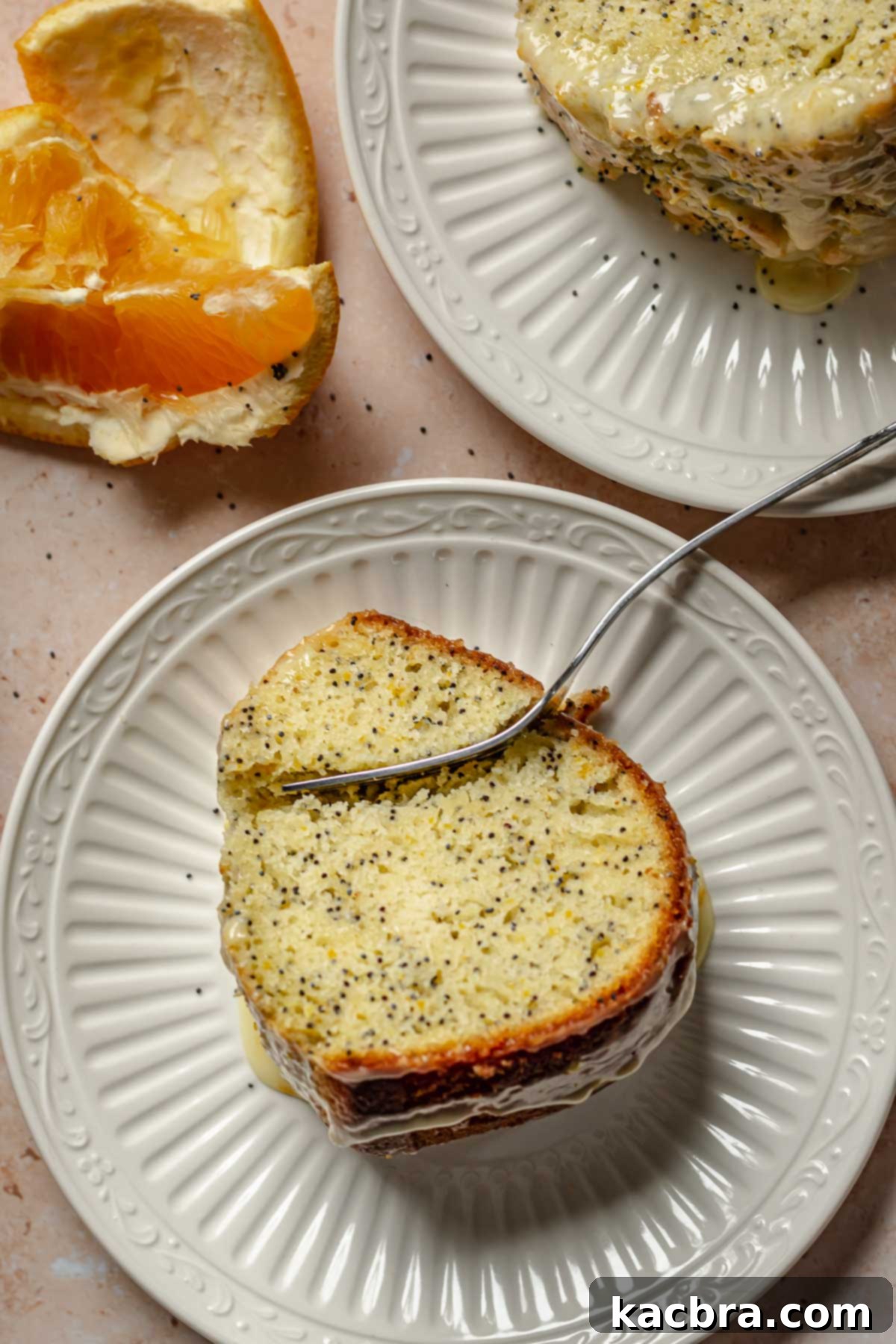
Indulge in the bright, zesty flavors of the tropics with this incredible Orange Poppy Seed Cake. This recipe delivers a cake that is beautifully soft, remarkably moist, and bursting with fresh citrus notes, making it an absolute delight for any occasion. Whether baked in a classic Bundt pan for an elegant presentation or a simple loaf pan for everyday enjoyment, this cake is guaranteed to impress. Each slice boasts a tender, open crumb texture, perfectly balanced sweetness, and a vibrant orange aroma that will fill your kitchen.
Published: January 6, 2021; Republished: June 8, 2022

This exquisite Orange Poppy Seed Bundt Cake transforms a basic vanilla oil cake (butter-free!) into a masterpiece of texture and flavor. The secret to its incredibly rich and moist crumb lies in the generous use of sour cream, which adds a delightful tang and ensures a tender result. But the true star here is the orange flavor, maximized by a clever technique: blending granulated sugar directly with fresh orange peels. This process releases the essential oils from the zest, infusing the sugar with an intense, aromatic citrus essence that permeates every bite of the cake.
The journey to perfection doesn’t stop there. Once baked to a golden hue, the warm cake is lovingly brushed with a homemade orange syrup. This luscious syrup soaks deep into the cake, adding another layer of moisture and a subtle burst of fresh orange sweetness. After cooling completely, the cake is crowned with a quick, pourable glaze, vibrantly flavored with even more orange zest. The result is a profoundly flavorful cake that never veers into overly sweet territory and amazingly, remains moist and delicious for days, making it perfect for preparing ahead or savoring slowly. This versatile recipe can be adapted to bake either a show-stopping Bundt cake or a charming orange poppy seed loaf cake, offering flexibility for your baking needs. Refer to the recipe card below for specific instructions on both options. Prepare to fall in love with its unparalleled softness and flawless taste!

Why You’ll Love This Orange Poppy Seed Cake
- Unrivaled Moistness: Thanks to the combination of vegetable oil and sour cream, this cake boasts an incredibly moist and tender crumb that stays fresh for days. No dry cakes here!
- Intense Citrus Flavor: The unique method of blending orange peels with sugar truly extracts the maximum flavor and aroma from the oranges, creating a cake that’s bursting with bright, natural citrus.
- Perfectly Balanced Sweetness: While undeniably a treat, this cake is designed to be flavorful without being cloyingly sweet, allowing the orange and poppy seed notes to shine through.
- Beautiful Presentation: Whether you choose a classic Bundt pan or a simple loaf pan, the cake emerges with an appealing golden crust and a delightful visual appeal, especially when drizzled with the zesty glaze.
- Easy to Make: Despite its impressive taste and texture, the recipe is straightforward and uses common pantry ingredients, making it accessible for bakers of all skill levels.
If you’re looking to explore more delightful cake variations, you might also enjoy my Lemon Poppy Seed Cake with Cream Cheese Frosting for a tangy twist. For more Bundt cake inspirations, consider the light and airy Lemon Ricotta Cake with Blueberry Glaze or the rich and fruity Raspberry White Chocolate Bundt Cake!
Essential Ingredient Notes for Perfection
Crafting the perfect Orange Poppy Seed Cake starts with understanding the role of each ingredient. Here’s a deeper look into what you’ll need and why it matters:
- Dry Ingredients: All-purpose flour, baking powder, and salt. These form the structural backbone of your cake. All-purpose flour provides the necessary gluten for texture, baking powder is crucial for lift and that characteristic open crumb, and a touch of salt balances the sweetness and enhances all the other flavors. Ensure your baking powder is fresh for optimal rise.
- Oranges: Zest & juice! Fresh oranges are non-negotiable for this recipe. You’ll need about four to five large, juicy oranges to get enough zest for the cake and glaze, plus plenty of fresh juice for both the cake batter and the delightful orange syrup. The zest holds the most intense citrus oils, providing the robust orange flavor, while the juice adds moisture and brightness.
- Granulated sugar: Beyond just sweetness, sugar plays a vital role in texture and moisture. The unique first step of this recipe involves blending the granulated sugar with orange peels. This process helps to finely incorporate the highly aromatic oils from the orange zest into the sugar, creating a flavorful citrus sugar that deeply infuses the entire cake with maximum orange essence.
- Wet Ingredients: Eggs, vegetable oil, vanilla, and sour cream. For the silkiest batter and best cake texture, all wet ingredients should be at room temperature.
- Eggs: Act as binders, provide structure, and contribute to the cake’s richness and moisture. Room temperature eggs emulsify better with other ingredients.
- Vegetable oil: Unlike butter, oil contributes pure, consistent moisture without adding a distinct flavor, allowing the orange to truly shine. It also helps keep the cake moist for longer.
- Vanilla: A classic flavor enhancer that complements the orange beautifully, adding depth and warmth to the overall profile.
- Sour cream: This is a superstar ingredient for moisture and tenderness. Its acidity reacts with the baking powder to create a lighter crumb, and its fat content ensures a rich, luxurious texture. Full-fat sour cream is recommended for the best results.
- Poppy Seeds: These tiny seeds provide a delicate crunch and a subtle, nutty flavor that pairs wonderfully with citrus. Always ensure your poppy seeds are fresh, as stale seeds can develop a bitter taste and lose their characteristic aroma quickly.
- Powdered sugar: Essential for the luscious, smooth final glaze that crowns the cake. It dissolves easily, creating a silky texture without grittiness.
To prepare this recipe efficiently, a microplane or zester will be invaluable for extracting the fine orange zest. While not strictly required, having a food processor or a powerful blender will make the first step of combining orange peels and sugar much easier, ensuring that rich citrus flavor is fully integrated.
How to Bake the Best Orange Poppy Seed Cake
Get ready to create an undeniably delicious orange poppy seed cake. Follow these steps for a perfect bake every time!
STEP 1: Infuse Your Sugar with Intense Orange Flavor. Begin by peeling approximately 1.5 large oranges, making sure to remove only the bright orange part of the peel, avoiding the bitter white pith beneath. Transfer these vibrant orange peels to a food processor or blender along with the granulated sugar. Pulse the mixture until the orange peels are completely broken down and thoroughly incorporated into the sugar, turning the sugar a beautiful pale orange and releasing an incredibly aromatic citrus scent. This vital step maximizes the orange flavor in your cake.


STEP 2: Combine Wet and Dry Ingredients. In a separate large bowl, whisk together your dry ingredients: all-purpose flour, baking powder, and salt. Set this aside. Transfer your freshly made citrus-infused sugar to the bowl of a stand mixer fitted with a paddle attachment. Add the room-temperature eggs, vegetable oil, and vanilla extract. Beat these wet ingredients together on medium-low speed until they are well combined and the mixture is smooth and slightly thickened.

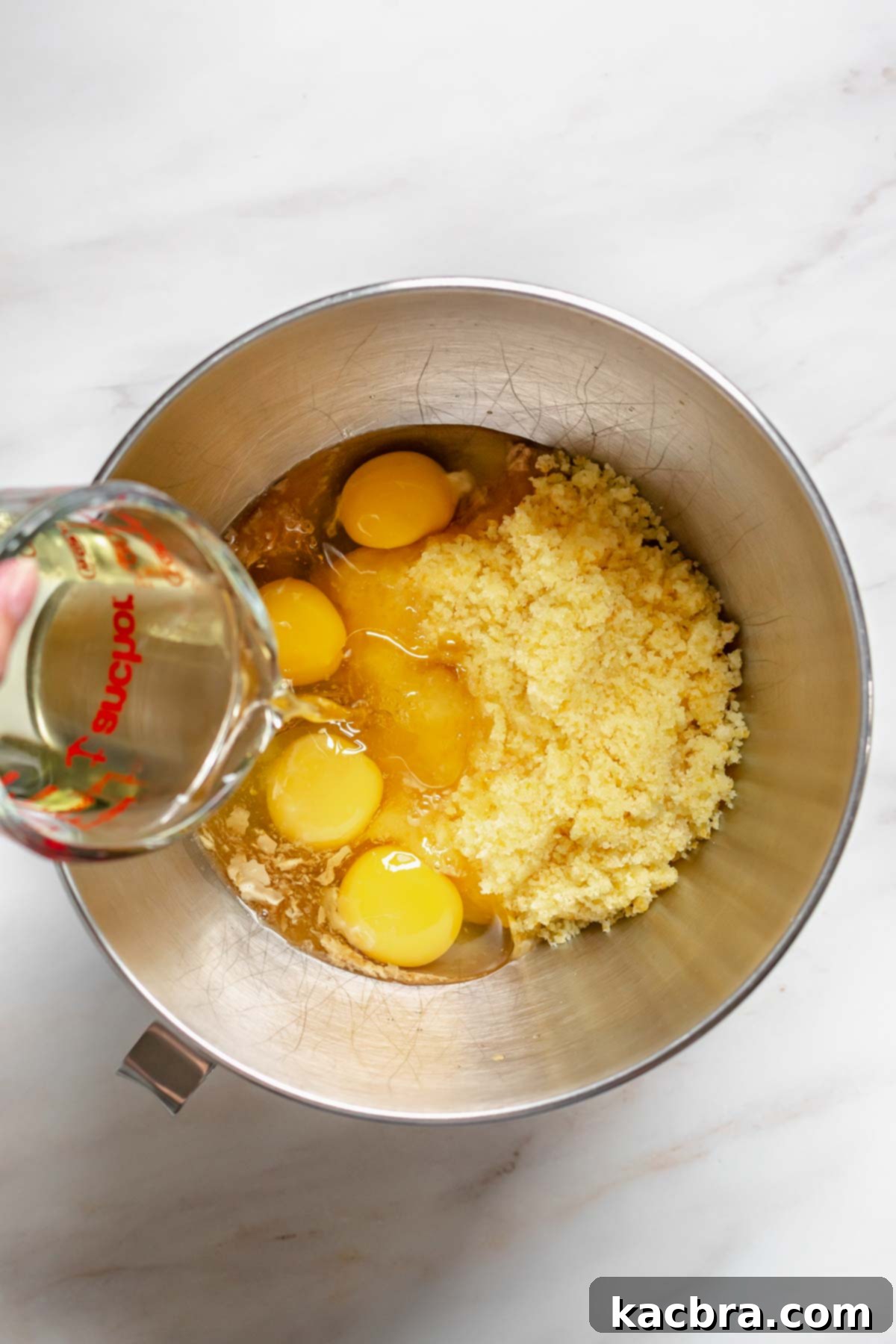
STEP 3: Incorporate Sour Cream and Dry Mix. With your mixer set to low speed, begin adding the dry ingredients and sour cream in an alternating pattern. First, add about half of the dry flour mixture and mix until just combined. Next, add all of the full-fat sour cream and mix again until incorporated. Finish by adding the remaining dry ingredients, mixing only until the batter just comes together. Be careful not to overmix, as this can lead to a tough cake.
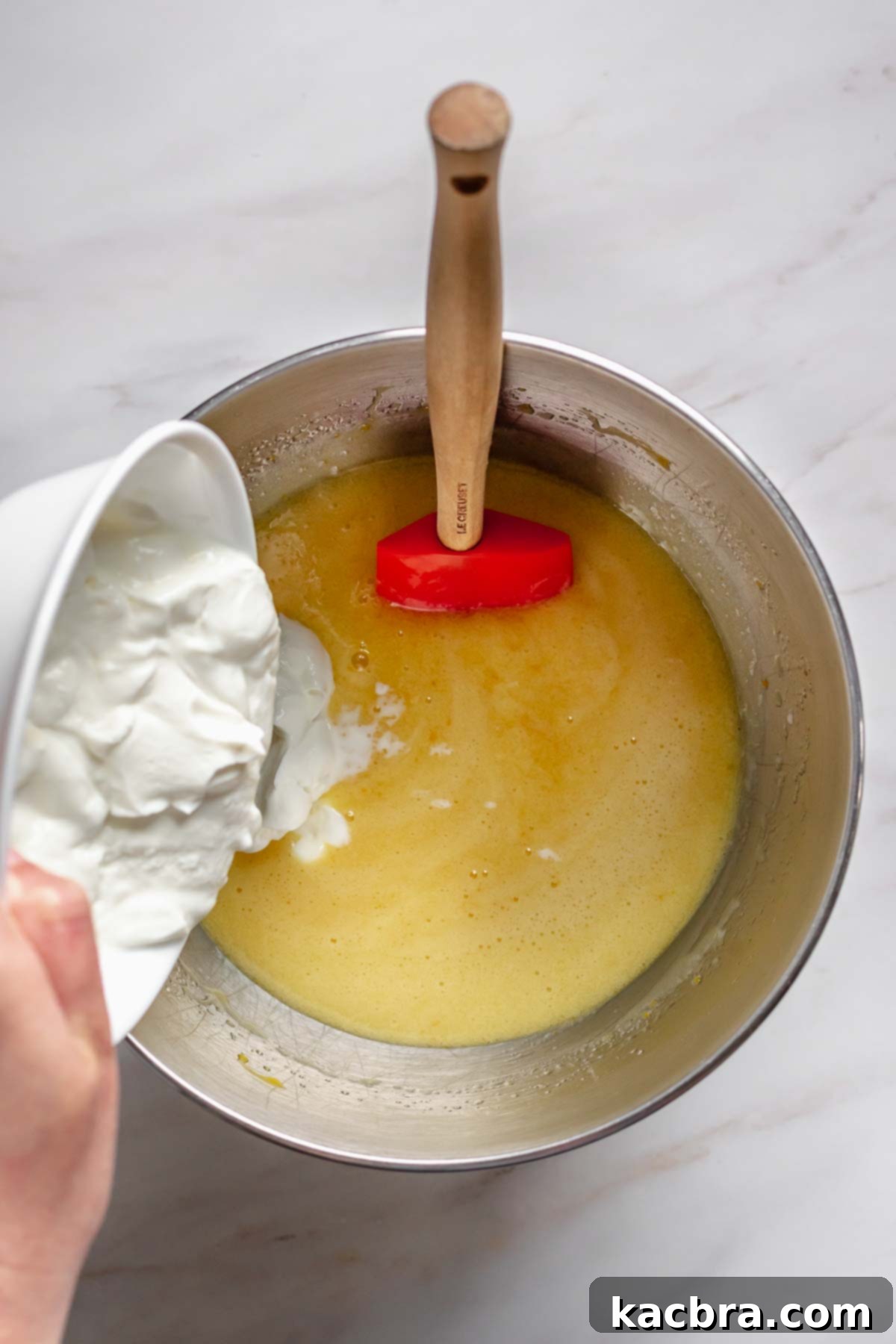

STEP 4: Fold in Poppy Seeds and Orange Juice. For the final additions to your cake batter, gently fold in the fresh poppy seeds and the remaining orange juice. Mix just until they are evenly incorporated into the batter. Again, avoid overmixing to maintain that desirable light and airy texture. The batter should be smooth and fragrant.


STEP 5: Bake and Prepare the Orange Syrup. Carefully pour the finished cake batter into your thoroughly greased and floured Bundt pan or loaf pan. Bake according to recipe instructions until a toothpick inserted into the center comes out clean or with a few moist crumbs. While the cake is baking, prepare the simple orange syrup: combine orange juice and granulated sugar in a small saucepan over medium heat, stirring until the sugar is completely dissolved. Remove from heat and allow to cool slightly.
STEP 6: Syrup Infusion. Once the cake is out of the oven, let it cool in the pan for about 15 minutes. This allows the cake to firm up slightly before unmolding. Gently invert the Bundt cake onto a serving platter or wire rack (if baking a loaf, simply keep it in the pan). While the cake is still warm, generously brush the prepared orange syrup all over its surface. The warm cake will readily absorb the syrup, enhancing its moisture and citrus flavor. Allow the cake to cool completely before proceeding.


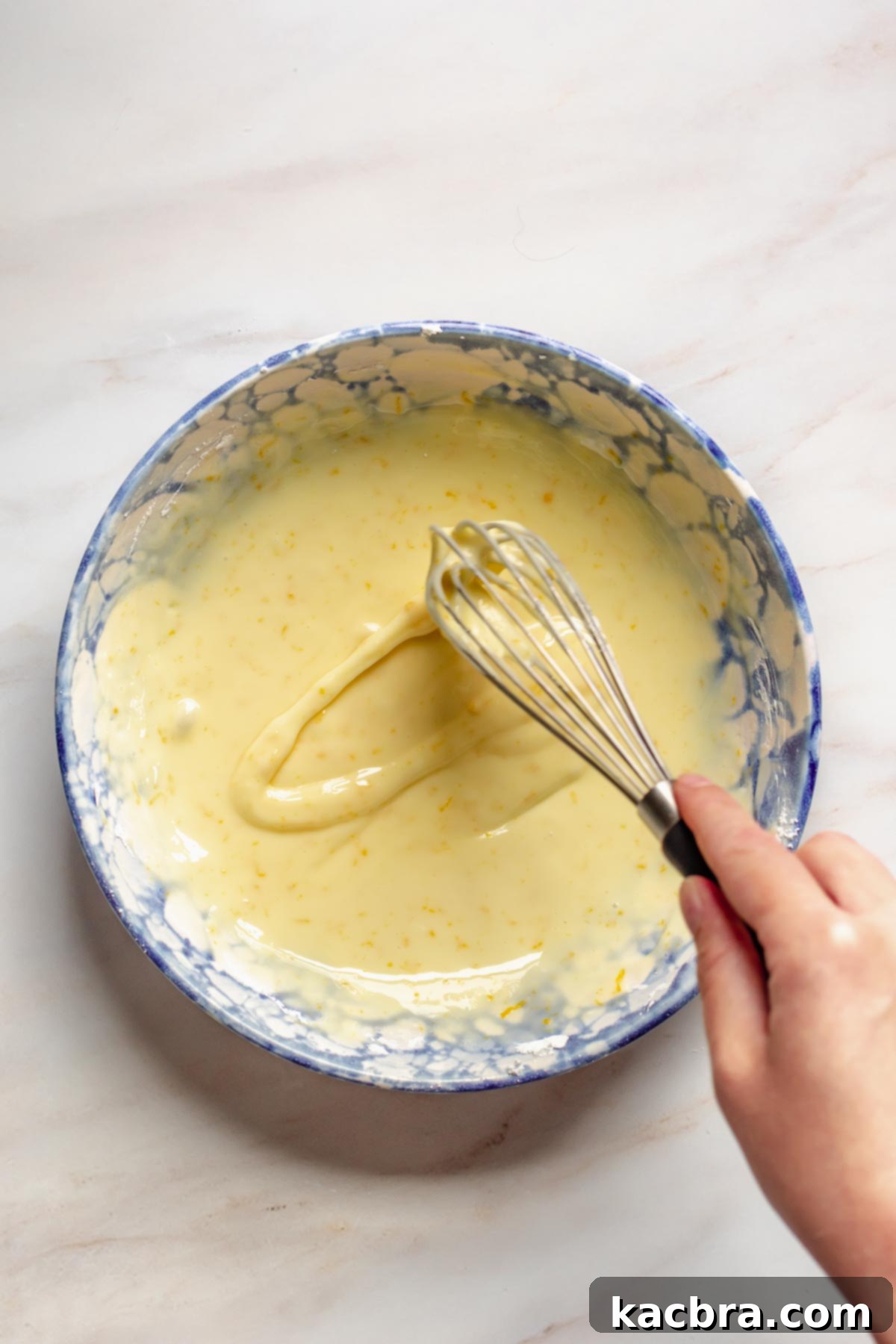
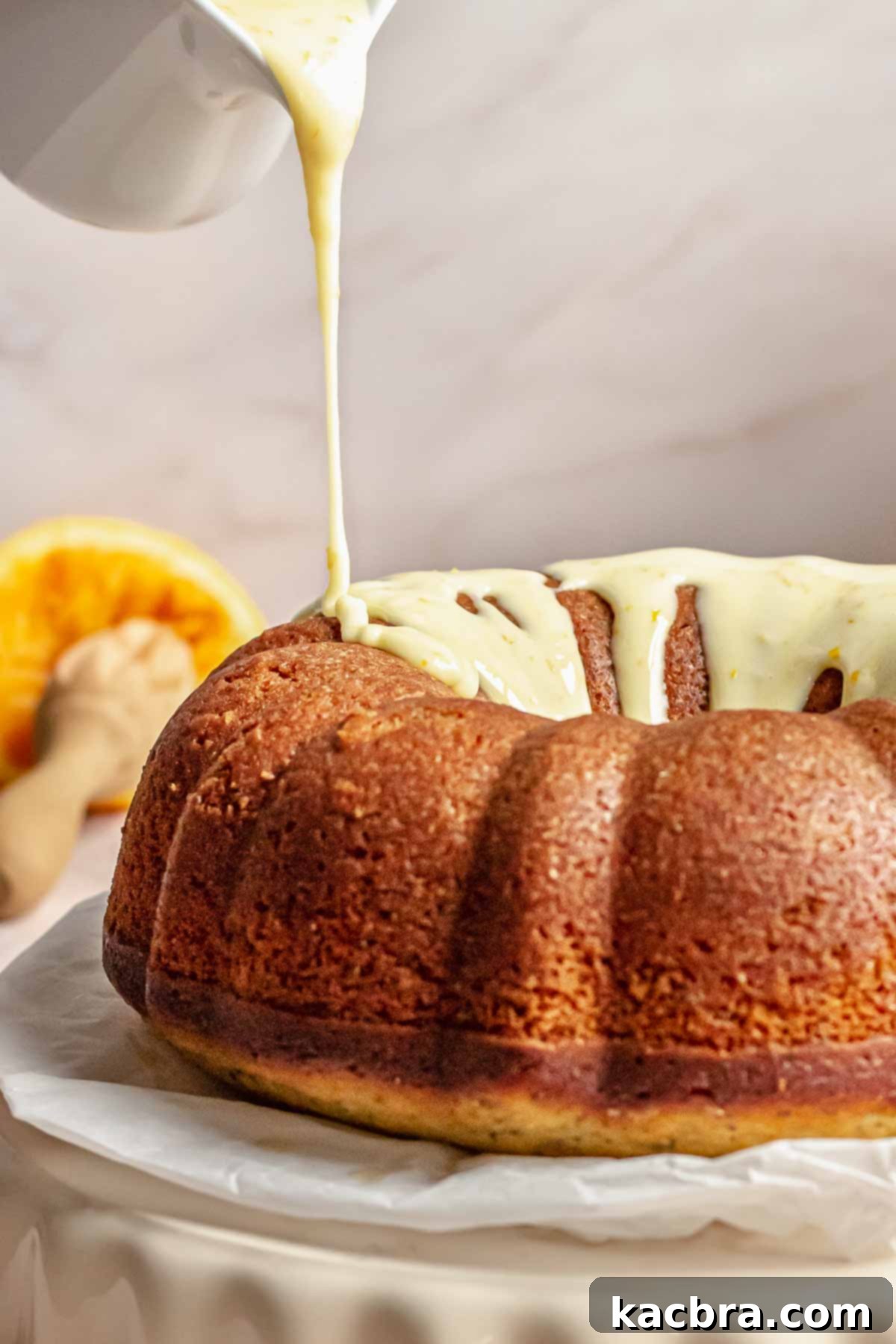
STEP 7: Glaze and Serve. Once the cake has cooled completely (this is important for the glaze to set properly), prepare the vibrant orange glaze. In a small bowl, whisk together the powdered sugar, fresh orange zest, and a few tablespoons of orange juice until a smooth, pourable consistency is achieved. If the glaze is too thick, add a tiny bit more juice; if too thin, add a little more powdered sugar. Drizzle or pour the luscious glaze generously over the top of your cooled cake, letting it cascade down the sides. For an extra pop of color and flavor, sprinkle with additional orange zest. Slice, serve, and enjoy this masterpiece!
Storing and Freezing for Freshness
To keep your Orange Poppy Seed Cake fresh and delicious, proper storage is key. For best results, store the cake covered tightly at room temperature for up to three days. An airtight cake dome or a large container will prevent it from drying out.
This cake is also an excellent candidate for freezing, allowing you to enjoy a slice whenever a craving strikes! To freeze, ensure the cake is completely cooled. You can freeze the entire cake or individual slices. Wrap the cake or slices tightly first in plastic wrap, then in aluminum foil, ensuring no air can get in. Place the wrapped cake in a freezer-safe bag or container to protect it further from freezer burn. When you’re ready to enjoy, simply unwrap the frozen cake or slice completely and thaw it at room temperature for several hours. If you plan to freeze the cake, it’s best to wait until it’s thawed and you’re ready to eat it before adding the glaze, as the glaze can sometimes become watery or develop an undesirable texture after freezing and thawing.
Delicious Variations to Try
This Orange Poppy Seed Cake is wonderfully versatile, offering many opportunities to customize and experiment with flavors and presentations. Here are some fantastic variations to inspire your next bake:
- Loaf Cake Transformation: If you prefer a simpler, more rustic presentation or don’t have a Bundt pan, this recipe adapts beautifully into a loaf cake. Simply adjust the baking time as instructed in the recipe card. A loaf cake is also easier to slice for breakfast or afternoon tea.
- Sour Cream Alternatives: While full-fat sour cream provides exceptional moisture and tang, you can successfully use other full-fat dairy products interchangeably. Greek yogurt (full-fat) will offer a similar creamy texture and tang, while buttermilk will result in a slightly lighter, very tender crumb due to its higher acidity.
- Embrace Blood Oranges: For a stunning visual and a subtly different flavor profile, try using blood oranges! Their beautiful ruby-red hue will add a spectacular color to both the cake batter and, especially, a dramatically tinted glaze, making for a truly unique dessert.
- Chocolate Orange Dream: Transform this citrus delight into a decadent chocolate orange cake by covering it in a rich chocolate ganache. For an excellent ganache recipe, refer to my vanilla Swiss roll with chocolate ganache recipe. The bitter notes of dark chocolate perfectly complement the sweet and zesty orange.
- Lemon-Orange Fusion: For those who love a sharper, more pronounced citrus punch, try using a blend of half lemon and half orange in the recipe. This will create a brighter, more complex flavor profile with the invigorating zest of lemon balancing the sweetness of the orange.
Top Tips for a Flawless Orange Poppy Seed Cake
Achieving baking success often comes down to a few key techniques. Keep these best tips in mind to ensure your Orange Poppy Seed Cake turns out perfectly every time:
- Room Temperature Ingredients are a Must: Always use room temperature ingredients, especially for eggs and sour cream. This helps them emulsify better with the other components, resulting in an ultra-smooth, uniform batter. A well-emulsified batter bakes more evenly and creates a tender, consistent crumb.
- Maximize Orange Flavor with a Food Processor: The initial step of blending sugar with orange peels is crucial for extracting maximum citrus flavor. If you have a food processor or blender, use it for this step. It finely pulverizes the zest, releasing its essential oils directly into the sugar. If you don’t have these tools, simply zest the oranges finely and then use your fingertips to vigorously rub the zest into the granulated sugar until the sugar turns aromatic and slightly orange in color. This manual method works surprisingly well!
- Alternate Dry and Wet Additions: When incorporating the flour mixture and sour cream into the wet ingredients, remember to alternate. Start with half of the dry ingredients, then add all the sour cream, and finally, the remaining dry ingredients. This method helps prevent overmixing the flour, which can lead to a dense, tough cake, and allows the ingredients to combine smoothly. Always end with the dry ingredients.
- Avoid Drastic Temperature Changes After Baking: Once your beautiful Bundt or loaf cake comes out of the oven, be mindful of where it cools. Placing a warm cake in an overly cold or drafty area can cause it to “fall” or collapse due to a sudden temperature shock. Allow it to cool gradually on a wire rack in a stable, room-temperature environment.
- Don’t Overmix the Batter: After adding the flour, mix only until the ingredients are just combined. Overmixing develops too much gluten in the flour, which can make the cake tough and chewy instead of soft and tender.
- Prepare Your Pan Properly: A well-greased and floured Bundt pan is essential to prevent sticking. Don’t skip this step! Ensure every nook and cranny is coated. For loaf pans, a parchment paper sling can make removal even easier.
More Easy Cake Recipes You’ll Love
- Vanilla Swiss Roll Cake
- Coconut Almond Loaf Cake
- Pear Spice Cake with Brown Butter Frosting
- Chocolate Snack Cake (with Salted Caramel Frosting)
- Lemon Ricotta Cake with Blueberry Glaze
- Raspberry White Chocolate Bundt Cake
Did you make this delightful recipe? We’d love to see your creations! Tag me on Instagram or Facebook and don’t forget to leave a star rating⭐️ below! For more culinary inspiration and baking ideas, follow me on Pinterest.
📖Recipe

Orange Poppy Seed Bundt Cake
Callan Wenner
Pin Recipe
Equipment
- Standard Bundt Pan or 9 x 5 inch loaf pan
- Food processor or blender
- Stand mixer with paddle attachment, or handheld mixer
- Microplane or zester
- Pastry or basting brush
Equipment
- Standard Bundt Pan or 9 x 5 inch loaf pan
- Food processor or blender
- Stand mixer with paddle attachment, or handheld mixer
- Microplane or zester
- Pastry or basting brush
Ingredients
Cake
- 3 cups all-purpose flour 360g
- 3 teaspoons baking powder
- ½ teaspoon salt
- ¼ cup orange zest About 1.5 full oranges
- 1¾ cups granulated sugar 350g
- 4 large eggs room temperature
- ⅔ cups vegetable oil 160g
- 2 teaspoons vanilla paste or extract
- 1⅓ cups full-fat sour cream 300g
- ⅔ cup orange juice freshly squeezed (160g)
- ¼ cup poppy seeds 36g
Orange Syrup
- ¼ cup orange juice freshly squeezed (60ml)
- ¼ cup granulated sugar 50g
- ¼ cup water 60ml
Orange Glaze
- 2 cups powdered sugar 240g
- ¼ cup orange juice freshly squeezed (60ml)
- 1 tablespoon orange zest
Instructions
- Preheat your oven to 350℉ (180℃). Thoroughly grease and flour your Bundt pan or loaf pan, tapping out any excess flour to ensure a clean release.
- Using a vegetable peeler, carefully peel approximately 1½ large oranges, taking care to only remove the orange zest and avoid the bitter white pith. Add these orange peels to a food processor or blender along with the granulated sugar. Pulse until the peels are completely broken down and the sugar has turned a light orange color, becoming wonderfully fragrant.
- In a separate large bowl, whisk together the all-purpose flour, baking powder, and salt until they are well combined. Set this dry mixture aside.
- Transfer the fragrant orange sugar mixture to the bowl of a stand mixer fitted with a paddle attachment. Add the room-temperature eggs, vegetable oil, and vanilla extract. Beat on medium-low speed until all ingredients are thoroughly combined and the mixture is smooth.
- With the mixer on low speed, alternate adding the dry and wet ingredients. First, add about half of the flour mixture and mix until just combined. Next, add all of the full-fat sour cream and mix until incorporated. Finish by adding the remaining flour mixture, mixing only until the batter comes together. Do not overmix. Finally, gently fold in the orange juice and poppy seeds until they are just incorporated.
- Pour the prepared batter into your greased and floured pan. Bake for 40-50 minutes, or until the cake is set and a wooden toothpick inserted into the center comes out clean with just a few moist crumbs attached. Once baked, transfer the cake to a wire rack to cool in the pan for 15 minutes.
- While the cake is baking, prepare the simple orange syrup. In a small saucepan, combine the sugar, orange juice, and water. Heat over medium heat, stirring constantly, until the sugar is completely dissolved. Remove from heat and allow to cool slightly.
- If you are making a Bundt cake, carefully invert the cake onto a serving platter. While it’s still warm, generously brush the prepared orange simple syrup all over the entire surface (which was previously the bottom of the cake). If you are making a loaf cake, simply brush the syrup over the top of the cake while it is still in the pan.
- Allow the cake to cool completely on the wire rack. Once fully cooled, prepare the vibrant orange glaze by combining the powdered sugar, fresh orange zest, and orange juice in a bowl. Whisk until the glaze is smooth and has a pourable consistency. Drizzle or pour the glaze generously over the top of the cooled cake. For an extra touch of beauty and flavor, sprinkle with a bit more orange zest before serving. Enjoy!
Notes
This cake freezes exceptionally well. For freezing, ensure the cake or individual slices are wrapped very tightly first in plastic wrap, then in aluminum foil, and finally placed in a sealed freezer bag or airtight container. To enjoy, remove from the freezer, unwrap completely, and allow it to thaw to room temperature. It’s best to apply the glaze only after the cake has thawed and you are ready to serve it.
If you do not have a food processor or blender for combining the orange zest and sugar in the cake batter, simply microplane or finely zest the oranges and then use your fingertips to vigorously rub the zest into the granulated sugar. Continue rubbing until the sugar becomes fragrant and takes on an orange hue. This manual method effectively releases the citrus oils.
Special Instructions for Loaf Cake:
- For a loaf cake, it’s recommended to half the original recipe to fit a standard loaf pan.
- Line your loaf pan with a parchment paper sling, allowing excess paper to hang over the sides. This greatly facilitates easy removal of the baked cake from the pan.
- Bake the loaf cake for approximately 45-55 minutes, or until a toothpick inserted into the center comes out clean, indicating no wet batter remains.
- Add the orange syrup directly to the loaf cake while it is still in the pan. However, for the best presentation and glaze set, carefully remove the cake from the pan before drizzling it with the orange glaze.
The provided nutritional information is an estimate per serving. Accuracy is not guaranteed.