
Indulge in Homemade Bliss: The Ultimate Lemon Filled Donuts with Meringue
Step into a world of vibrant flavors and irresistible textures with these homemade lemon filled donuts. Crafted from a wonderfully fluffy brioche dough, these donuts are fried to golden perfection, offering a crispy exterior and an incredibly soft, airy interior. Each delightful bite reveals a generous center of thick, tangy lemon curd, perfectly balanced by a cloud of smooth vanilla meringue on top. This isn’t just a donut; it’s a culinary masterpiece that tastes like a slice of sunshine, reminiscent of a classic lemon meringue pie reimagined in a handheld treat!
Forget the long lines at your favorite donut shops like Krispy Kreme, Dunkin’ Donuts, or Tim Hortons. Our recipe empowers you to create bakery-quality lemon curd donuts right in your own kitchen. While we adore the classic lemon and meringue combination, this recipe is incredibly versatile, allowing you to customize both the luscious filling and the delectable topping to perfectly match your preferences. Get ready to impress your family and friends with a dessert that’s not only visually stunning but also bursting with fresh, bright flavors!

Explore More Delightful Brioche Creations
While these fried lemon donuts offer a truly classic and refreshing flavor experience, our enriched brioche dough is incredibly versatile and perfect for a variety of other sweet treats. If you’re eager to explore more delicious recipes using this rich and airy dough, be sure to try some of our other favorites:
- Bakery Style Apple Fritter Donuts
- Chocolate Espresso Babka
- Brioche Cinnamon Rolls
- Custard Donuts
- Pistachio Babka
Why You’ll Fall in Love with This Homemade Lemon Donut Recipe
Making donuts at home might seem daunting, but this recipe is designed to guide you through every step, culminating in an utterly rewarding baking experience. Here’s why these lemon filled brioche donuts will become your new favorite:
Perfectly Fried Texture That’s Simply Irresistible
There’s nothing quite like a freshly fried donut—crispy on the outside, yet unbelievably soft and pillowy on the inside. This recipe ensures that perfect texture, delivering a taste experience that far surpasses anything store-bought. Don’t let the thought of deep frying intimidate you! With the right tools and clear, concise instructions, the process is surprisingly easy and incredibly satisfying. You’ll be amazed at the golden-brown crust and the delicate interior that only fresh frying can achieve.
Vibrant, Homemade Lemon Curd Filling
The heart of these donuts is a bright, tangy lemon curd. Our recipe utilizes whole eggs to create a curd that is lusciously thick, intensely flavorful, and completely free of any “eggy” taste. It strikes the ideal balance of tartness and sweetness, providing a refreshing burst of citrus that cuts through the richness of the brioche dough. This homemade lemon curd is truly the perfect complement, elevating the entire donut experience from good to extraordinary.
Achieve Bakery-Quality Lemon Donuts in Your Own Kitchen
Imagine the aroma of warm, freshly fried donuts filling your home! There’s no need to trek to a fancy donut shop when you can create these exquisite lemon filled donuts right from scratch. Not only will your guests, friends, and family be incredibly impressed by your baking prowess, but they’ll also get to enjoy these treats at their absolute freshest – which, as any donut aficionado knows, is the best way to savor them. Making them yourself guarantees unparalleled freshness and flavor that pre-made donuts simply can’t match.
Essential Ingredients for Your Lemon Meringue Donuts
Crafting these sensational lemon filled donuts requires a few key ingredients, most of which you likely already have in your pantry. We’ve broken down the components to ensure clarity and success in your baking journey.
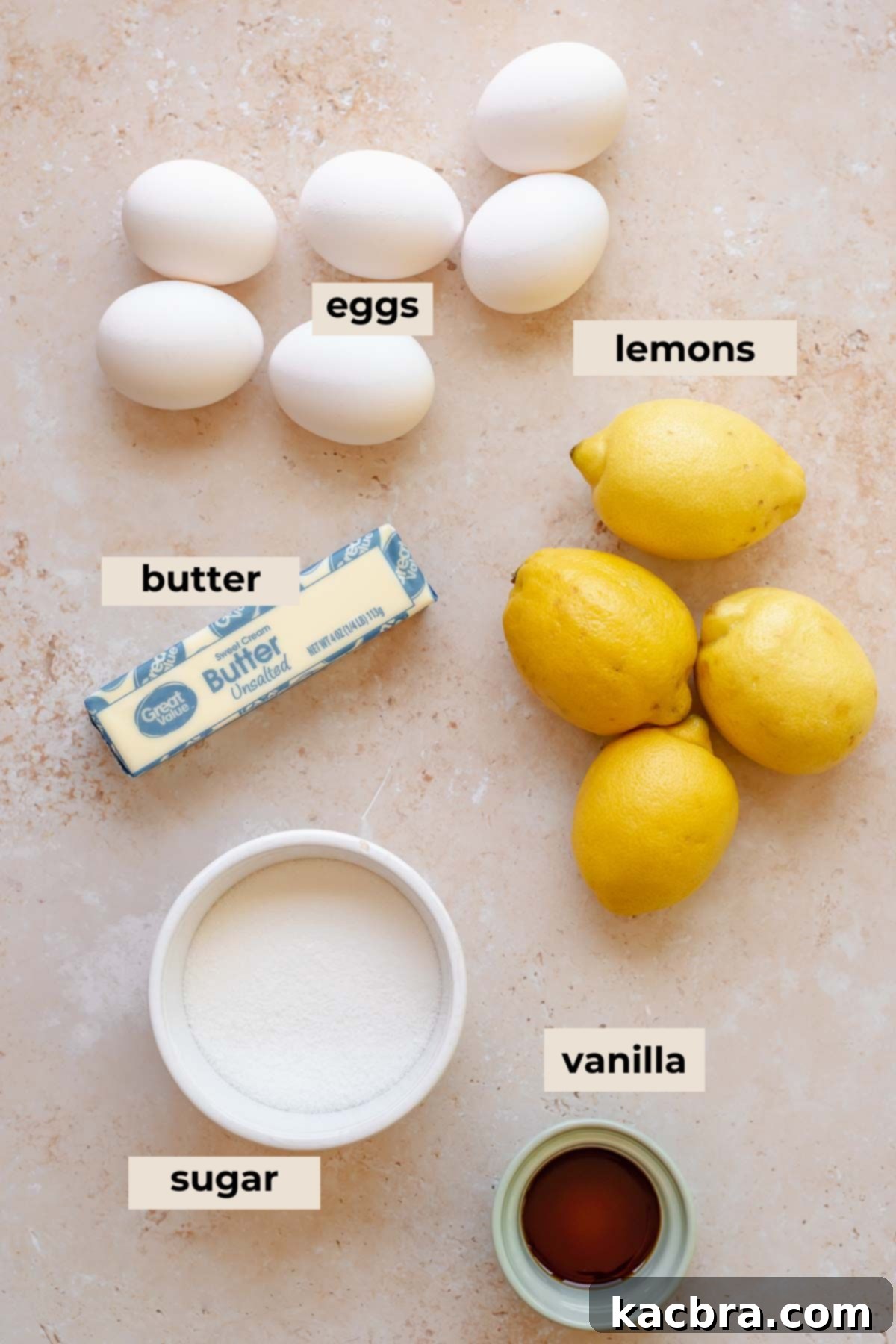
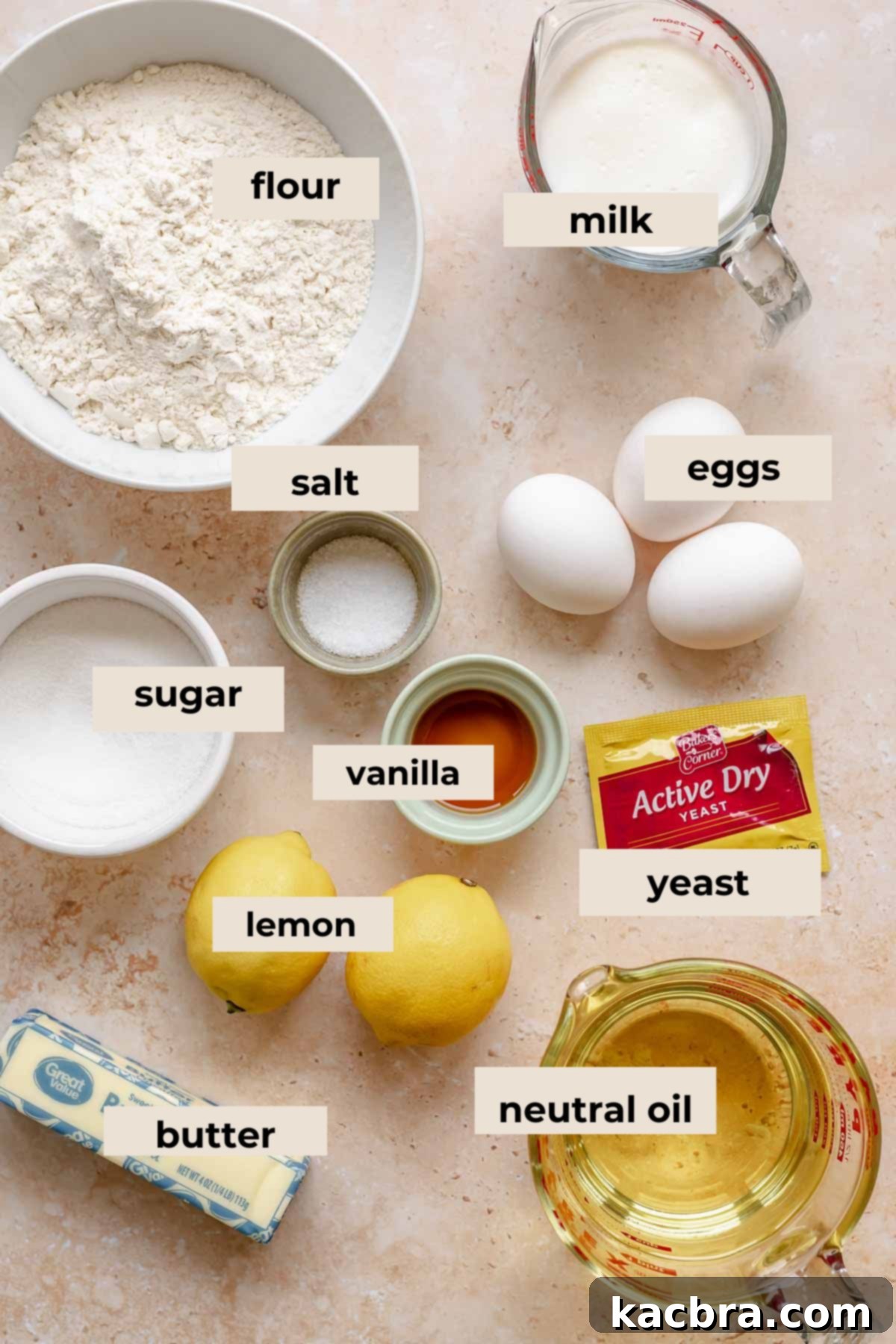
- Eggs: You’ll need six large eggs in total for this recipe. Three whole eggs are designated for creating the rich and velvety lemon curd. The remaining three will be separated: the yolks will provide richness and color to our brioche dough, while the whites are reserved to whip up the elegant vanilla meringue topping.
- Lemons: Fresh lemons are non-negotiable for this recipe! You’ll need both their bright, aromatic zest to infuse deep lemon flavor into the curd, and their tangy juice for that signature citrus kick. Always opt for fresh over bottled lemon juice for the best results.
- Sugar: Granulated sugar is a key player, sweetening all three components: the tart lemon curd, the soft brioche dough, and the fluffy Swiss meringue. It contributes to both flavor and structure.
- Butter: Unsalted butter is used in two forms. For the lemon curd, it should be at room temperature to ensure it incorporates smoothly, creating a silken texture. For the donut dough, melted butter adds moisture and tenderness, resulting in that classic brioche richness.
- Flour: All-purpose flour forms the structural base of our brioche donut dough. It provides the necessary gluten development for a chewy yet tender crumb.
- Yeast: Instant or rapid-rise yeast is essential for achieving the light, airy texture of our brioche donuts. Remember to always check the expiration date on your yeast packet to ensure it’s active and will properly leaven your dough.
- Milk: Whole milk is specified for the donut dough because its higher fat content contributes significantly to the richness, tenderness, and moistness of the brioche. Do not substitute with lower-fat milk, as it will impact the final texture and flavor.
- Oil: For frying the donuts, we recommend using a neutral-flavored oil with a high smoke point, such as canola or vegetable oil. These oils will ensure your donuts fry evenly to a beautiful golden brown without imparting any unwanted flavors.
For precise measurements and quantities, please refer to the comprehensive recipe card below.
Essential Tools for Crafting the Perfect Lemon Filled Donuts
To ensure a smooth and enjoyable baking process for these delicious lemon filled donuts, it’s incredibly helpful to have all your equipment organized and ready before you begin. This list covers every item you’ll need for each component, helping you achieve professional results with ease.
For the Zesty Lemon Curd
- Medium-sized saucepan: For gently cooking the lemon curd ingredients over the stove.
- Mixing bowl: To combine ingredients and cool the curd.
- Fine mesh sieve: Crucial for straining the curd, ensuring a perfectly smooth, velvety texture free of any zest bits or cooked egg particles.
- Microplane or grater: For efficiently zesting your fresh lemons, extracting maximum aromatic oils.
- Whisk: Essential for constant stirring while the curd cooks, preventing scorching and ensuring even thickening.
For the Fluffy Brioche Donuts
- Stand mixer with dough hook attachment: Indispensable for kneading the enriched brioche dough, which requires significant mixing for proper gluten development and an airy texture.
- Rolling pin: To evenly roll out your risen donut dough.
- 3-inch cookie cutter or biscuit cutter (or mason jar ring): For cutting perfectly uniform donut rounds. A standard mason jar ring can work in a pinch!
- Plastic wrap or dish towel: To cover the dough during rising, keeping it moist and creating a warm environment.
- Sheet pan or cooling rack: For holding cut donuts during their second rise and for cooling fried donuts.
- Parchment paper: Cut into individual squares, this helps prevent sticking when transferring the risen dough to the hot oil.
- Large heavy-bottomed pot: Such as a Dutch oven, ideal for deep frying due to its ability to maintain consistent oil temperature.
- Metal slotted spoon, spatula, or spider: For safely turning and removing hot donuts from the oil.
- Deep frying thermometer, candy thermometer, or infrared thermometer: Absolutely critical for monitoring and maintaining the precise oil temperature, ensuring evenly cooked, golden donuts without being greasy or raw inside.
- Paper towels: For draining excess oil from the freshly fried donuts.
- Chopstick or eating utensil: Used to carefully poke the initial hole in the fried donuts for filling.
- Piping bag: Essential for neatly inserting the lemon curd into the donuts. If you have one, a piping tip (like a Bismark or a simple round tip) makes insertion easier, though a zip-top bag with a snipped corner can also work effectively.
For the Silky Swiss Meringue
- Saucepan: For creating a double boiler setup to gently heat the egg whites and sugar.
- Glass or metal bowl: Must fit snugly over the saucepan, creating a double boiler without touching the simmering water.
- Whisk: To gently combine and heat the egg whites and sugar.
- Stand mixer with whisk attachment (or hand mixer): For whipping the egg white mixture into stiff, glossy Swiss meringue peaks.
- Kitchen torch: For beautifully toasting the meringue topping, adding a delicate smoky flavor and visual appeal.
Creative Substitutions and Delicious Variations
One of the joys of home baking is the freedom to customize. While our lemon filled donuts are truly exceptional as is, here are some ideas to adapt the recipe to your taste or simplify the process:
- Alternative Fillings: If you’re short on time or prefer a different flavor, feel free to use high-quality canned lemon filling or store-bought lemon curd. For a unique twist, you can also fill these delightful brioche donuts with your favorite lemon jam or preserves, offering a slightly different texture and sweetness profile.
- Customized Coatings: Instead of the elegant meringue topping, you can simply coat your freshly fried donuts in granulated sugar for a classic finish. For an even more intense lemon flavor, rub some fresh lemon zest into your granulated sugar before coating—the fragrant oils will perfume every bite. Alternatively, a dusting of powdered sugar offers a delicate sweetness.
- Donut Holes: For a bite-sized, poppable version perfect for sharing or parties, make smaller cutouts from your dough. These mini donut holes can be filled just like their larger counterparts, creating adorable and equally delicious treats.
- Explore Other Citrus Curds: The brioche dough is a fantastic canvas for various citrus flavors. If lemon isn’t your only passion, consider filling the donuts with a different homemade curd. Try this raspberry curd for a berry-infused sweetness, blueberry curd for a burst of fruity delight, orange curd for a sweeter, less tart citrus profile, or lime curd for a vibrant, zesty punch.
Step-by-Step Guide: How to Make Irresistible Lemon Filled Donuts
Creating these exquisite lemon filled donuts is a process that unfolds in stages, ensuring each component is perfected before assembly. For optimal results, you’ll need to prepare the vibrant lemon curd filling a day in advance. This allows it ample time to chill and thicken to the ideal consistency. Simply follow our detailed Lemon Curd with Whole Eggs recipe to make the citrus curd. Once your curd is ready and chilled, you can proceed with crafting the brioche donuts and the silky Swiss meringue on the day you plan to serve them.
Crafting the Fluffy Brioche Donut Dough
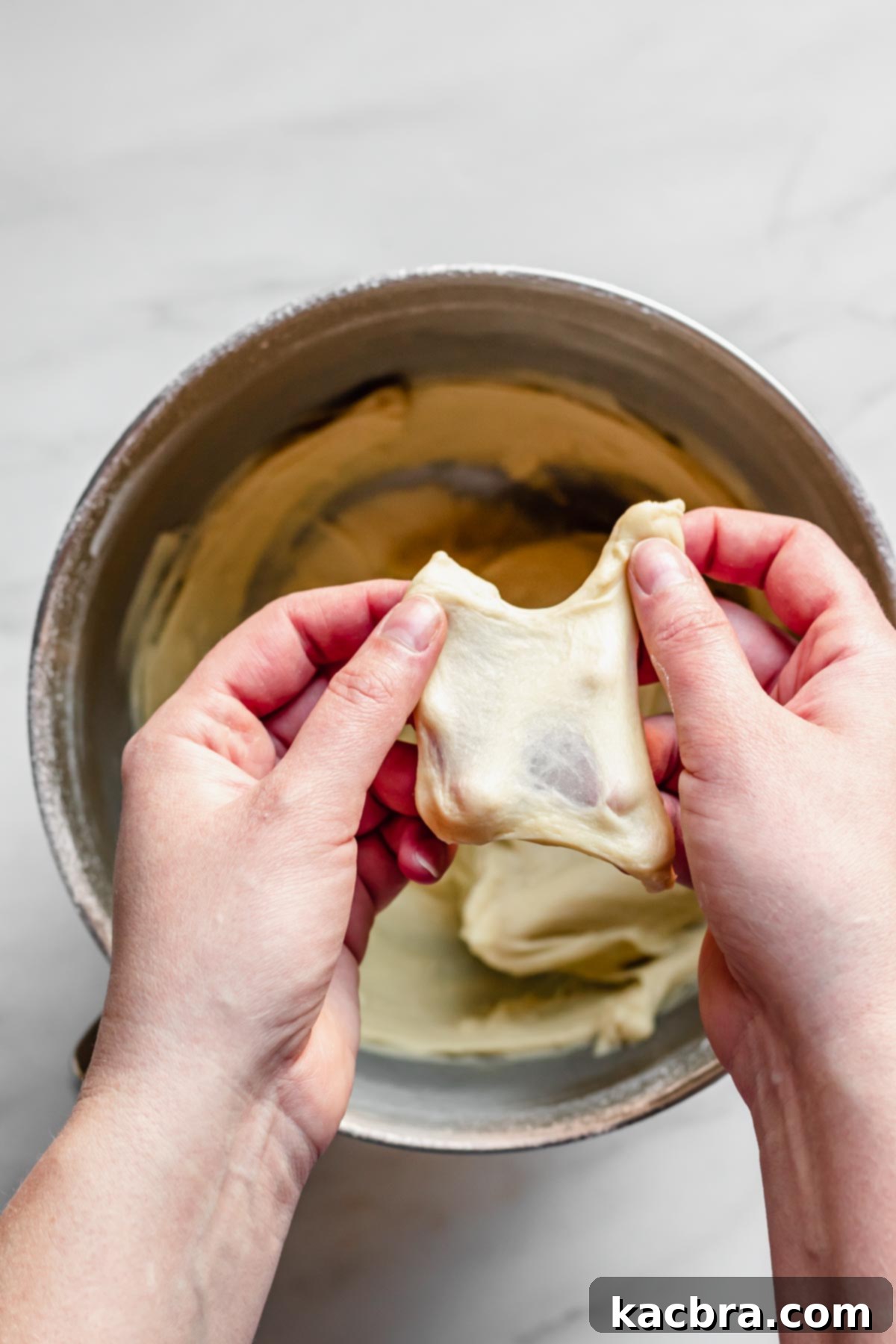
One: Knead the Dough to Perfection. In the bowl of a stand mixer fitted with a dough hook attachment, combine all the donut dough ingredients. Begin kneading on low speed until everything is just combined and shaggy, then increase the speed to medium-high. Continue kneading for 10-12 minutes. The dough should become incredibly soft, elastic, and pass the “window pane test” – meaning you can stretch a small piece thin enough to see light through it without it tearing. If it’s still too sticky, add flour one tablespoon at a time.
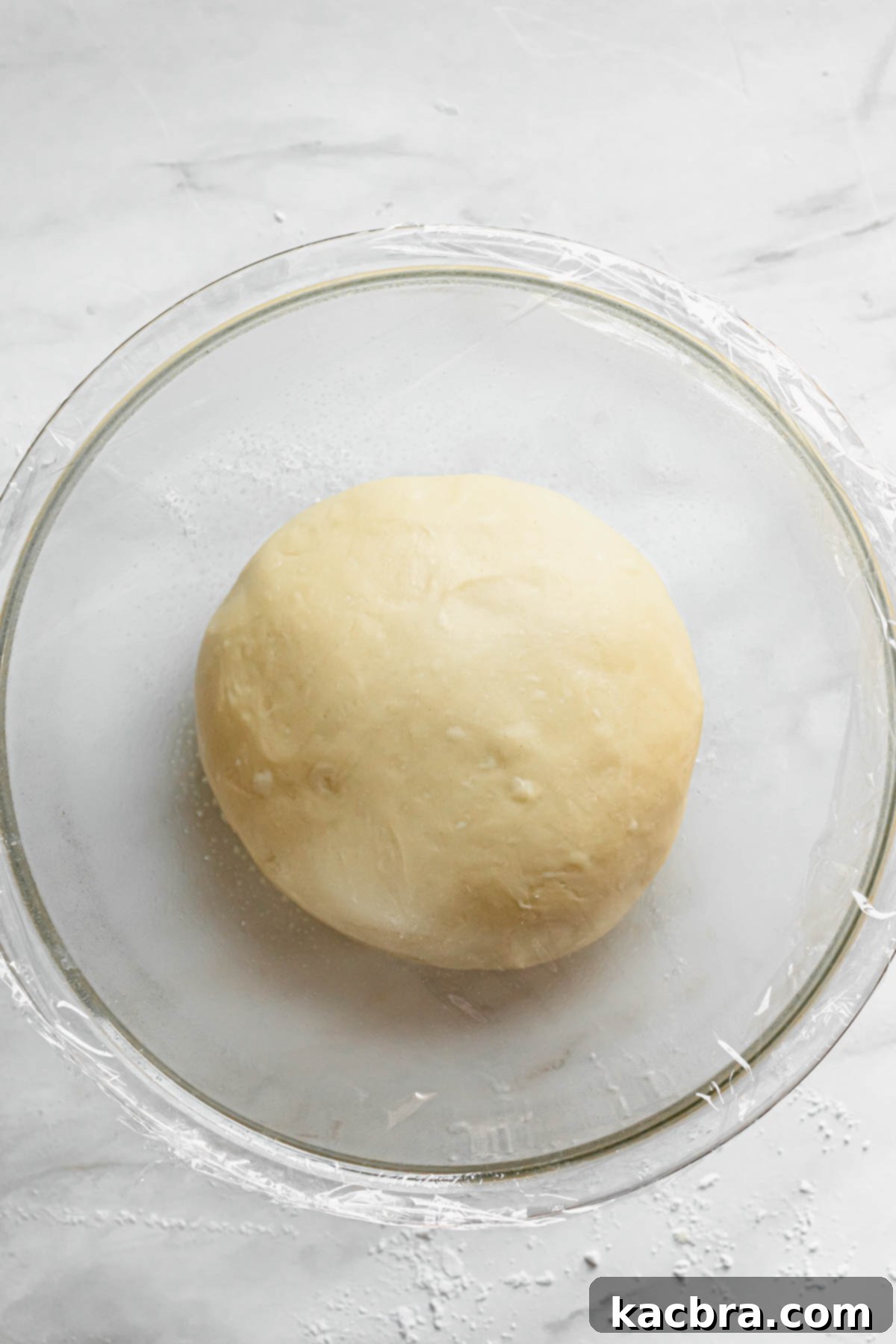
Two: First Rise. Once kneaded, form the dough into a ball and lightly grease a large bowl with a neutral oil or cooking spray. Place the dough ball in the greased bowl, turning it once to coat, then cover it tightly with plastic wrap or a clean dish towel. Transfer the bowl to a slightly warm, draft-free place (like a turned-off oven with the light on) and allow the dough to rise for about 1 to 1.5 hours, or until it has visibly doubled in size.
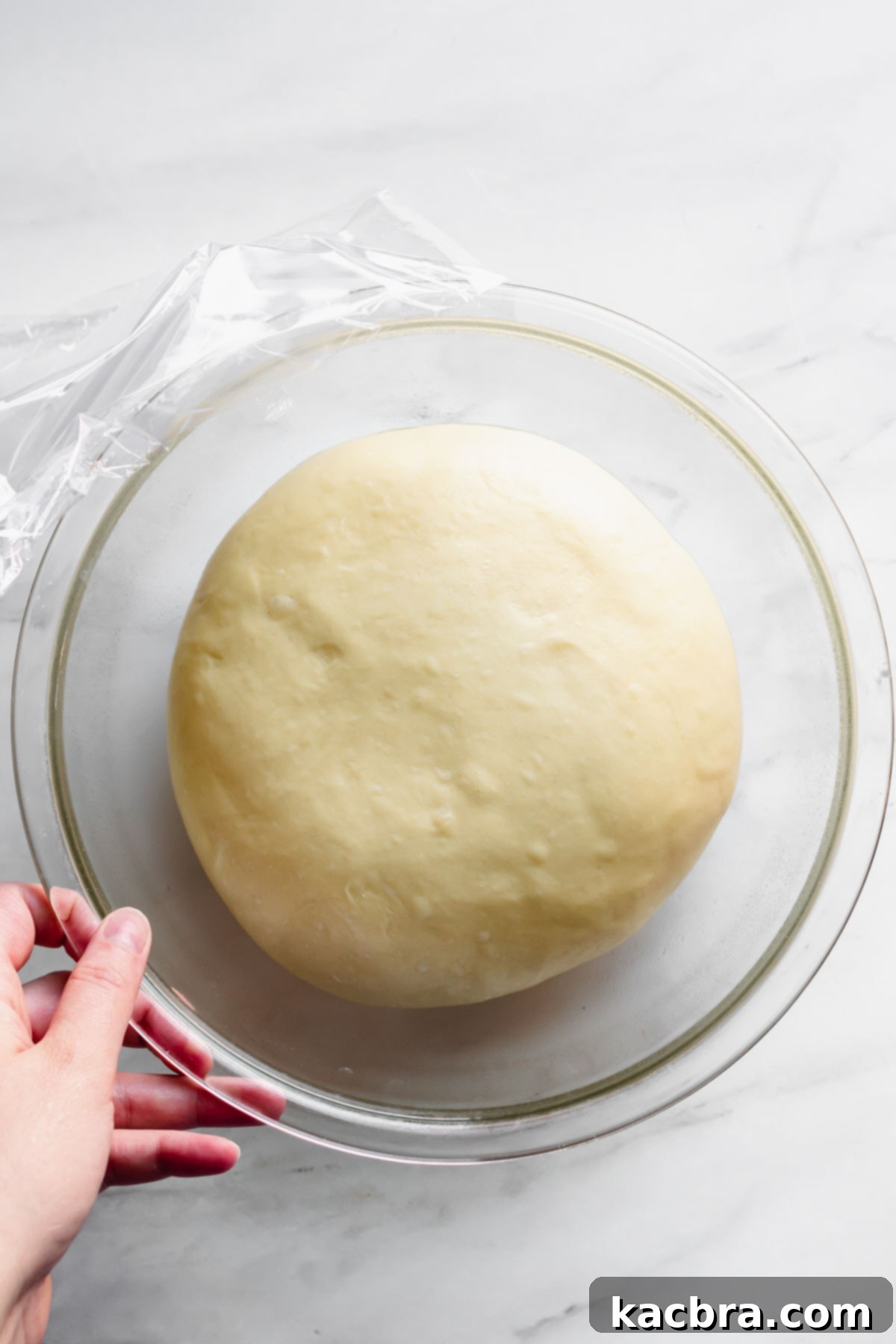
Three: Roll Out the Dough. After the first rise, gently punch down the dough to release the air. Turn it out onto a lightly floured work surface. Using a rolling pin, carefully roll the dough into an even sheet, approximately ½ inch thick. Try to maintain a consistent thickness across the entire surface to ensure uniform donuts.
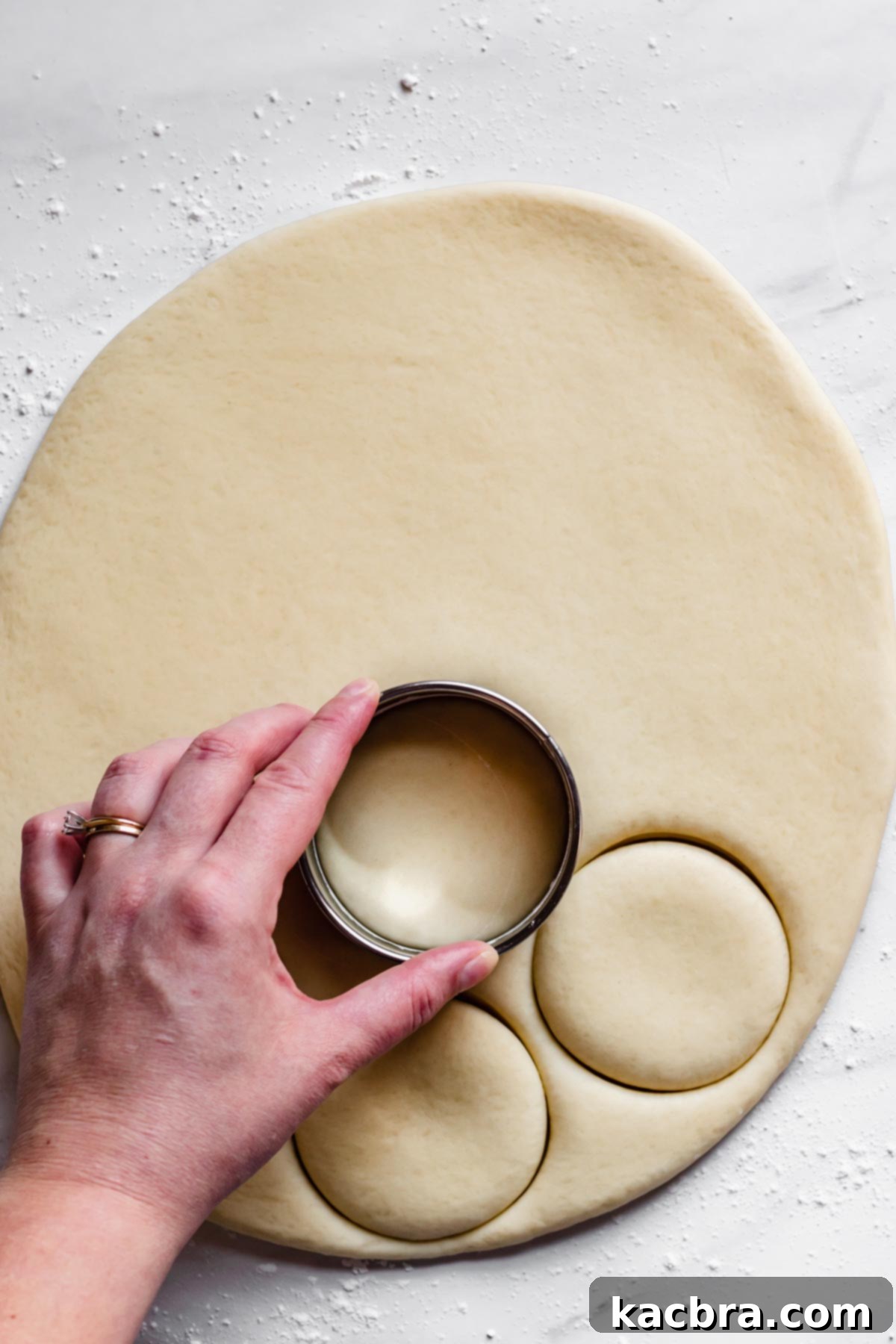
Four: Cut Out Donut Rounds. Using a 2.5 to 3-inch round cookie cutter (or a biscuit cutter, or even a clean mason jar ring), firmly press straight down into the rolled-out dough to cut out individual donut rounds. Avoid twisting the cutter, as this can seal the edges and inhibit a proper rise. Arrange the cutouts on prepared parchment paper squares (about 4×4 inches) on a baking sheet, leaving some space between them. Re-knead any scraps gently, re-roll, and cut out additional donuts until most of the dough is used. You should yield about 12 donuts.
Hot tip! Take a picture of your dough before its first rise! This way, you have visual evidence to compare against, helping you accurately determine when it has truly doubled in size and is ready for the next step. Visual cues are incredibly helpful for timing fermentation.
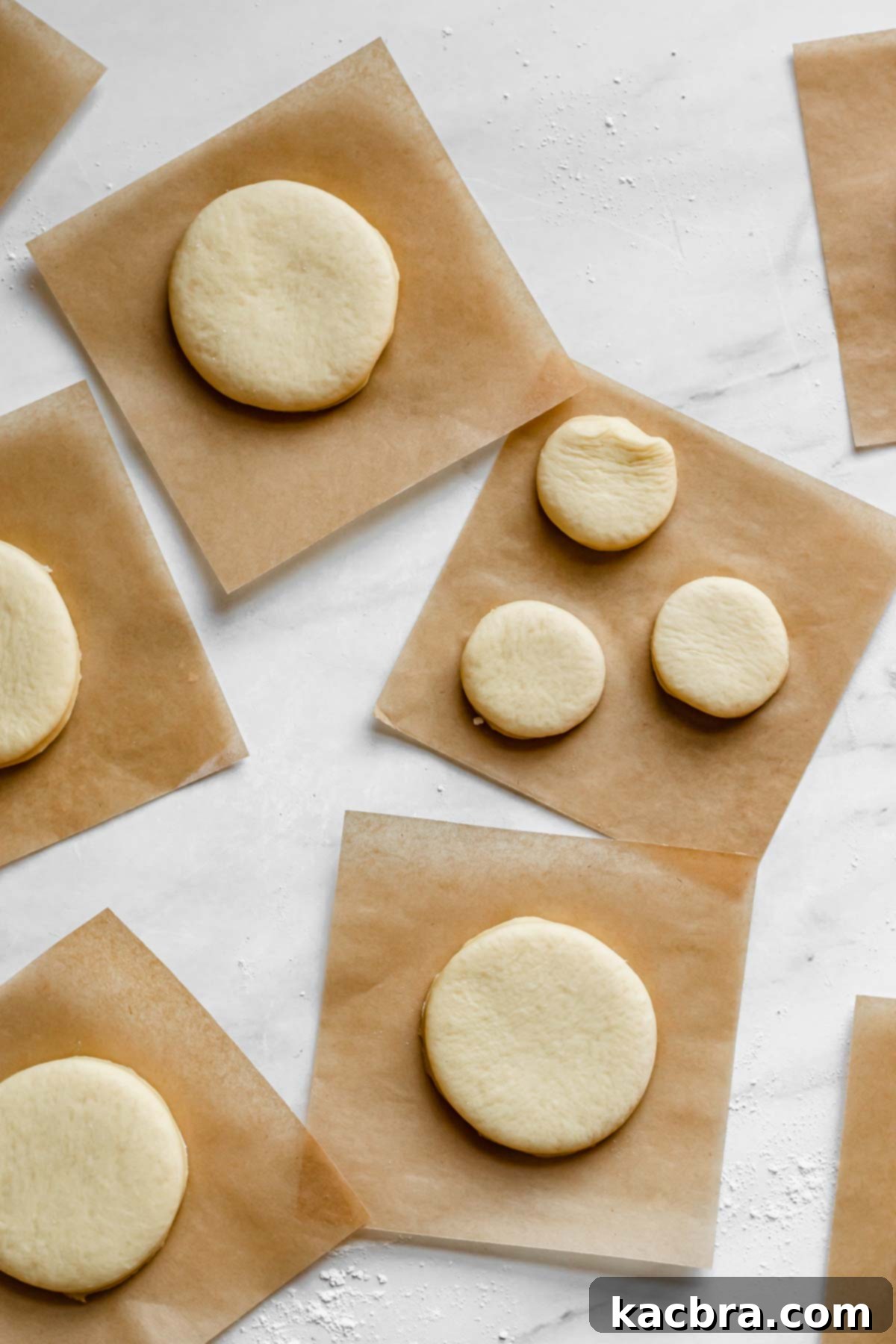
Five: Second Rise (Proofing). Lightly cover the donut rounds on the parchment paper with plastic wrap. Return them to a warm, draft-free place and allow them to rise again for approximately 30 minutes, or until they look noticeably puffy and lighter. This second rise, or proofing, is crucial for achieving that incredibly airy and tender texture after frying.
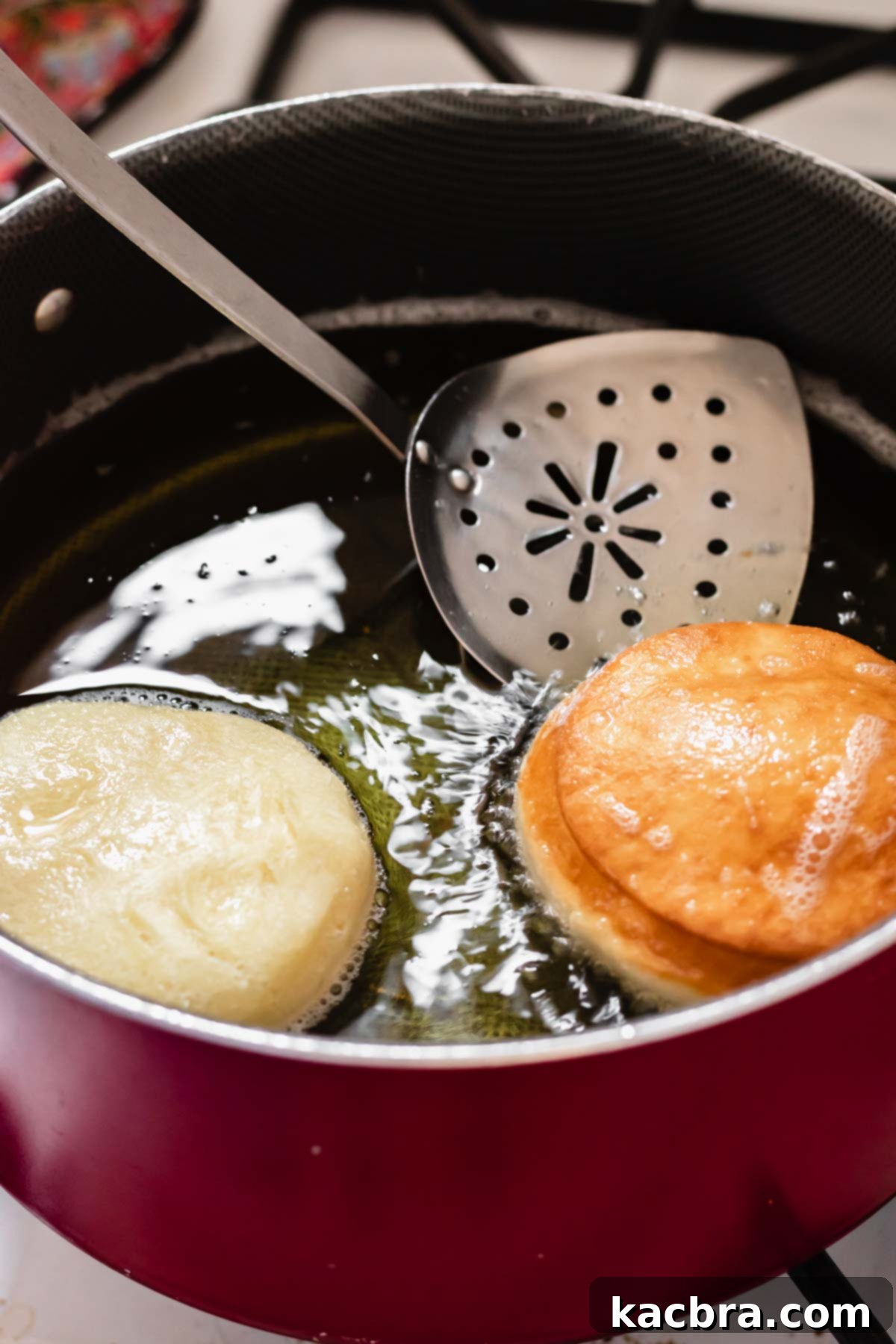
Six: Frying the Donuts. In a large, heavy-bottomed pot (like a Dutch oven), heat 3 inches of neutral oil (canola or vegetable) to a steady temperature of 350-360°F (175-182°C). Use a deep-fry thermometer to constantly monitor the temperature. Carefully transfer 2-3 donuts (still on their parchment squares) into the hot oil. After about 10-15 seconds, use tongs to remove the parchment paper. Fry for 1-2 minutes per side until beautifully golden brown. Adjust heat as needed to maintain temperature. Once fried, use a slotted spoon or spider to transfer them to a wire rack lined with paper towels to cool completely.
Creating the Silky Swiss Meringue
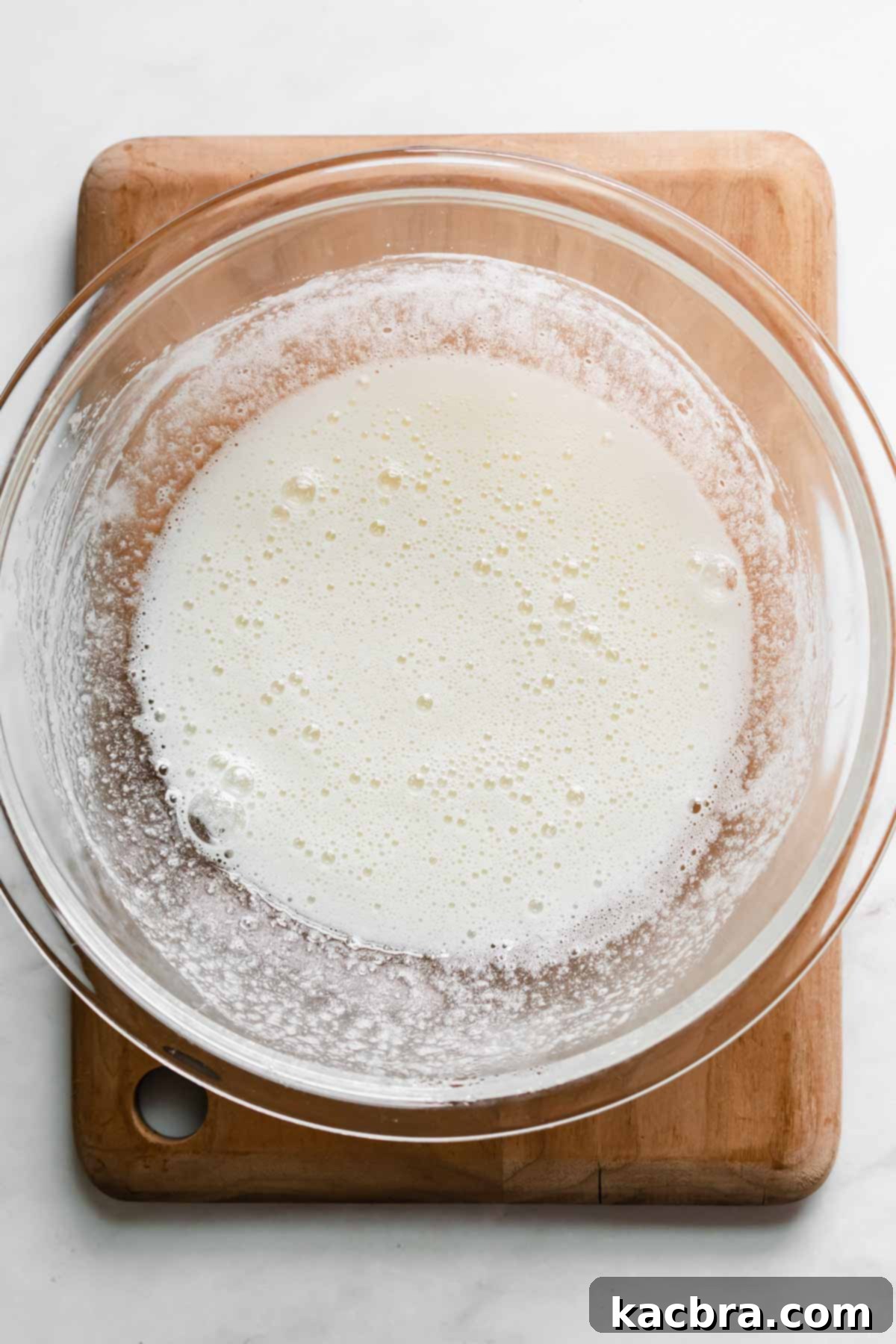
Seven: Prepare the Meringue Base. Fill a medium saucepan with about 1 inch of water and bring it to a simmer over medium-high heat. Place a heatproof bowl (glass or metal) securely over the simmering water, ensuring the bottom of the bowl does not touch the water. Add the reserved egg whites and granulated sugar to the bowl. Whisk continuously and gently until the mixture is warm to the touch and all the sugar granules have completely dissolved. You can test this by rubbing a small amount between your fingers; it should feel perfectly smooth. If you have a thermometer, aim for a temperature around 150°F (66°C).
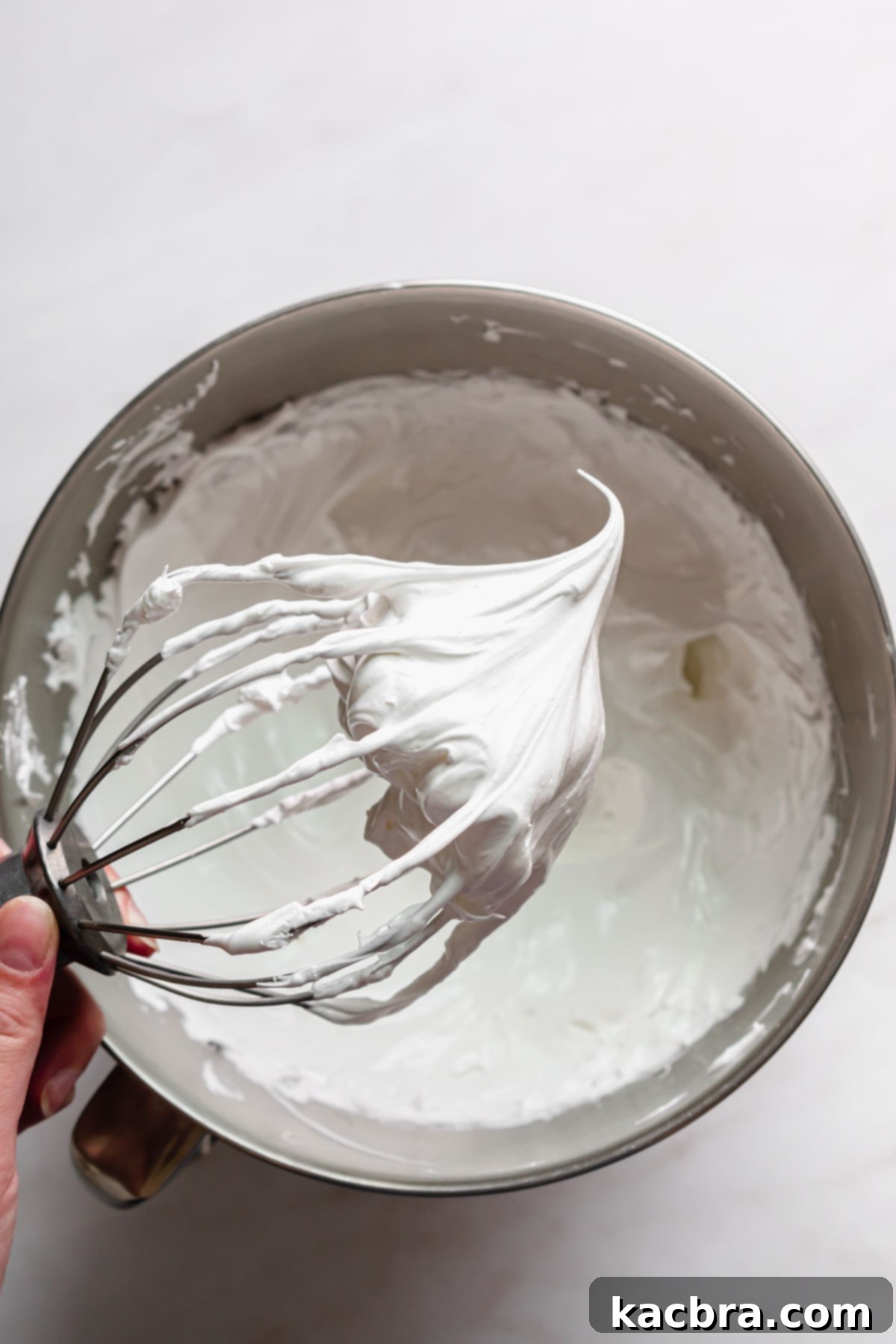
Eight: Whip to Stiff Peaks. Carefully remove the bowl from the saucepan and transfer the warm egg white mixture to the bowl of a stand mixer fitted with a whisk attachment (or use a high-powered hand mixer). Begin whipping on medium speed for about 1 minute, then increase to high speed. Continue whipping until very stiff, glossy peaks form. The meringue is ready when the bowl can be inverted without any movement, and the peaks hold their shape firmly on the whisk. Finally, add the vanilla paste or extract and mix briefly to incorporate.
Assembling and Filling Your Delicious Lemon Donuts
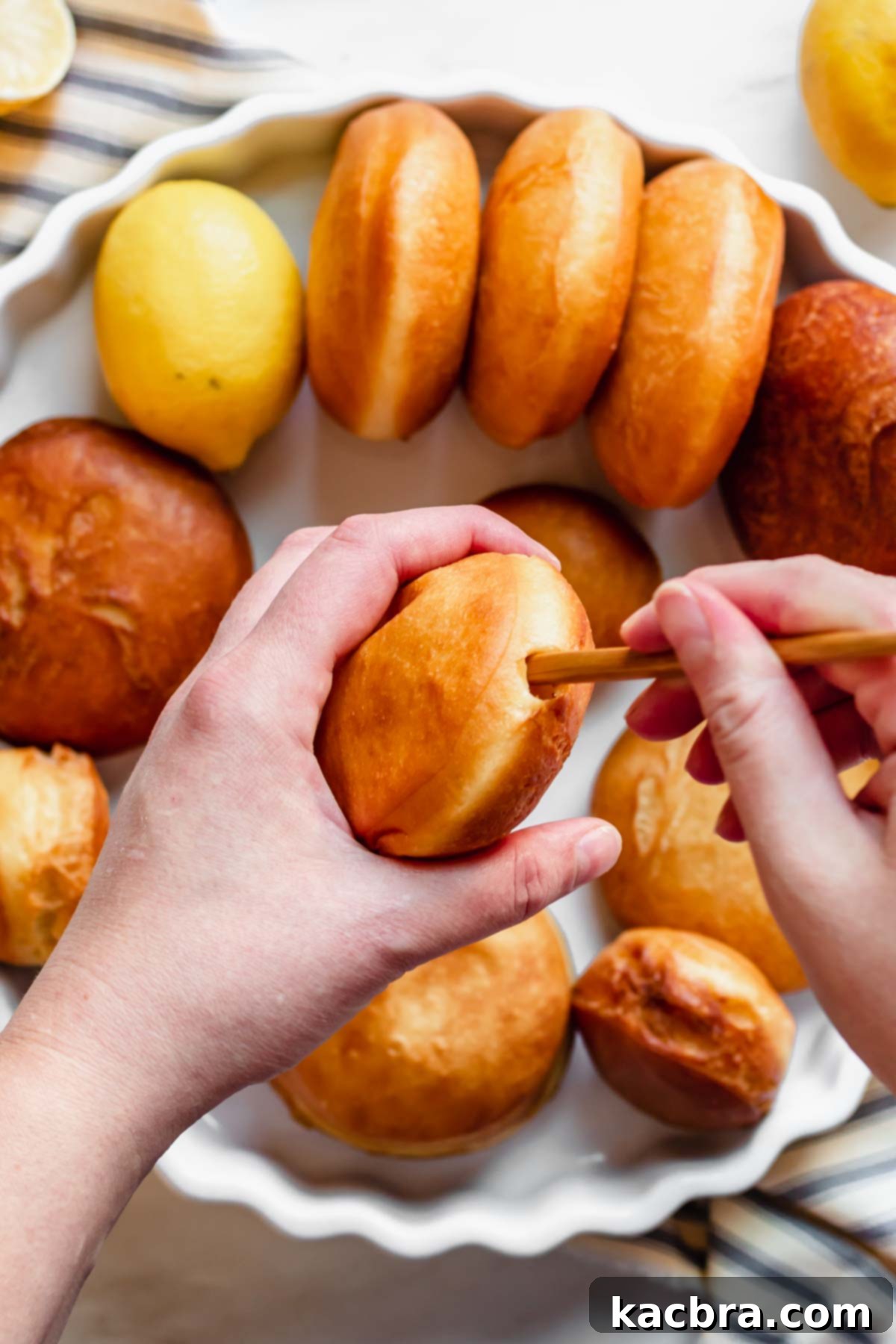
Nine: Prepare for Filling. Once the fried donuts are completely cool, retrieve your chilled lemon curd from the refrigerator. Transfer the thickened lemon curd to a piping bag (you can use a large round piping tip, or simply snip a small hole from the corner of the bag). Using a chopstick or a similar blunt, thin tool, carefully puncture a hole into the side of each donut. Insert the chopstick about two-thirds of the way into the donut, then gently move it in a circular motion to create a cavity for the filling. Be careful not to pierce through the opposite side or bottom.
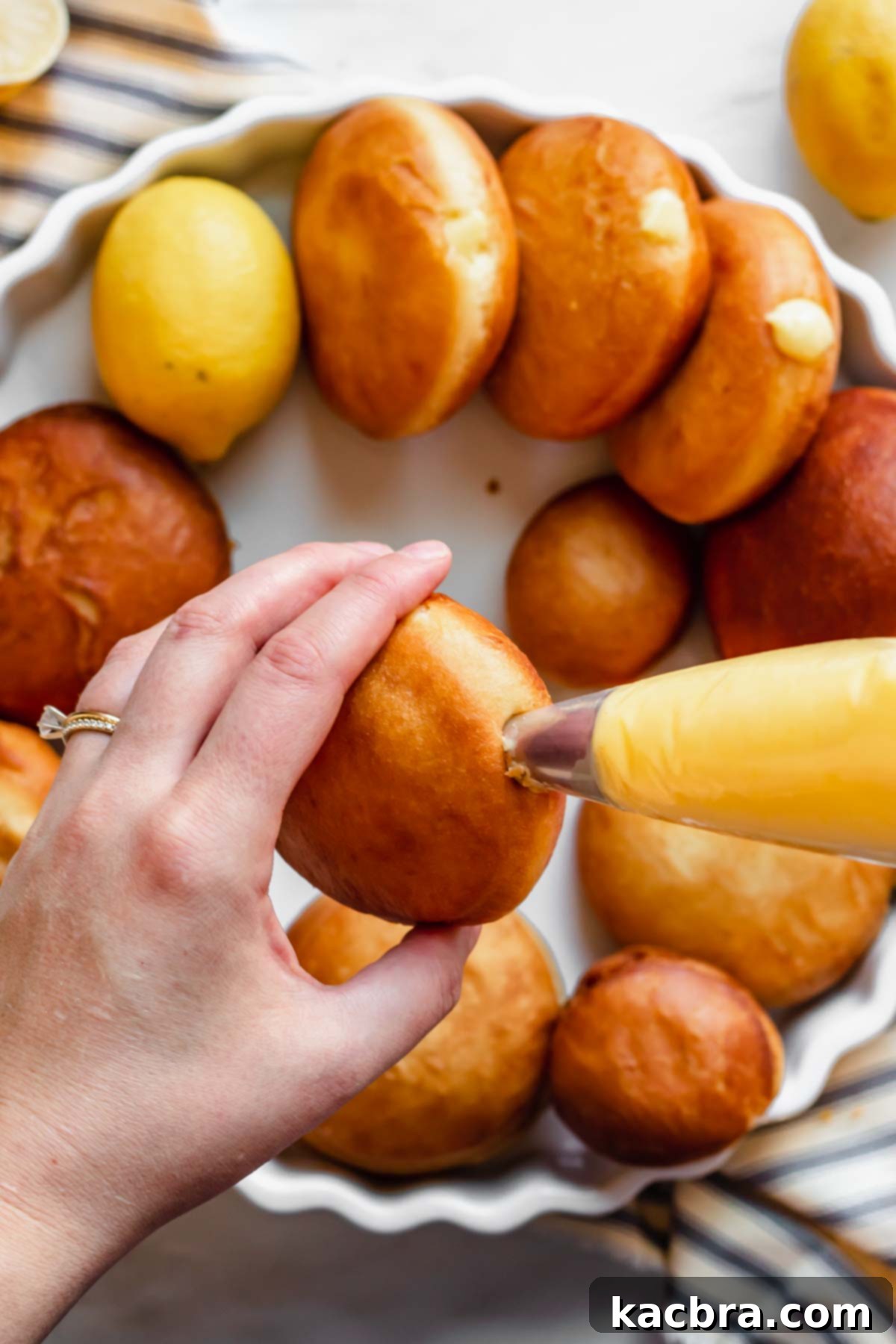
Ten: Fill with Lemon Curd. Insert the tip of the piping bag into the hole you created in the donut. Gently squeeze the bag, allowing the lemon curd to flow into the donut cavity. You will feel a slight pressure as the donut fills, and you’ll see the curd just start to peek out of the opening. This indicates a perfectly filled donut. Repeat this process for all your fried donuts.
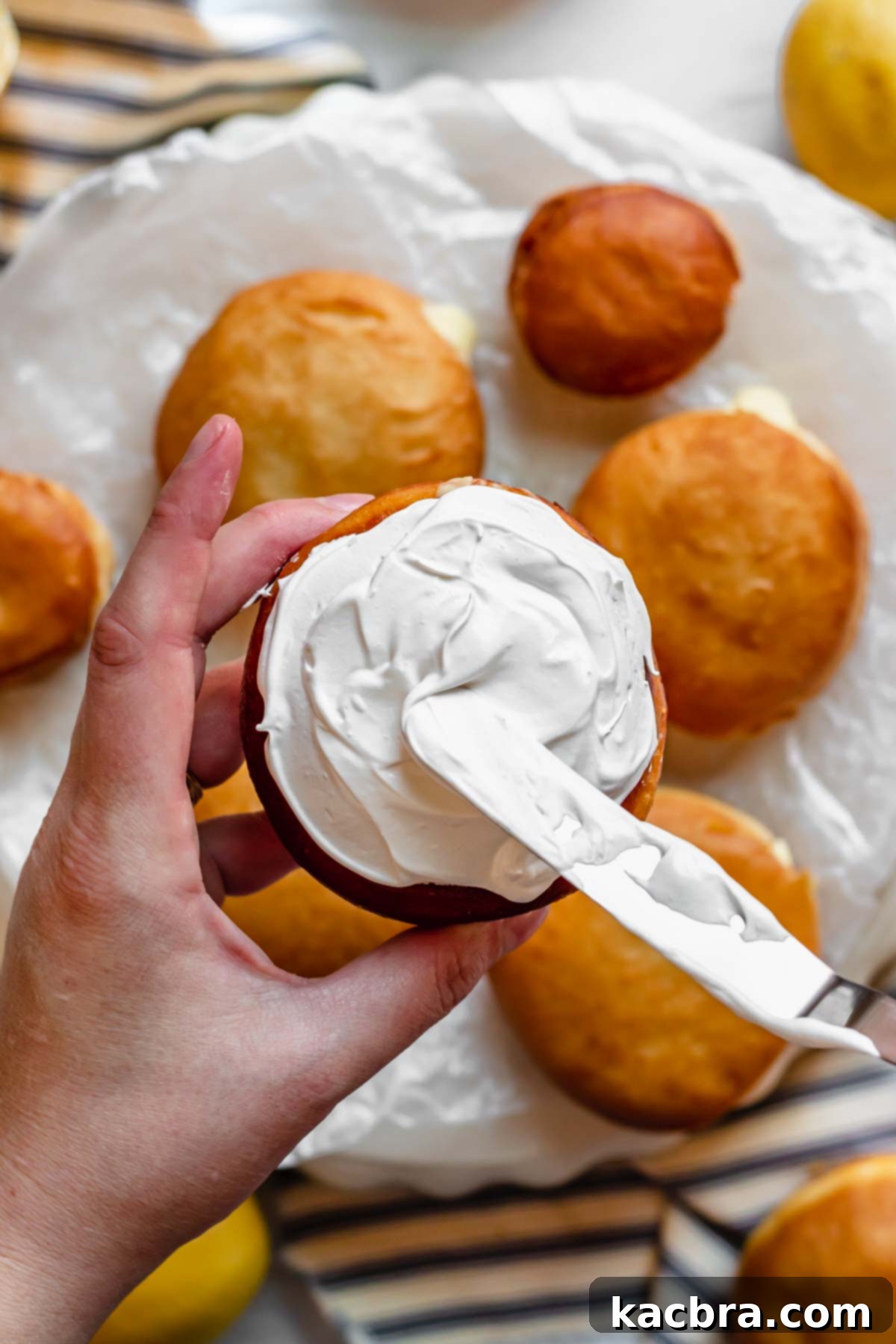
Eleven: Top with Meringue. Once all donuts are filled, take a spoonful of your prepared Swiss meringue. Using an offset spatula or the back of a spoon, elegantly spread a generous dollop of meringue on top of each donut. You can create beautiful swoops, swirls, or peaks to give them that classic lemon meringue pie aesthetic. The texture and visual appeal of the meringue will add a professional touch to your homemade treats.

Twelve: Torch and Serve. For an impressive finish and an extra layer of flavor, lightly toast the meringue topping with a kitchen torch just before serving. This will caramelize the sugar on the meringue, creating beautiful golden-brown peaks and a delicate smoky aroma that perfectly complements the tart lemon. Serve these incredible lemon filled donuts immediately for the best fresh-from-the-bakery experience!
Expert Tips for Donut Perfection
Achieving perfectly light, flavorful lemon filled donuts requires a few insider tricks. Keep these expert tips in mind to ensure your baking process is seamless and your results are outstanding:
- Dough Consistency is Key: After the kneading process, your brioche dough should feel slightly tacky to the touch but should not be overly sticky or adhere excessively to your hands. If the dough remains too sticky after the recommended kneading time, gradually add flour, 1-2 tablespoons at a time, and continue kneading until it reaches the correct tacky but manageable consistency. This is crucial for easy handling and proper rise.
- Set Up Your Frying Station: Before you even think about heating the oil, ensure your entire deep-frying station is meticulously set up and ready to go. This includes having your heavy-bottomed pot on the stove, oil poured in, a reliable thermometer in place, a wire rack lined with paper towels nearby for draining, and your raw, risen donuts waiting on their parchment squares. A well-organized setup minimizes stress and ensures safety and efficiency once the oil is hot.
- Chill the Lemon Curd Properly: The lemon curd must be thoroughly chilled and firm before you attempt to pipe it into the donuts. This not only allows the flavors to meld beautifully but also ensures the curd has enough body to be easily piped without oozing out of the donuts. Remove it from the fridge only when you are completely ready to fill.
- Gentle Puncturing: When using a chopstick or similar tool to create the cavity for the filling, exercise caution and a gentle hand. The goal is to create a spacious pocket without tearing through the delicate donut wall. Take care not to puncture a hole through the bottom or the sides of the donut, as this will lead to the filling leaking out.
Frequently Asked Questions about Homemade Lemon Donuts
Got questions about making these delightful lemon filled donuts? We’ve got answers to help you achieve perfect results every time.
For proper frying and even cooking, there should be at least 3 inches of oil in your pot. A Dutch oven is highly recommended for this process, as its heavy bottom and thick walls help maintain a consistent oil temperature, which is crucial for perfect donuts.
Maintaining the correct oil temperature is vital. Use a frying or candy thermometer to keep the oil at a steady 350-370°F (175-182°C) throughout the frying process. Be prepared to adjust your stove’s heat as necessary to keep the temperature within this range, as it will fluctuate when donuts are added.
Your donuts are perfectly cooked when they exhibit a beautiful golden-brown color on the outside and feel light and pillowy to the touch. For those who want to get technical, an internal temperature of 190°F (88°C) is ideal, indicating they are cooked through.
Raw centers can occur for a couple of reasons. Firstly, if the oil temperature was too low, the donuts would absorb too much oil and not cook through properly. Secondly, if the oil was too hot, the outsides might brown and cook too quickly, creating a crust that prevents the heat from penetrating and cooking the inside before the exterior burns.
The primary difference lies in their cooking method and often, their dough type. Fried donuts are typically made with a yeast-leavened dough, resulting in a light, airy, and chewy texture. Baked donuts, on the other hand, usually employ a cake-like batter leavened with baking soda or baking powder, yielding a denser, cakey texture. While there are exceptions (like fried cake donuts or baked yeast donuts), this distinction is generally accurate.
Yes, due to the perishable lemon curd filling, any leftover assembled donuts must be stored in the refrigerator. Alternatively, you can store the unfilled, fried donuts at room temperature in an airtight container for up to one day, then fill them with lemon curd just before serving any leftovers. Once assembled with the curd and meringue, they can be stored at room temperature for one day before requiring refrigeration.
Storage and Freezing Guidelines for Your Homemade Donuts
These exquisite lemon filled donuts are truly at their peak when enjoyed fresh, immediately after assembly. The fluffy texture of the brioche, the vibrant curd, and the delicate meringue are best experienced soon after they are made. However, we understand that sometimes you might have leftovers or want to prepare parts in advance. Here’s how to properly store them:
Storing Assembled Lemon Donuts
For optimal freshness and safety, lemon filled donuts topped with meringue should ideally be eaten the same day they are assembled. The lemon curd requires refrigeration, and while the assembled donuts can be kept at room temperature for up to one day, refrigerating them afterward is essential to prevent spoilage. If you plan to enjoy them over a couple of days, it’s best to store the plain fried donuts in an airtight container or zip-top bag at room temperature, and then fill and top them with lemon curd and meringue just before serving.
Freezing Donut Dough for Later Enjoyment
If you’re looking to get a head start on your donut making or simply want to save some for a rainy day, you can freeze the donut dough at a specific stage. After you have cut out your donut rounds and placed them on parchment paper squares, arrange the cut donuts on a sheet pan and flash freeze them for about 30 minutes. Once firm, transfer the frozen donut rounds (with their parchment squares) to a freezer-safe zip-top bag, removing as much air as possible to prevent freezer burn. They can be stored in the freezer for up to one month.
To prepare frozen donuts, transfer them from the freezer to the refrigerator to thaw overnight. Once thawed, place the donut rounds (still on their parchment-lined baking sheet) in a warm, draft-free location, lightly covered with plastic wrap, and allow them to rise for approximately one hour, or until puffy. After they have completed their second rise, proceed with frying as instructed in the recipe.

More Delightful Sweet Breakfast Recipes You’ll Love
If you have a sweet tooth and a passion for starting your day with something truly special, or ending it with a comforting dessert, you’re in the right place! Explore these other beloved sweet breakfast and dessert recipes:
- Pecan Bread Pudding with Vanilla Sauce
- Earl Grey Scones with Lemon Glaze
- Fluffy Bakery Style Banana Muffins
- Baileys French Toast with Baileys Whipped Cream
Did you make this recipe? Share your delicious creations with us! Tag @thecozyplum on Instagram & Facebook and let us know what you thought in the comments below!
📖 Lemon Filled Donuts with Meringue Recipe

Lemon Filled Donuts with Meringue
By Callan Wenner
These homemade, lemon filled donuts are made with fluffy brioche dough, fried to perfection, filled with thick, tart lemon curd, and topped with smooth vanilla meringue. They’re soft, brightly flavored, and taste like lemon meringue pie in a donut!
Prep Time: 30 mins | Cook Time: 15 mins | Rise Time: 1 hr 30 mins | Total Time: 2 hrs 15 mins
Course: Breakfast, Dessert, Snack | Cuisine: American, French
Servings: 12 donuts | Calories: 353 kcal
Equipment
- Microplane or zester
- Fine mesh sieve
- Stand mixer with dough hook attachment
- Rolling Pin
- Cookie cutter, biscuit cutter, or drinking glass
- Large, heavy-bottomed pot
- Candy or deep frying thermometer and digital kitchen thermometer
- Spider or metal slotted spoon/spatula
- Piping bags or ziptop bag
- Chopstick or eating utensil
- Parchment paper
- Baking sheet or cooling rack
- Kitchen torch
Ingredients
Lemon Curd
- 3 large eggs
- ½ cup granulated sugar
- 3 tablespoons lemon zest
- ⅓ cup lemon juice freshly squeezed
- 6 tablespoons unsalted butter room temperature
Donut Dough
- 3 cups all-purpose flour
- ½ teaspoon kosher salt
- ⅓ cup granulated sugar
- 2¼ teaspoons instant yeast (one pack)
- ¾ cup whole milk warmed to 110℉
- 3 large egg yolks (reserve the whites for meringue)
- ¼ cup unsalted butter melted (57g)
- 1 quart vegetable oil or canola oil for frying
Swiss Meringue
- 3 large egg whites
- ¾ cup granulated sugar
- 1 teaspoon vanilla paste or extract
Instructions
Lemon Curd
- Zest about two lemons until you have 3 tablespoons of zest. Cut and juice the lemons until there is ⅓ cup of lemon juice – remove any seeds. Cut the butter into tablespoon pieces and place a fine mesh sieve on top of a bowl.
- Add the eggs, sugar, lemon juice, and lemon zest to a medium saucepan over medium-low to medium heat.
- Whisk constantly until the curd thickens considerably and it just starts to bubble, about 5 minutes.
- Transfer the curd to the fine mesh sieve and pass it through into the bowl using a rubber spatula or wooden spoon. Scrape the underside of the sieve to remove all curd.
- Adding one tablespoon of butter at a time, whisk it in completely to combine before adding the next tablespoon of butter.
- Cover the lemon curd with plastic wrap, placing the wrap directly onto the curd to prevent a skin from forming. Chill for 1-2 hours or preferably overnight.
Donut Dough
- Add the flour, salt, sugar, yeast, whole milk, egg yolks, and unsalted butter to the bowl of a stand mixer fitted with the dough hook attachment. Mix on low speed until combined, but shaggy.
- Increase to medium to medium-high speed and knead for 10-12 minutes. The dough will have pulled away from the sides and be soft and very pliable. If the dough is still sticking to the sides, add 2 tablespoons of flour at a time until it peels away from the sides (some may still be stuck to the bottom).
- Lightly grease a large bowl with oil or cooking spray, add the ball of dough, and cover with plastic wrap. Transfer to a slightly warm location to rise for about an hour, or until the dough doubles in size.
- Prepare a cookie sheet with 4×4″ parchment paper squares so it’s ready for the cut donuts later on.
- Once risen, turn out the dough and roll it out to ½” thick. Use a 2½ inch cookie cutter to cut out rounds of dough and transfer to the pieces of parchment paper on the cookie sheet.
- Cut out as many as possible, then re-knead & re-roll the scraps and cut out additional donuts. You should be able to get 12 donuts out of the dough.
- Cover the donut rounds lightly with plastic wrap and allow to rise in a warm place for another 30 minutes until puffy.
Frying the Donuts
- Add the canola or vegetable oil to a large, heavy-bottomed pot over medium heat until it reaches 350-360℉ on a thermometer. You’ll want to keep an eye on the temperature in between every batch, keeping it as close to this temperature as possible by adjusting your heat accordingly.
- Carefully add 2-3 donut rounds (still on their parchment paper) to the hot oil. After about 10-15 seconds, use tongs to remove the parchment paper. Fry for about one minute on each side until a beautiful golden color.
- Remove the fried donuts to a wire rack or cookie sheet lined with paper towels to drain excess oil. Repeat until all donuts are fried. Cool completely before filling.
Swiss Meringue
- Fill a saucepan with about 1 inch of water and turn to high heat, bringing it to a simmer. Add a heatproof bowl over top that fits securely, ensuring no water touches the bottom of the bowl.
- To the bowl, add the egg whites and sugar and whisk to combine. Continue lightly whisking until the mixture is warm to the touch (around 150℉/66℃) and the sugar granules have dissolved (test by rubbing a small amount between your fingers).
- Once the mixture is ready, transfer it to the bowl of a stand mixer fitted with the whisk attachment (or use a hand mixer) and whip on medium speed for about a minute. Turn to high speed and whip until stiff, glossy peaks form.
- Once the meringue hits stiff peaks, add the vanilla paste or extract, then mix once more to combine briefly. The meringue is ready when the bowl can be turned upside down without any movement or sliding, and a peak holds firmly on the tip of the whisk.
Donut Assembly
- Transfer the chilled lemon curd to a piping bag and snip a small hole from the tip.
- Use a chopstick or similar tool to puncture a hole into the side of each donut. Insert it about ⅔ of the way and carefully move it in a circular motion to open up the space for the filling.
- Gently squeeze lemon curd from the piping bag into each donut until it just peeks out of the hole. You will feel some pressure as it’s almost filled, and the donut will feel heavier.
- Use an offset spatula or spoon to add a dollop of meringue to the top of each donut and create elegant swoops or swirls.
- Use a kitchen torch to lightly toast the meringue portion of each donut until golden brown, just before serving.
- The donuts are best enjoyed immediately after assembly for peak freshness and flavor, and should ideally be eaten the same day.
Notes
Visit my Easy Lemon Curd Recipe for detailed instructions on how to make the curd. It’s best to make the lemon curd the day before so it has time to set up and chill properly.
Store the assembled donuts at room temperature for one day. Any longer, and due to the lemon curd, they should be refrigerated.
Nutritional Information (Estimate per serving)
Calories: 353 kcal | Carbohydrates: 53g | Protein: 8g | Fat: 13g | Saturated Fat: 7g | Polyunsaturated Fat: 1g | Monounsaturated Fat: 4g | Trans Fat: 1g | Cholesterol: 116mg | Sodium: 89mg | Potassium: 120mg | Fiber: 2g | Sugar: 28g | Vitamin A: 443IU | Vitamin C: 5mg | Calcium: 41mg | Iron: 2mg
The provided nutritional information is an estimate per serving. Accuracy is not guaranteed.
Tried this recipe? Let us know how it was!