As an Amazon Affiliate, I earn from qualifying purchases.
Essential Baking Tools: Your Ultimate Guide to Equipping Your Kitchen
Stepping into the world of baking can be exhilarating, filled with the promise of warm cookies, fluffy cakes, and crusty breads. However, the sheer volume of baking tools available can often feel overwhelming. What whisk is best? How many spatulas do you truly need? And what exactly are pie weights, and are they a necessity for your kitchen? This comprehensive guide is designed to demystify the vast array of baking equipment, helping you build a functional and efficient tool library that will empower your culinary adventures.
Whether you’re a budding baker just starting out or looking to refine your existing collection, understanding which tools are truly essential versus those that are simply nice to have can save you time, money, and counter space. We’ll break down the must-have basics that form the foundation of any successful baking endeavor, along with practical upgrades that can elevate your baking experience and open doors to more advanced techniques. Get ready to transform your kitchen into a baker’s sanctuary, one essential tool at a time!
Must-Have Baking Essentials: Building Your Foundation
These are the foundational tools that I personally use regularly and consider indispensable for anyone serious about baking. This selection focuses on versatility, quality, and functionality, ensuring you have the core equipment needed to tackle a wide range of recipes from simple cookies to intricate cakes. You might be surprised at how few truly essential items you need to start creating delicious baked goods!
1. Accurate Measuring Tools: The Heart of Baking
Baking is often described as a science, and precision is paramount. Eyeballing ingredients is a recipe for disaster. Investing in good measuring tools is perhaps the most critical step you can take.
- Measuring Cups (Dry): A complete set (1 cup, 1/2 cup, 1/3 cup, 1/4 cup) made of stainless steel is durable and easy to clean. Look for sets with clearly engraved measurements that won’t fade over time.
- Measuring Spoons: Essential for precise quantities of spices, leavening agents, and extracts. A set from 1 tablespoon down to 1/8 teaspoon is ideal.
- Liquid Measuring Cups: Glass or plastic cups with clear markings and a pouring spout are perfect for liquids. Sizes ranging from 1 cup to 4 cups (or 1 liter) will cover most needs. Ensure you measure liquids at eye level for accuracy.
- Digital Kitchen Scale: While sometimes overlooked by beginners, a digital scale is a game-changer for accuracy, especially for flour and other dry ingredients. Many professional bakers swear by weighing ingredients for consistent results, as volume measurements can vary wildly. It eliminates common issues like packing flour too tightly into a measuring cup.
2. Versatile Mixing Bowls: Your Workspace
You’ll need a variety of sizes to handle different tasks, from whisking a single egg to combining a large batch of dough.
- Stainless Steel Mixing Bowl Set: A set of 3-5 bowls in varying sizes (e.g., 1.5 quart, 3 quart, 5 quart) is incredibly versatile. Stainless steel is lightweight, durable, non-reactive, and easy to clean.
- Glass Mixing Bowls: While heavier, glass bowls are excellent for microwave use and allow you to see ingredients from all angles, which can be helpful for tasks like melting chocolate or proofing dough.
3. Essential Stirring and Scraping Utensils
These tools are your hands in the mixing bowl, ensuring everything is properly incorporated and no delicious batter is left behind.
- Whisks:
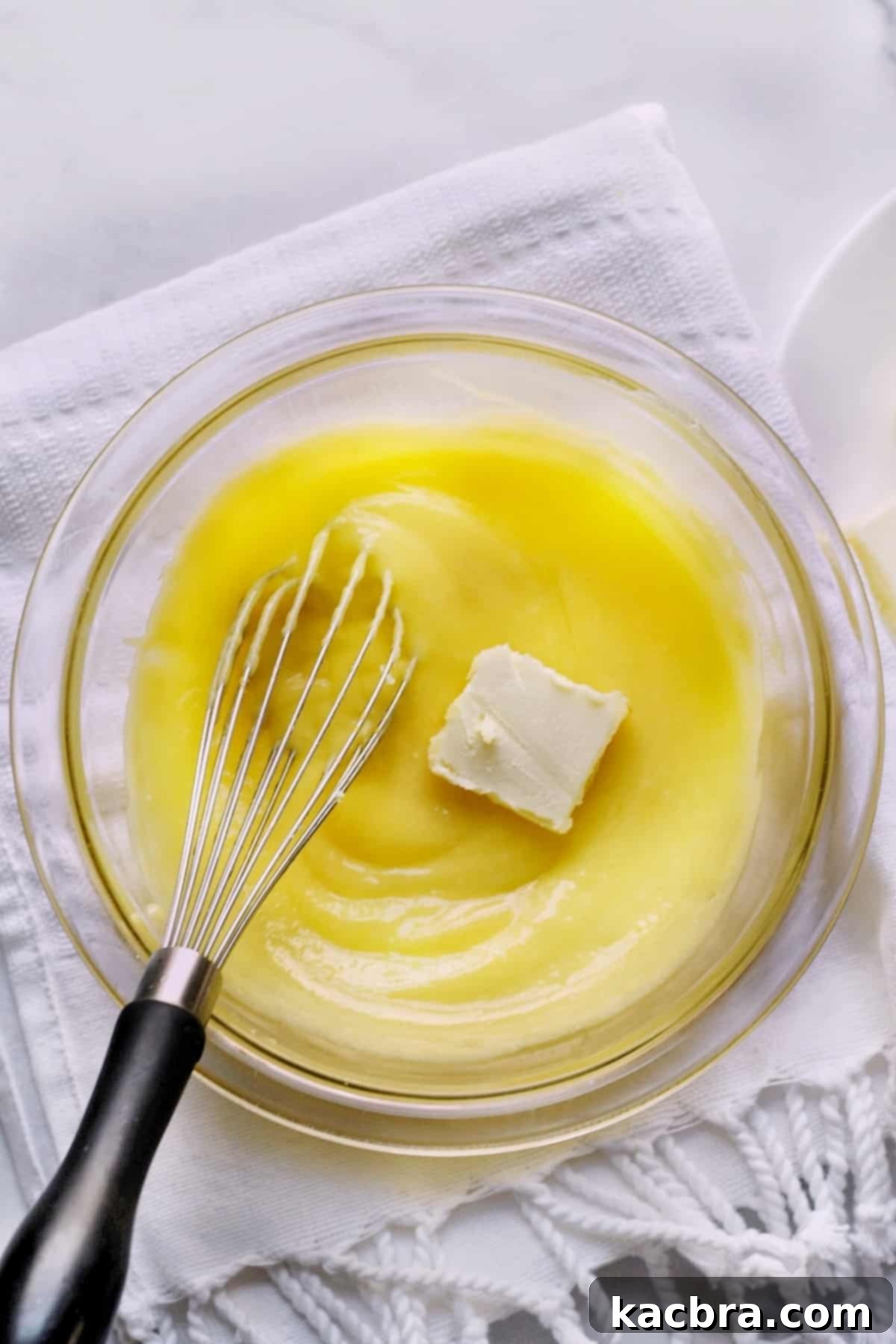
- Balloon Whisk: The classic choice for aerating eggs, whipping cream, and blending dry ingredients. A good quality stainless steel whisk with a comfortable handle is a must.
- Flat Whisk (Roux Whisk): While less common for beginners, a flat whisk is excellent for scraping the bottom of pans to prevent scorching when making custards, gravies, or roux, ensuring even cooking.
- Rubber/Silicone Spatulas: Invest in a few heat-resistant silicone spatulas in different sizes. They are invaluable for scraping down bowls, folding delicate ingredients, and transferring batters without waste. Look for spatulas with flexible heads and sturdy handles.
- Offset Spatula: A small to medium offset spatula is perfect for spreading batter evenly into pans, frosting cakes, or lifting delicate cookies from a baking sheet. Its angled blade prevents your knuckles from dragging through your work.
4. High-Quality Baking Pans: The Foundation of Your Creations
The right pans make a significant difference in how your baked goods turn out. I highly recommend straight-sided pans for cakes, as they produce clean, professional-looking edges.
- Round Cake Pans: A set of two 8-inch or 9-inch round pans (preferably straight-sided) is essential for layer cakes.
- Square Baking Pan: An 8×8-inch or 9×9-inch square pan is perfect for brownies, bar cookies, and square cakes.
- Rectangular Baking Pan (9×13-inch): Often called a “quarter sheet pan,” this versatile pan is ideal for sheet cakes, casseroles, roasted vegetables, and large batches of brownies.
- Muffin Tin/Cupcake Pan: A standard 12-cup muffin tin will be used frequently for muffins, cupcakes, and even savory individual portions.
- Half Sheet Pans (13×18-inch): These are incredibly versatile for cookies, roasting vegetables, making sheet pan dinners, and even catching drips under pies. Two of these are ideal. Look for heavy-gauge aluminum for even heat distribution.
- Loaf Pan: A standard 9×5-inch loaf pan is perfect for bread loaves, meatloaf, and quick breads like banana bread.
5. Safety and Convenience Tools
- Oven Mitts/Pot Holders: Essential for protecting your hands from hot pans and oven racks. Choose heat-resistant options that offer good grip.
- Cooling Racks: Allow air to circulate around baked goods, preventing condensation and sogginess. A couple of wire cooling racks are a must for cookies, cakes, and breads.
- Parchment Paper: A baker’s best friend! Prevents sticking, makes cleanup a breeze, and helps with even baking. Keep a roll on hand.
Nice-to-Have Upgrades: Elevating Your Baking Game
These items aren’t strictly necessary to start baking, but they will significantly enhance your experience, save you time, and allow you to explore a wider range of recipes and techniques. They make your life easier and often yield more professional results.
1. Advanced Mixing & Prep
- Stand Mixer: A major investment, but for avid bakers, a stand mixer is a workhorse. It handles everything from kneading dough to whipping meringue with ease, freeing your hands for other tasks. While a good quality hand mixer can often substitute for many tasks, a stand mixer truly shines for larger batches and stiff doughs.
- Hand Mixer: A more affordable and space-saving alternative to a stand mixer, a good quality hand mixer is excellent for creaming butter and sugar, whipping cream, and mixing lighter batters.
- Rolling Pin: While the original content humorously (and truthfully!) notes you can use a wine bottle in a pinch, a dedicated rolling pin offers superior control and consistency. Options include classic wooden pins, French-style tapered pins, and marble pins (which stay cool and are great for pastry).
- Pastry Blender: Perfect for cutting cold butter into flour for pies, scones, and biscuits, ensuring a flaky texture.
- Pastry Brush: A silicone or natural bristle brush is invaluable for glazing pastries with egg wash, buttering pans, or basting roasts.
2. Specialty Pans & Molds
These pans are recommended for some specialized recipes and can produce unique results, but don’t worry, I often provide alternatives on how to make these recipes using standard pans mentioned in the “Must-Have” section.
- Tart Pans with Removable Bottoms: Ideal for creating beautiful tarts with crisp crusts that are easy to unmold. Sizes like a 9-inch round or smaller 5-inch tart pans are great for individual servings.
- Tartlet Pans: For individual, bite-sized tarts, perfect for entertaining.
- Springform Pan: Essential for cheesecakes and other delicate desserts that need to be easily released from the pan without inverting. A 9-inch round is the most common size.
- Bundt Pan: For visually stunning cakes with intricate designs, often requiring no frosting.
- Donut Pan: If you love baked donuts, this pan is a must.
- Silicone Baking Mats (e.g., Silpat): Reusable, non-stick surfaces that replace parchment paper, offering superior heat distribution and easy cleanup.
- Silicone Molds: For specific shapes like financiers, madeleines, or novelty treats.
3. Decorating & Finishing Touches
- Piping Bags and Tips: For decorating cakes, cupcakes, and pastries with frosting, or even filling éclairs. A basic set of round and star tips is a good starting point.
- Cookie Cutters: A fun way to create themed cookies for holidays or special occasions. A basic set of round, square, and perhaps some seasonal shapes is a good start.
- Zester/Grater: For adding citrus zest to batters or grating chocolate for garnish.
- Bench Scraper: Invaluable for working with dough, dividing it, and cleaning your work surface.
4. Precision and Advanced Techniques
- Pie Weights: Ah, the mystery of pie weights! These small ceramic or metal beads are used to “blind bake” pie crusts. When you bake a crust before filling it, the weights prevent the dough from bubbling up and shrinking. You absolutely need them for recipes that call for a pre-baked crust, ensuring a perfectly flat and crisp base for your fillings.
- Instant-Read Digital Thermometer: Crucial for checking the internal temperature of breads, custards, tempering chocolate, or ensuring sugar syrups reach precise stages. Accuracy means perfectly baked goods every time.
Beyond the Basics: Tips for Building Your Baking Arsenal
Equipping your kitchen for baking isn’t about buying every gadget on the market. It’s about thoughtful selection and investing in quality pieces that will stand the test of time and support your baking journey.
- Start Simple: Begin with the “Must-Haves.” You can create an incredible variety of baked goods with just these fundamental tools.
- Prioritize Quality: A well-made tool will perform better and last longer. Opt for stainless steel, heavy-gauge aluminum, and heat-resistant silicone over flimsy plastics.
- Consider Your Space: If kitchen space is limited, focus on multi-functional tools and consider collapsible options where available.
- Learn as You Go: As you discover new recipes and techniques, you’ll naturally identify additional tools that would be beneficial. Don’t feel pressured to buy everything at once.
- Organization is Key: Store your tools efficiently to keep your kitchen tidy and make baking a more enjoyable process.
Conclusion: Bake with Confidence!
Baking is a delightful journey of creativity, precision, and delicious rewards. With this guide, you now have a clear roadmap to selecting the essential tools that will empower you to bake with confidence and joy. From the humble measuring spoon to the mighty stand mixer, each tool plays a vital role in transforming simple ingredients into culinary masterpieces. So, gather your chosen equipment, preheat your oven, and embark on your next delicious baking adventure!