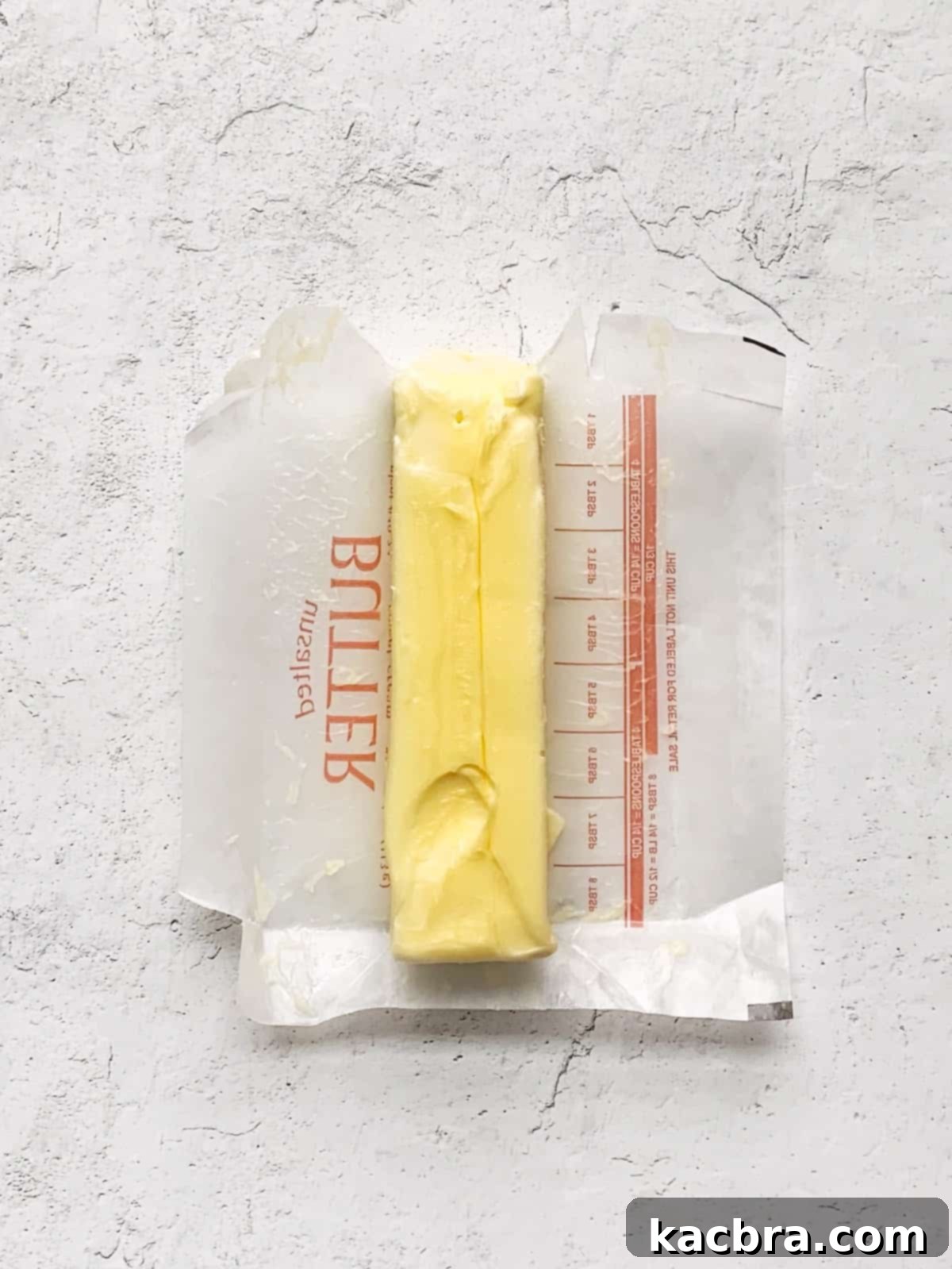
Have you ever been in the middle of a baking project, excitedly mixing ingredients, only to find your batter curdling or your cookies spreading flat? The culprit might be something as simple as the temperature of your butter. Often overlooked, the seemingly minor detail of using room temperature butter can profoundly impact the success of your baked goods. This comprehensive guide will explain the science behind why butter temperature truly matters, how to achieve that perfect consistency, and clever tricks for when you’re short on time. Get ready to elevate your baking from good to absolutely glorious!
This post contains affiliate links. As an Amazon Associate, I earn from qualifying purchases.
Understanding Room Temperature Butter: The Golden Standard
So, what exactly is “room temperature butter”? It’s not as simple as leaving butter out until it’s squishy. The ideal temperature range for butter is precisely between 65-70°F (18-21°C). At this specific temperature, butter reaches a sweet spot where it’s pliable enough to work with, yet still maintains its structure. Surprisingly, butter at this temperature will still feel slightly cool to the touch, not warm or greasy. Many bakers mistakenly think “room temperature” means butter that’s completely soft and mushy, but this common misconception can lead to less-than-perfect results.
To be truly precise, especially if you’re a meticulous baker or just starting out, a reliable kitchen thermometer can be your best friend. Simply insert the probe into the center of your stick of butter to get an accurate reading. This small step ensures your butter is perfectly primed for whatever delicious creation you have in mind, removing all guesswork from the equation.
The Science Behind the Softness: Why Butter Temperature Transforms Your Bakes
The importance of room temperature butter boils down to fundamental baking science, particularly the creaming method – a cornerstone technique in countless recipes for cakes, cookies, and frostings. This process involves beating butter and sugar together until light and fluffy. But it’s not just about mixing; it’s about aeration.
The Magic of Air Incorporation
Butter, being a fat, has a unique ability to trap air. When butter is at room temperature, its fat crystals are pliable, making them ideal for capturing air bubbles. As you beat the sugar crystals against the softened butter, the sharp edges of the sugar create tiny pockets within the butter. These pockets then fill with air, transforming the butter into a light, airy matrix. This trapped air is crucial because it expands during baking, acting as a leavening agent that gives your baked goods their desirable light, tender, and fluffy texture. Think of it as building a microscopic scaffold that supports the rise and structure of your cake or cookie.
If your butter is too cold, it’s too firm to effectively trap air. The sugar crystals will simply bounce off the hard butter, resulting in a dense, heavy crumb. Conversely, if your butter is too soft or melted, the fat structure breaks down, and it can’t hold air effectively, leading to flat, greasy, and often heavy results.
Seamless Emulsification for a Smooth Batter
Beyond aeration, room temperature butter plays a vital role in proper emulsification. When all ingredients in a recipe, especially fats and liquids, are at a similar temperature, they combine much more smoothly and evenly. This leads to a homogenous batter, dough, or icing without lumps or pockets of unincorporated ingredients.
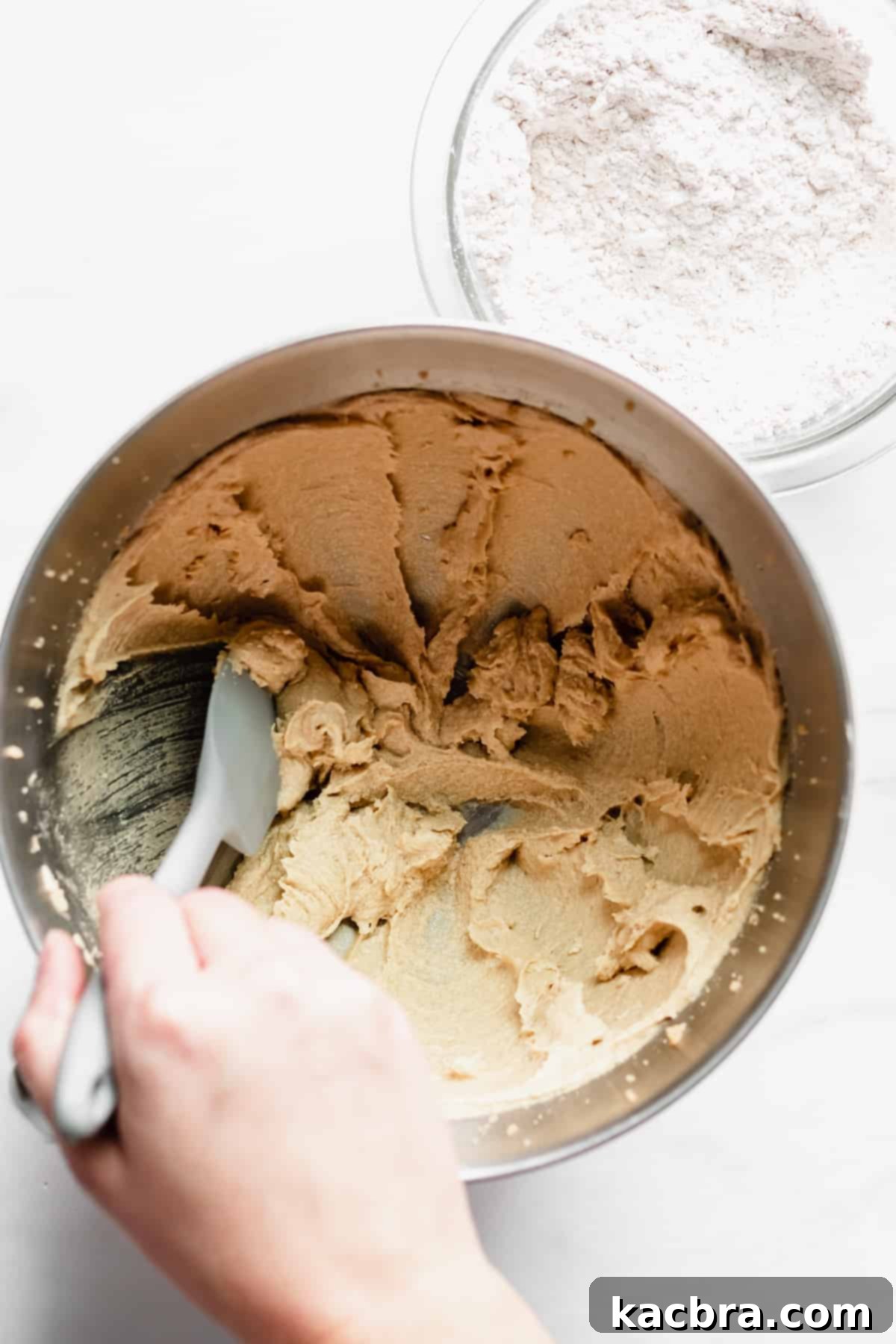
Consider a scenario where you add cold eggs to a beautifully creamed butter and sugar mixture. The cold eggs will cause the butter to seize up and firm, leading to a curdled appearance. While it might sometimes come together during baking, it’s a sign of improper emulsification that can affect the final texture. Warm ingredients, on the other hand, incorporate seamlessly, creating a unified structure that results in a perfectly textured bake, like the smooth batter for this Spiced Pear Cake with Brown Butter Frosting.
This principle extends to all ingredients listed as “room temperature” in a recipe, such as eggs and milk. Ensuring they are all at a consistent temperature allows for optimal blending, preventing a myriad of issues like lumps, grainy textures, or separation that can compromise the integrity and appeal of your finished product. Achieving a smooth, uniform batter is the first step towards a consistently delicious outcome.
Softened Butter vs. Room Temperature Butter: Is There a Difference?
This is a common question, and thankfully, the answer is simple: no, there isn’t a difference. The terms “softened butter” and “room temperature butter” are used interchangeably in most baking recipes and guides. You might see a recipe call for “unsalted butter, softened to room temperature,” which clarifies that these terms refer to the same ideal consistency and temperature range of 65-70°F (18-21°C).
The key is understanding what that ideal state truly feels like, which brings us to our next point.
Mastering the Feel Test: How to Know When Your Butter is Perfect
Even without a thermometer, you can develop a keen sense for perfectly room temperature butter. As we’ve established, it should still feel slightly cool, not warm or oily. Remember that sweet spot of 65-70°F (18-21°C). While some highly experienced bakers might argue that 70°F is pushing it, most recipes yield excellent results within this range.
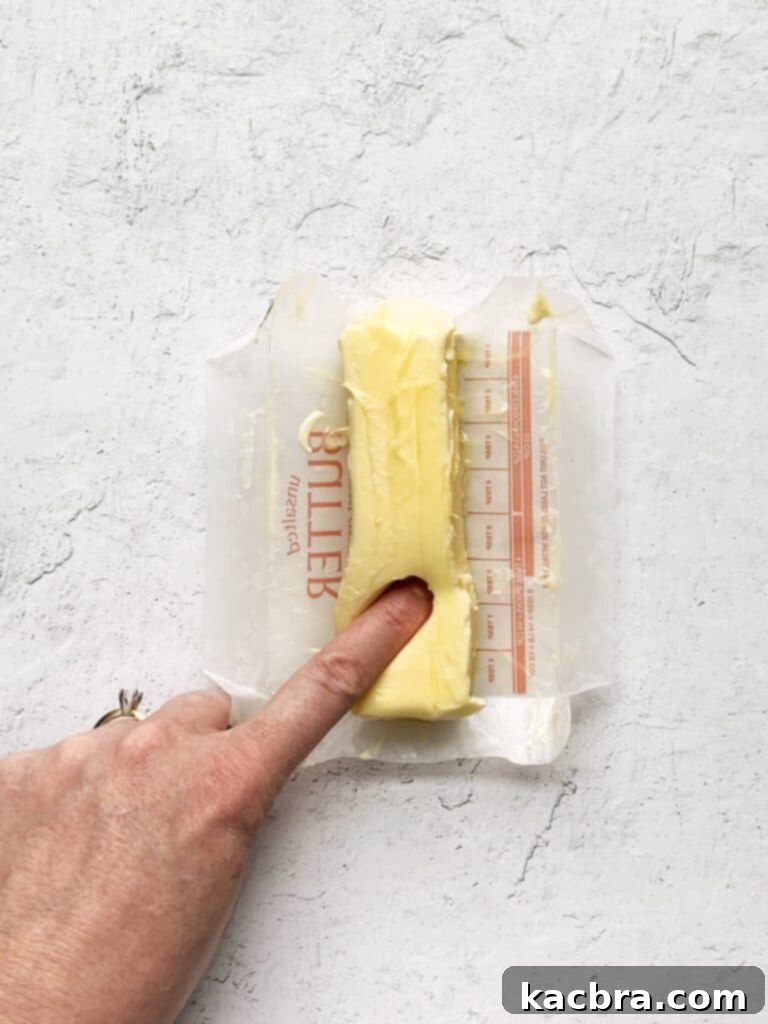
The most reliable tactile test is the finger indent method. Gently press one finger into the top of the stick of butter. What you’re looking for is a slight indent. Your finger should press in with some resistance, but it shouldn’t be rock hard. Crucially, your finger should not easily push all the way through the stick, nor should it feel like you’re poking into a soft, yielding mass without much effort. If your finger goes through with almost no resistance, your butter is too soft.
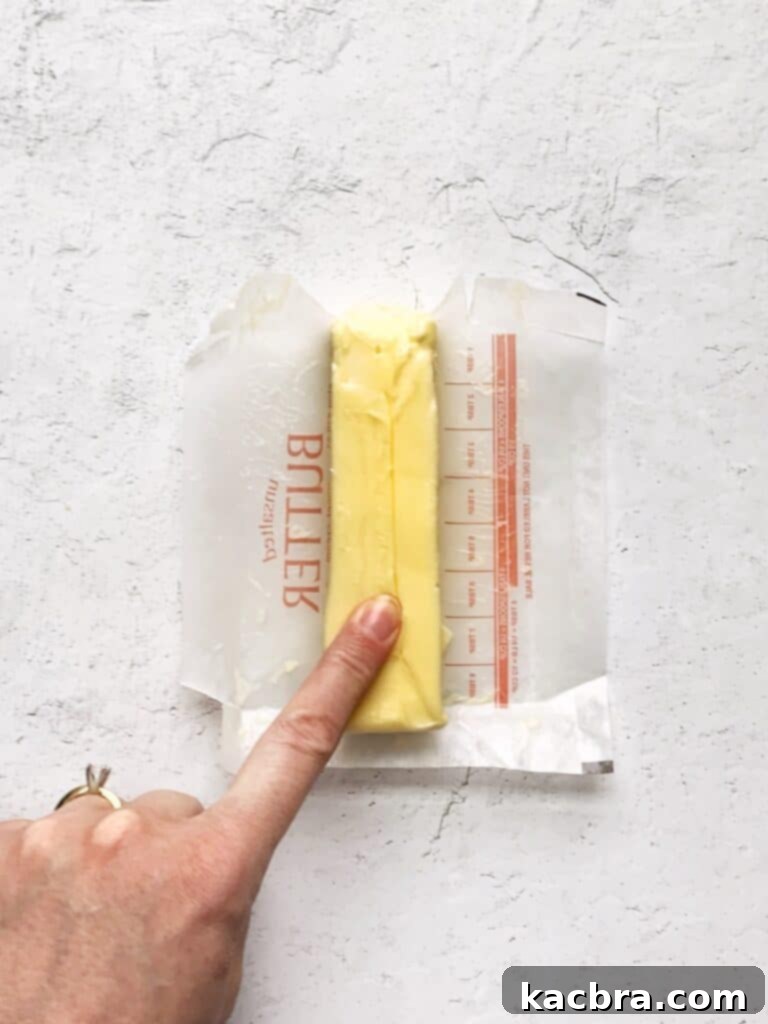
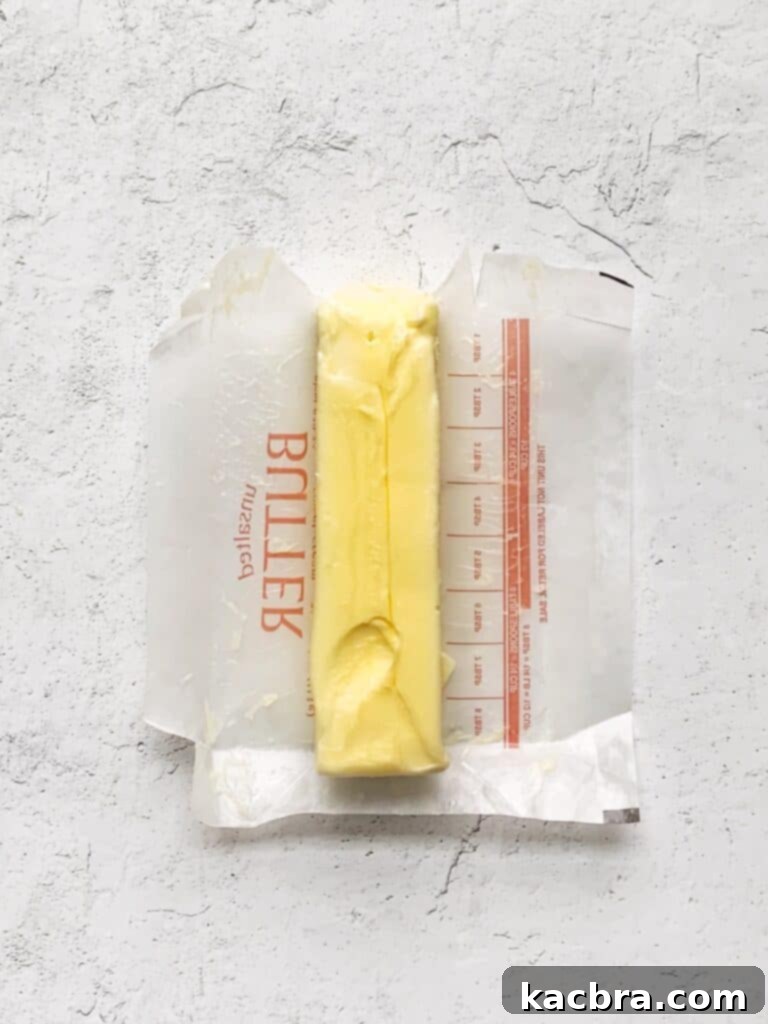
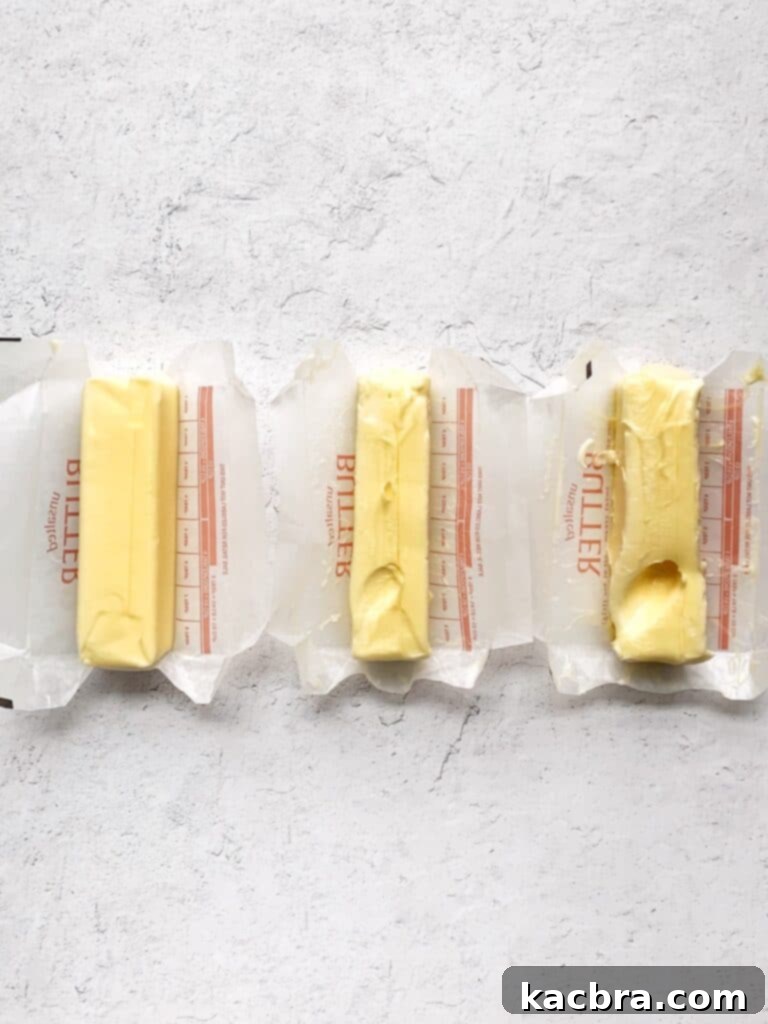
The images above perfectly illustrate the correct consistency and the characteristic slight indent you should see. The butter pictured here registered at a perfect 67°F (19.4°C) with a thermometer.
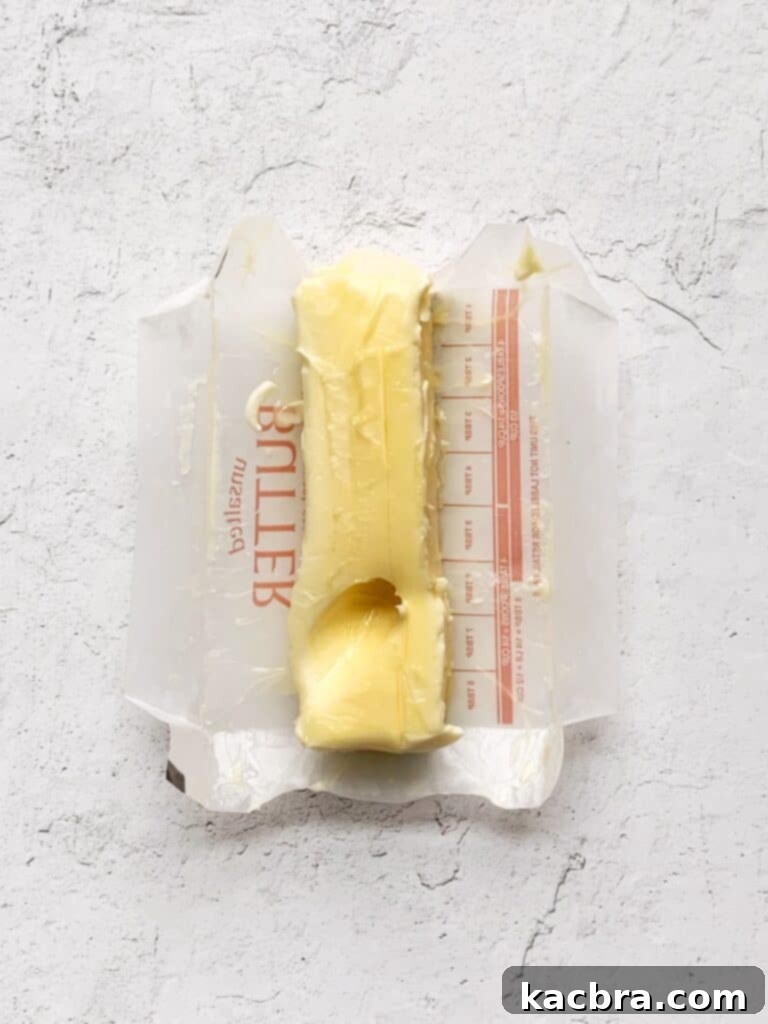
In contrast, the images below depict butter that is significantly too soft for most baking applications. This butter measured at 75°F (24°C). Visually, you can often discern butter that is too soft; it might have a noticeable sheen or appear slightly greasy, and it may even show signs of pulling apart or sticking excessively to its wrapper during unwrapping. When you press it, your finger will likely sink in deeply with minimal resistance, indicating its structural integrity for creaming has been compromised.
The Waiting Game: How Long Does Butter Take to Soften Naturally?
Patience is a virtue, especially in baking! In an average kitchen, butter typically takes about 1-2 hours to reach the ideal room temperature. This timeframe can fluctuate significantly based on several factors:
- Ambient Room Temperature: A warmer kitchen (say, during summer or if your heating is on high) can reduce this time to as little as 30 minutes. Conversely, a colder kitchen might require 2-3 hours, or even longer.
- Butter Size: A full stick will take longer than smaller pieces.
- Packaging: Butter removed from its packaging will soften quicker than butter left wrapped.
The best practice is always to plan ahead. Take your butter out of the refrigerator at least an hour or two before you intend to start baking. However, we all forget sometimes, which is why having some quick softening tricks up your sleeve is invaluable!
No Time to Wait? Quick Hacks for Softening Cold Butter
Even the most organized bakers occasionally forget to take butter out of the fridge. Don’t let a cold stick of butter derail your baking plans! Here are five tried-and-true methods to quickly bring butter to the perfect room temperature, saving your recipe and your sanity:
- The Microwave Residual Heat Method: This is a favorite for its effectiveness and minimal risk of melting.
How-to: Cut the required amount of butter into tablespoon-sized pieces and spread them out on a large, microwave-safe plate. In a separate glass measuring cup or bowl, heat 2 cups of water in the microwave for 2-3 minutes until it’s steaming hot. Carefully remove the hot water from the microwave. Immediately place the plate with butter into the microwave, close the door, but do not turn it on. Let the butter sit in the residual warmth and steam for about 7-10 minutes. The gentle, ambient heat will gradually bring your butter to temperature without any risk of melting.
Why it works: The microwave acts as a warm, humid chamber, gently coaxing the butter to soften uniformly. - The Warm Water Bath Method: A gentle and effective way to warm butter evenly.
How-to: Place a stick of butter (still in its original wrapper or, for extra protection, sealed in a ziplock bag, ensuring all air is removed) into a bowl or liquid measuring cup. Fill the bowl with warm (not hot!) water, just enough to submerge the butter. Let it sit for 5-10 minutes. The warm water will slowly transfer heat to the butter. If you need to soften multiple sticks, use separate bags and bowls to maintain even heat transfer.
Why it works: Water is an excellent conductor of heat, ensuring the butter warms up gradually and consistently from all sides. Avoid hot water, as it can melt the butter unevenly. - The Body Heat Method: Surprisingly effective and incredibly simple!
How-to: Place a stick of butter (still wrapped or in a ziplock bag) into your pocket, under your armpit, or tucked into your waistband. Your body heat will gently warm the butter. This method typically takes about 15-20 minutes, allowing you to prep other ingredients while your butter softens.
Why it works: Your consistent body temperature provides a gentle, low-heat environment perfect for gradual softening. This is my go-to when I’m multitasking in the kitchen! - The Grating Method: For instant gratification when you need small pieces.
How-to: Use a box grater to grate the cold butter into small shreds. This dramatically increases the surface area, allowing the butter to come to room temperature much faster – often within 5-10 minutes – as it’s exposed to the warmer air.
Why it works: Increased surface area allows for quicker heat absorption. Ideal for recipes where small pieces of butter are beneficial, like pie crusts or biscuits, but also great for creaming if you let the shreds sit for a few minutes. - The Pounding/Rolling Method: A quick way to flatten and soften.
How-to: Place the stick of butter (in its wrapper or a ziplock bag) between two sheets of parchment paper or plastic wrap. Using a rolling pin or a heavy pan, gently pound and roll the butter until it flattens into a thin sheet. The physical action and increased surface area will quickly soften it.
Why it works: Mechanical action and increased surface area expedite the softening process.
Methods to Avoid:
- Direct Microwave Heating: Never put a whole stick of butter directly in the microwave and press “start.” Microwaves heat unevenly, causing some parts to melt into a greasy liquid while others remain cold and hard. This liquid fat won’t cream properly.
- Direct Sunlight or Hot Stovetop: While it might seem quick, direct heat sources melt butter too rapidly and unevenly, destroying its structure for baking.
Don’t feel like softening butter? Try some of these recipes!
If you’re truly in a rush or prefer recipes that don’t rely on the creaming method, there are plenty of delicious options where cold butter is either required or unnecessary:
- Blueberry Tart (often uses cold butter for crust)
- Cherry Pie (cold butter is essential for a flaky pie crust)
- Chocolate Peanut Butter Tart
- Mango & Toasted Coconut Marshmallows (butter often melted or not a primary ingredient)
The Takeaway: Consistency is Key for Baking Success
The journey to becoming a confident and successful baker is paved with understanding fundamental principles, and the importance of room temperature butter is undoubtedly one of them. It’s more than just a passing instruction in a recipe; it’s a critical step that dictates the texture, rise, and overall quality of your final product. From the aeration vital for fluffy cakes to the seamless emulsification that prevents curdled batters, the temperature of your butter sets the stage for baking excellence.
By mastering the “feel test,” understanding the ideal temperature range, and having a few quick-softening tricks in your repertoire, you’re well-equipped to tackle any recipe with confidence. So next time you embark on a baking adventure, remember to give your butter the attention it deserves – your taste buds, and your guests, will thank you for it!