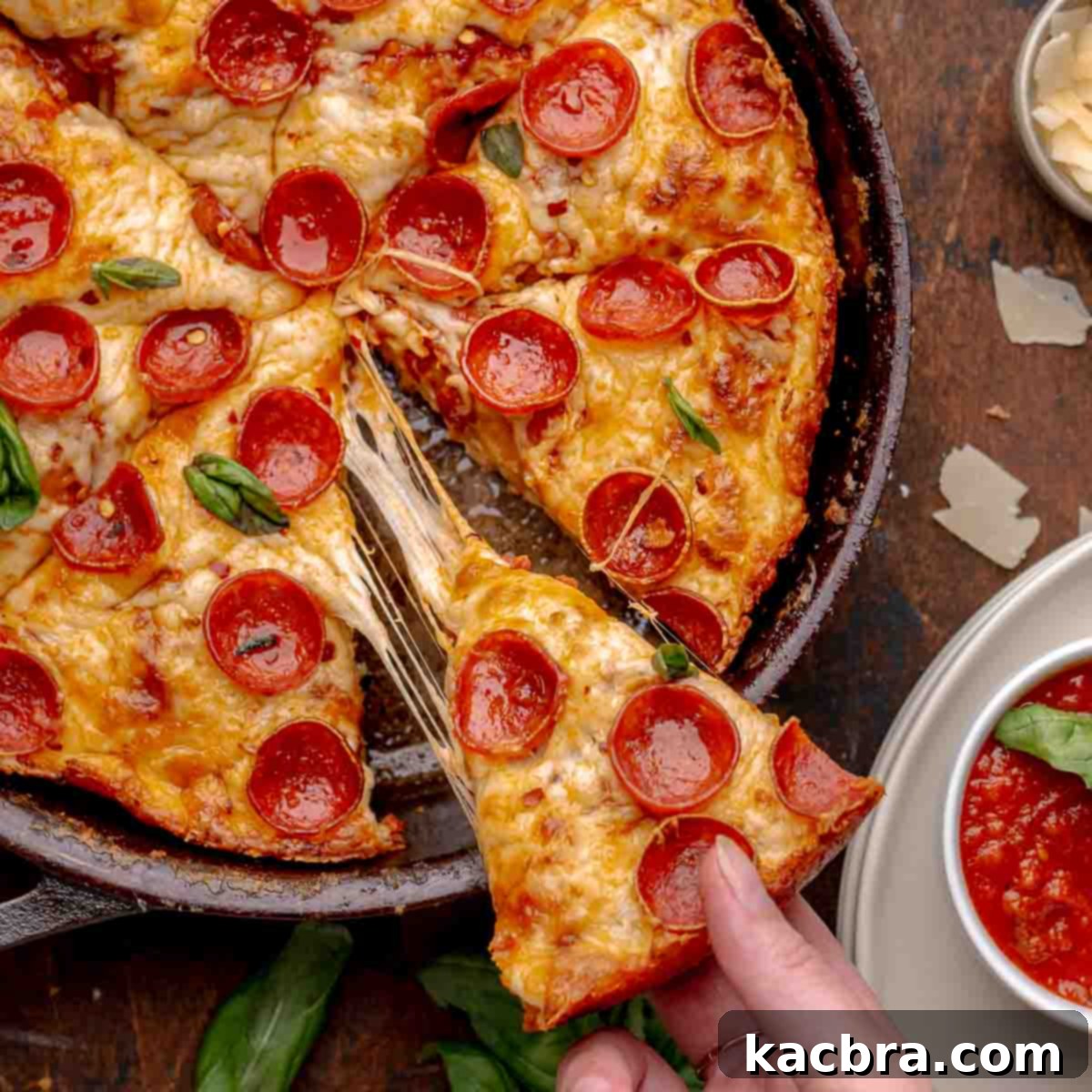
Craving that perfect, crispy-crusted pizza experience without the hassle of a traditional pizza oven or stone? Look no further than this incredible no-knead cast iron pan pizza recipe. This homemade delight boasts a golden-brown, irresistibly crunchy crust, generously topped with melted mozzarella cheese and savory pepperoni. Imagine a classic fast-food pan pizza, but elevated and made right in your own kitchen with fresh ingredients and a simplified process. With versatile rising options designed to fit any schedule, this recipe is guaranteed to become a new favorite for your next pizza night. Prepare to impress your family and friends with a pizza that rivals your favorite pizzeria!
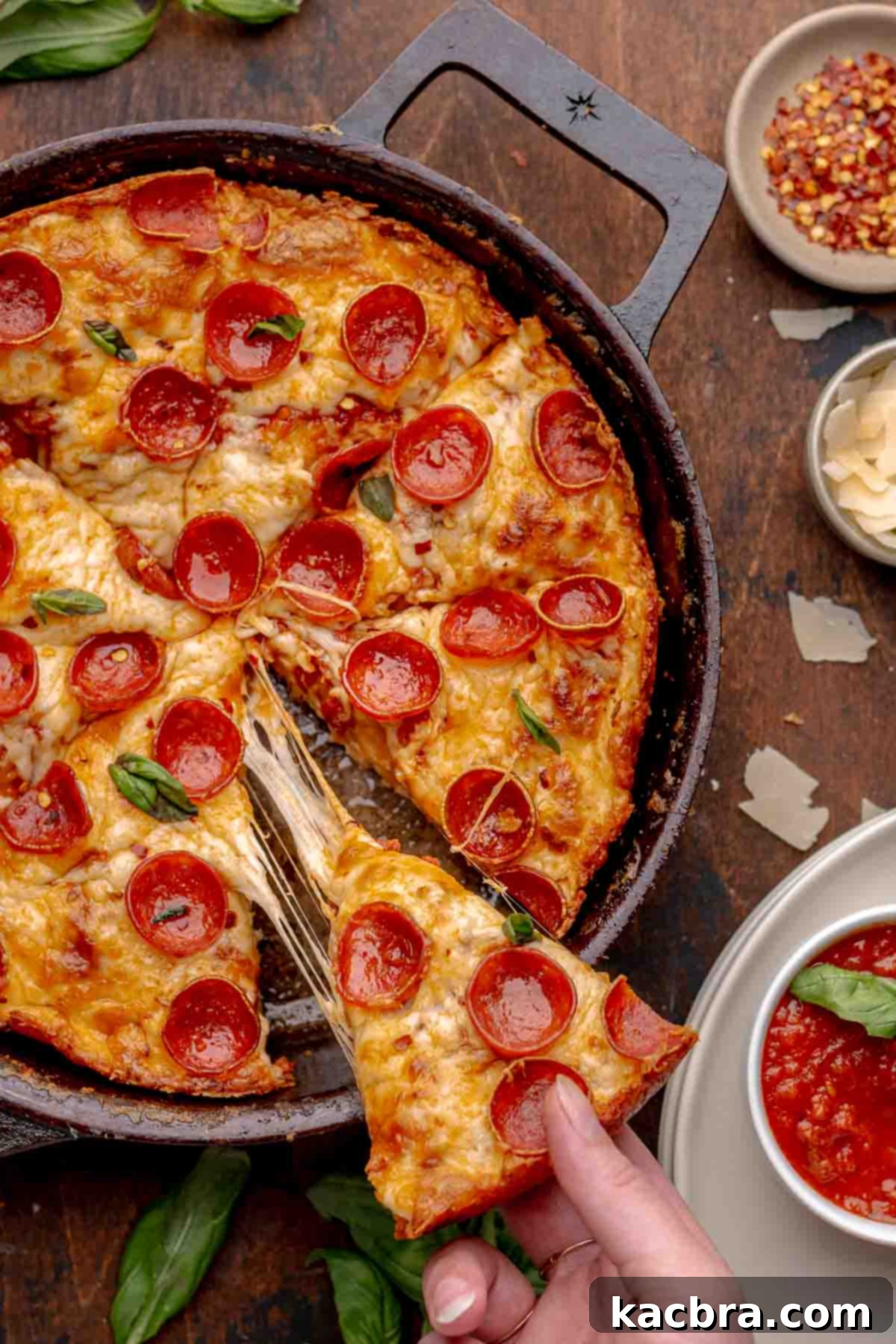
Forget the need for specialized pizza stones or expensive equipment; this recipe ingeniously utilizes a cast iron skillet to achieve unparalleled results. The secret to its success lies in a crucial par-baking step for the dough, which guarantees a super crispy bottom crust every single time, preventing any dreaded sogginess that can occur when loaded with delicious toppings. The inherent heat retention properties of cast iron, combined with a generous layer of olive oil at the pan’s base, work in harmony to create that sought-after crunch.
One of the most celebrated features of pan pizza is its incredible edges. In this recipe, the toppings are spread all the way to the sides of the skillet, allowing the cheese to bubble and crisp up against the hot metal. This creates those coveted browned, savory, and extra-crispy edges that are arguably the best part of any pan pizza slice!
Transform your casual family pizza night into a magnificent Italian feast by serving this show-stopping cast iron pizza alongside an array of complementary dishes. Consider pairing it with some savory pepperoni bread, delightful parmesan bread bites, a refreshing burrata caprese salad, or elegant goat cheese bruschetta. These additions will elevate your meal and create a memorable dining experience for everyone.
Why This Cast Iron Pan Pizza Will Be Your New Favorite
There are countless reasons to fall in love with this cast iron pan pizza, but here are the standout features that make it truly exceptional and a must-try for any pizza enthusiast:
Effortless No-Knead Dough: Say goodbye to vigorous kneading and hello to a truly hands-off approach. This homemade pizza dough is ingeniously adapted from a popular no-knead focaccia recipe, meaning minimal effort for maximum flavor and texture. Instead of traditional kneading, you’ll perform a series of simple stretch and folds, allowing time and natural yeast activity to do all the heavy lifting. The result is a wonderfully airy, fluffy dough with an incredible depth of flavor and a perfect chew that’s surprisingly easy to achieve.
Superior Cast Iron Skillet Performance: Unlike recipes that call for a pizza stone, this pan pizza recipe leverages the exceptional heat retention capabilities of a cast iron skillet. Cast iron heats evenly and maintains high temperatures, which is absolutely critical for developing an ultra-crispy crust that’s golden brown on the bottom and delightfully tender on the inside. This method ensures your pizza cooks beautifully and consistently, making it perfect for home bakers who want professional-level crispness.
Irresistible Cheesy Edges: If you’re a fan of Detroit-style pizza or any pan-baked variety, you know the magic of crispy, caramelized cheese edges. This recipe prioritizes that coveted “frico” effect by instructing you to spread the cheese right to the very edge of the dough and onto the cast iron skillet itself. As the pizza bakes, the cheese against the hot pan crisps up, creating a rich, savory, and incredibly addictive crust that’s packed with flavor and a satisfying crunch. It’s a textural masterpiece that sets this pizza apart.
Essential Ingredients for Your Perfect Pan Pizza
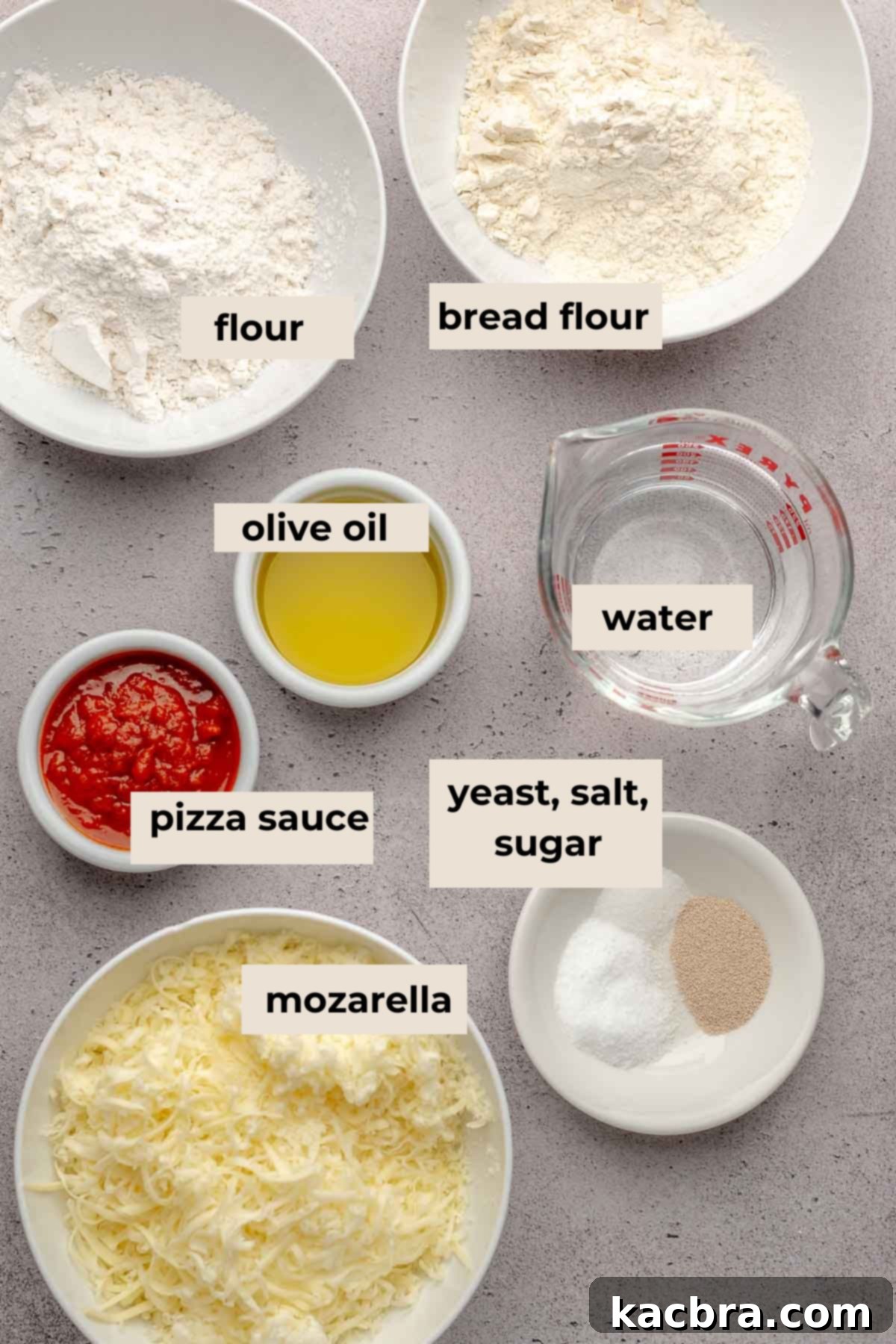
Creating the perfect cast iron pan pizza starts with selecting the right ingredients. Each component plays a vital role in achieving that incredible flavor and texture:
- Instant Yeast: This type of yeast is a game-changer for reducing active preparation time. Unlike active dry yeast, instant yeast can be mixed directly with all the dry ingredients without prior activation, making your dough-making process quicker and simpler. It ensures a consistent and reliable rise for a perfectly airy crust.
- All-Purpose Flour: Used in equal measure with bread flour, all-purpose flour contributes to the dough’s overall structure and tenderness. Its balanced protein content helps create a pizza crust that is both sturdy enough to hold toppings and soft enough for that satisfying bite.
- Bread Flour: This is a key ingredient for achieving that signature chewy texture in your pizza. Bread flour has a higher protein content compared to all-purpose flour, which means it develops more gluten when hydrated. This stronger gluten network gives the dough elasticity and that epic, satisfying chewiness characteristic of artisanal pizza crusts.
- Sugar: Even a small amount of sugar is essential for this recipe. It acts as food for the instant yeast, kickstarting its activity and helping the dough rise beautifully. Additionally, sugar aids in the Maillard reaction during baking, contributing to that desirable golden-brown and crispy crust.
- Extra Virgin Olive Oil: A generous amount of quality extra virgin olive oil is crucial for both flavor and texture. It contributes richness to the dough, keeps it from sticking, and is vital for achieving the ultra-crispy bottom crust in the cast iron pan. I highly recommend using an olive oil with a flavor profile you genuinely enjoy, such as California Ranch olive oils, which offer excellent quality at an affordable price point.
- Pizza Sauce: The foundation of any great pizza, your choice of sauce can make a significant difference. Opt for your favorite jarred pizza or marinara sauce for convenience, or elevate the flavor further by using a homemade sauce. Ensure it’s not too watery to avoid a soggy crust.
- Mozzarella Cheese: For the best melting and stretch, always choose a block of low-moisture mozzarella cheese and shred it yourself. Pre-shredded cheeses often contain anti-caking agents like cellulose, which prevent the cheese from melting smoothly and forming that gooey, bubbly top. It’s very important to avoid fresh mozzarella, as its high moisture content will release excess water during baking, leading to a watery and unappetizing pizza.
Refer to the full recipe card below for precise ingredient quantities and detailed instructions.
Understanding the Delicious World of Pan Pizza
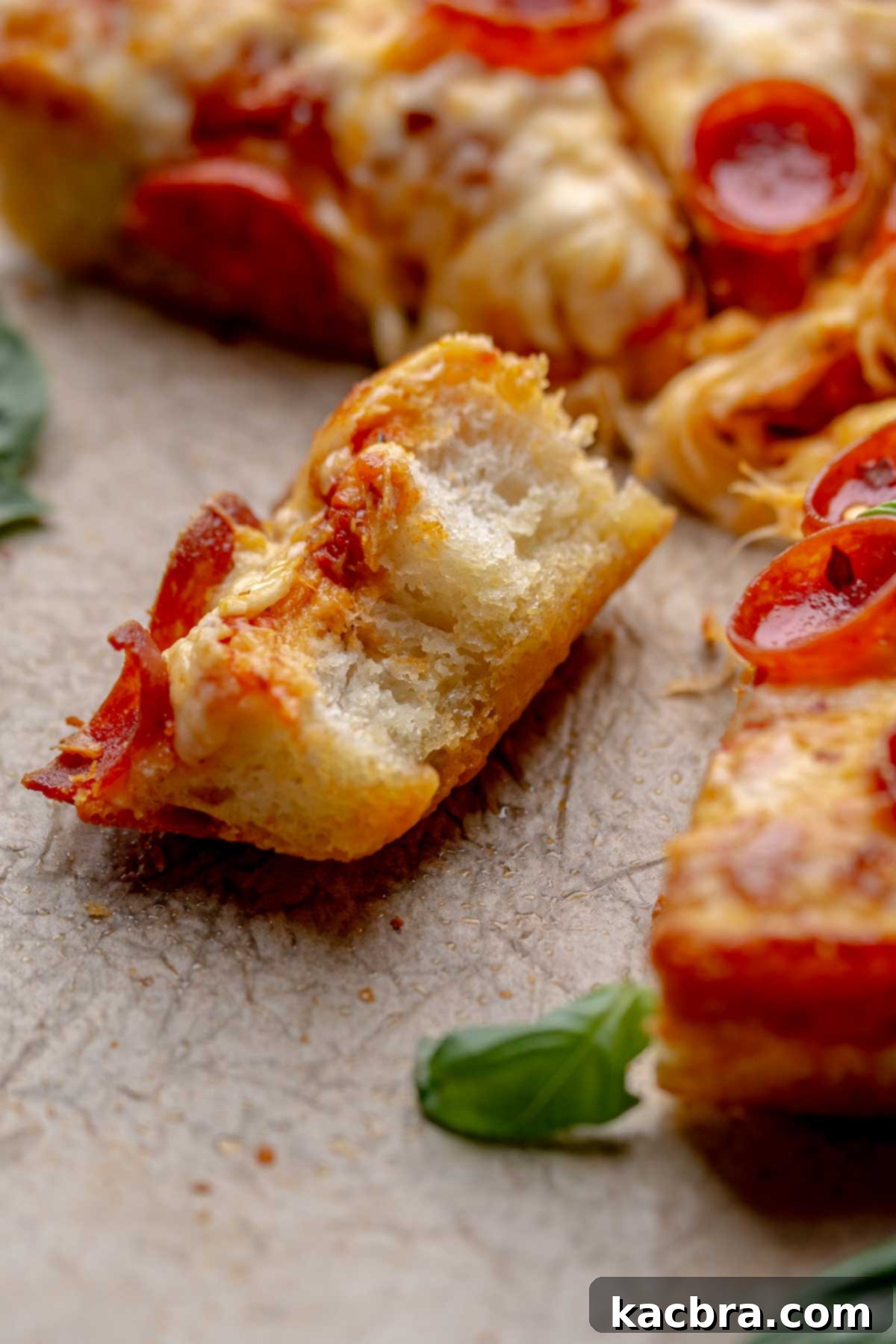
Pan pizza is a distinct and incredibly satisfying style of pizza that stands out from its thin-crust or deep-dish counterparts. It is characterized by its thick, airy, yet wonderfully crispy crust, which is often golden-brown and infused with olive oil from baking in a pan. While many might associate it with popular chains like Pizza Hut’s iconic pan pizza, its characteristics are often compared to the beloved Detroit-style pizza.
At its heart, pan pizza utilizes a focaccia-like dough that achieves its unique texture without any traditional kneading. Instead, this dough relies on a series of “stretch and folds” – a gentle technique commonly employed in artisan bread making, particularly with sourdough. This method develops gluten structure over time, leading to a light, open crumb and a distinctive chewiness, while maintaining that essential crispy exterior.
It’s important to differentiate pan pizza from other well-known styles. It’s not the thin, foldable, and slightly chewy crust you’d find in a New York-style pizza, nor is it the dense, heavily filled pie of a Chicago-style deep dish. Pan pizza carves its own niche, offering a delightful contrast of textures: a substantial, fluffy interior encased in a remarkably crunchy, often cheesy, crust. This unique blend makes it incredibly delicious and, as you’ll discover with this recipe, surprisingly easy to replicate and master in your own kitchen!
Customizing Your Pan Pizza: Substitutions and Creative Variations
One of the joys of homemade pizza is the endless possibility for customization. This cast iron pan pizza recipe is incredibly flexible, allowing you to adapt it to your preferences and available ingredients. Here are some fantastic substitutions and variations to inspire your culinary creativity:
- Dough Rising Options for Your Schedule: Flexibility is key! Be sure to review the dedicated “Dough Rising Options” section below. It offers three distinct methods – room temperature, overnight fridge rise, and a hybrid approach – allowing you to choose the best option to suit your schedule and desired flavor development.
- Adjusting Crust Thickness with Pan Size: This recipe is designed for a specific pan size, but you can easily adjust the crust thickness. For a slightly thinner crust that still retains its signature crispness, consider baking this pizza in a 12-inch cast iron pan instead of the recommended size. Just be mindful of potential adjustments to baking time.
- Alternative Baking Pans: No cast iron skillet? No problem! While a cast iron pan is ideal for the ultimate crispy crust, you can still make a fantastic pan pizza using an 8×8-inch or 9×9-inch metal baking pan. Ensure the pan is well-oiled to prevent sticking and aid in crust development.
- Unleash Your Favorite Toppings: The beauty of pizza is its versatility with toppings. Feel free to use any of your favorite pizza toppings to personalize your pie. However, remember the golden rule: don’t overload the dough. Piling on too many toppings can inhibit proper baking and lead to a soggy center. Aim for a balanced distribution for optimal results.
- Elevate with Hot Honey: For an unexpected and delightful flavor explosion, drizzle a generous amount of hot honey over your finished pizza immediately after baking. The sweet and spicy kick beautifully complements the savory cheese and pepperoni, adding a gourmet touch that will impress everyone.
- Enhance Flavor with Herbs and Spices: To add another layer of traditional Italian-inspired flavor, sprinkle dried oregano and red pepper flakes over your pizza before the final bake. The oregano adds an aromatic depth, while red pepper flakes provide a gentle warmth and zest that elevates the entire experience.
Mastering Your Dough: Flexible Rising Options for Every Schedule
The beauty of this no-knead pizza dough lies in its adaptability. You have several rising options that allow you to fit pizza making seamlessly into your daily routine, whether you need a quick rise or prefer to develop deeper flavors overnight. Choose the method that best suits your schedule:
1. Room Temperature Rise (as written in the main recipe): This is the quickest and most straightforward method, perfect if you’re planning a same-day pizza night. After completing the initial mixing and stretch-and-fold series, you’ll lightly oil and cover the dough. It then rises at room temperature until it has visibly doubled in size, typically within 30 minutes to 1 hour, depending on your kitchen’s warmth. Once doubled, transfer the dough to your prepared cast iron pan, gently press it to the corners, and allow it to undergo a second rise. This final rise, also at room temperature, will take another 30 minutes to 1 hour, resulting in a puffy, jiggly dough that’s ready for baking. This method prioritizes speed and convenience without sacrificing quality.
2. Overnight Fridge Rise (for maximum flavor and flexibility): For those who appreciate a richer, more complex flavor profile and desire ultimate scheduling flexibility, the overnight fridge rise is highly recommended. Once you’ve completed the stretch-and-fold steps, simply cover the dough securely and place it in the refrigerator for at least 12 hours, or up to three days. This slow, cold fermentation significantly enhances the dough’s flavor, creating a more artisanal taste. When you’re ready to bake, remove the dough from the fridge and allow it to come to room temperature for about 1-2 hours while your oven preheats, then proceed with the dimpling and baking steps.
3. Room Temperature Rise First, Refrigerator Second (a hybrid approach): This method offers a fantastic balance between flavor development and practical timing. After mixing and performing the stretch-and-folds, lightly oil and cover the dough, letting it rise at room temperature until it has almost doubled in size (approximately 1 hour). This initial warm rise kickstarts the yeast. Then, gently transfer the dough to your oiled cast iron pan, cover it, and refrigerate it overnight. The cold environment will slow down the fermentation, allowing flavors to deepen gradually. The next day, simply remove the pan from the fridge and remove the plastic wrap while your oven preheats. The dough will continue to relax and warm up, ready for you to dimple and bake.
Pro Tip for Timing Adjustments: If you’re using any of the room temperature rising options and find that you’re not quite ready to bake when the dough is perfectly risen, don’t worry! You can easily slow down the process. Simply cover the dough tightly and place it in the fridge. This will significantly halt the yeast activity, buying you more time until you’re prepared to continue with the next steps.
Creative & Classic Pizza Topping Inspirations
One of the most exciting aspects of making your own cast iron pan pizza is the freedom to get creative with toppings! While classic combinations are always a hit, don’t hesitate to explore new flavor pairings. Here are some fantastic pizza topping ideas to inspire your next culinary masterpiece:
Traditional Favorites: For a tried-and-true experience, stick with classic pizza toppings. Start with a vibrant tomato sauce as your base. Layer on generous amounts of shredded mozzarella, then add your choice of Italian sausage (crumbled and cooked), thinly sliced red onion for a touch of sharpness, and a sprinkle of red pepper flakes for a subtle heat. Finish with a dusting of freshly grated Parmesan cheese after baking for an extra savory kick. For the ultimate “supreme” experience, combine various cooked meats like pepperoni, sausage, and ham with a colorful medley of bell peppers and a blend of Italian herbs.
Modern Twists & Gourmet Options: If you’re feeling adventurous, experiment with more contemporary flavors. Swap out traditional mozzarella for sharp cheddar cheese and pair it with smoky barbecue chicken for a delicious BBQ Chicken Pizza. Instead of classic marinara, spread a vibrant basil pesto as your sauce base, then top with cherry tomatoes, fresh mozzarella balls (added after par-baking to prevent sogginess), and a sprinkle of pine nuts. Other gourmet ideas include caramelized onions, roasted garlic cloves, sun-dried tomatoes, artichoke hearts, or even a drizzle of balsamic glaze after baking.
Vegetarian Delights: A pan pizza is also a fantastic canvas for an array of vegetables. Think roasted mushrooms, spinach (wilted before adding), Kalamata olives, thinly sliced zucchini or eggplant, and a mix of colorful bell peppers. Consider a “white pizza” with a garlic-infused olive oil base, ricotta cheese, and fresh herbs.
Meat Lover’s Extravaganza: Beyond pepperoni and sausage, consider adding cooked bacon bits, thinly sliced prosciutto (added after baking for best texture), meatballs, or even a spicy capicola for a robust and satisfying pizza.
Ultimately, almost any topping you enjoy on other types of pizza will work wonderfully on a hearty and crispy pan pizza. Just remember not to overload the crust to ensure it cooks evenly and maintains its perfect texture!
Step-by-Step Guide: Crafting Your Perfect Cast Iron Pan Pizza
Crafting the No-Knead Pan Pizza Dough
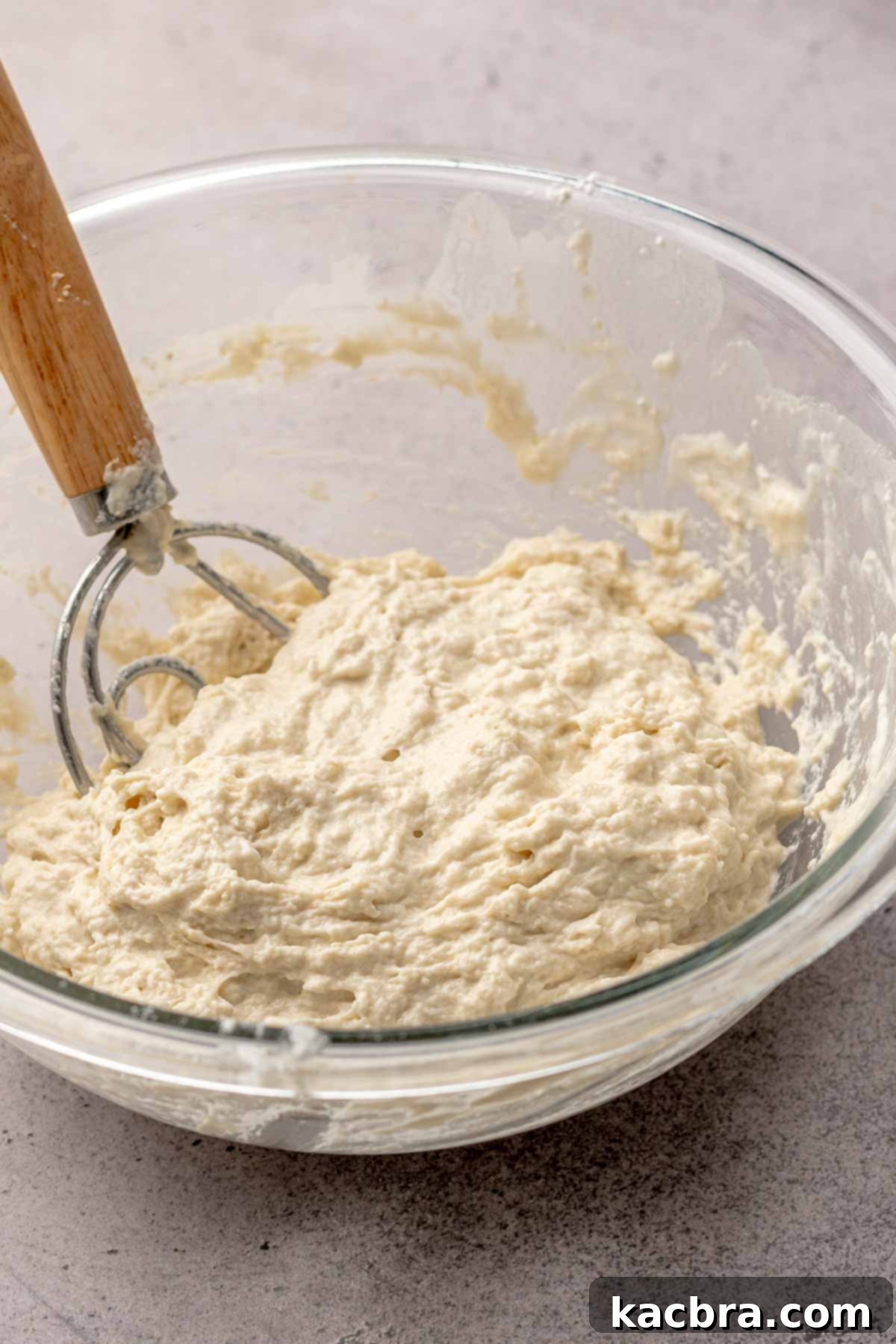
One: In a large mixing bowl, combine the bread flour, all-purpose flour, kosher salt, instant yeast, and sugar. Mix these dry ingredients thoroughly until they are well combined. Then, add the olive oil and lukewarm water. Stir everything together with a dough whisk or a sturdy wooden spoon until all ingredients are completely moistened and no dry pockets of flour remain. Cover the bowl with a clean dish towel and let the dough rest for 5 minutes. This brief rest allows the flour to hydrate and the gluten to begin relaxing.
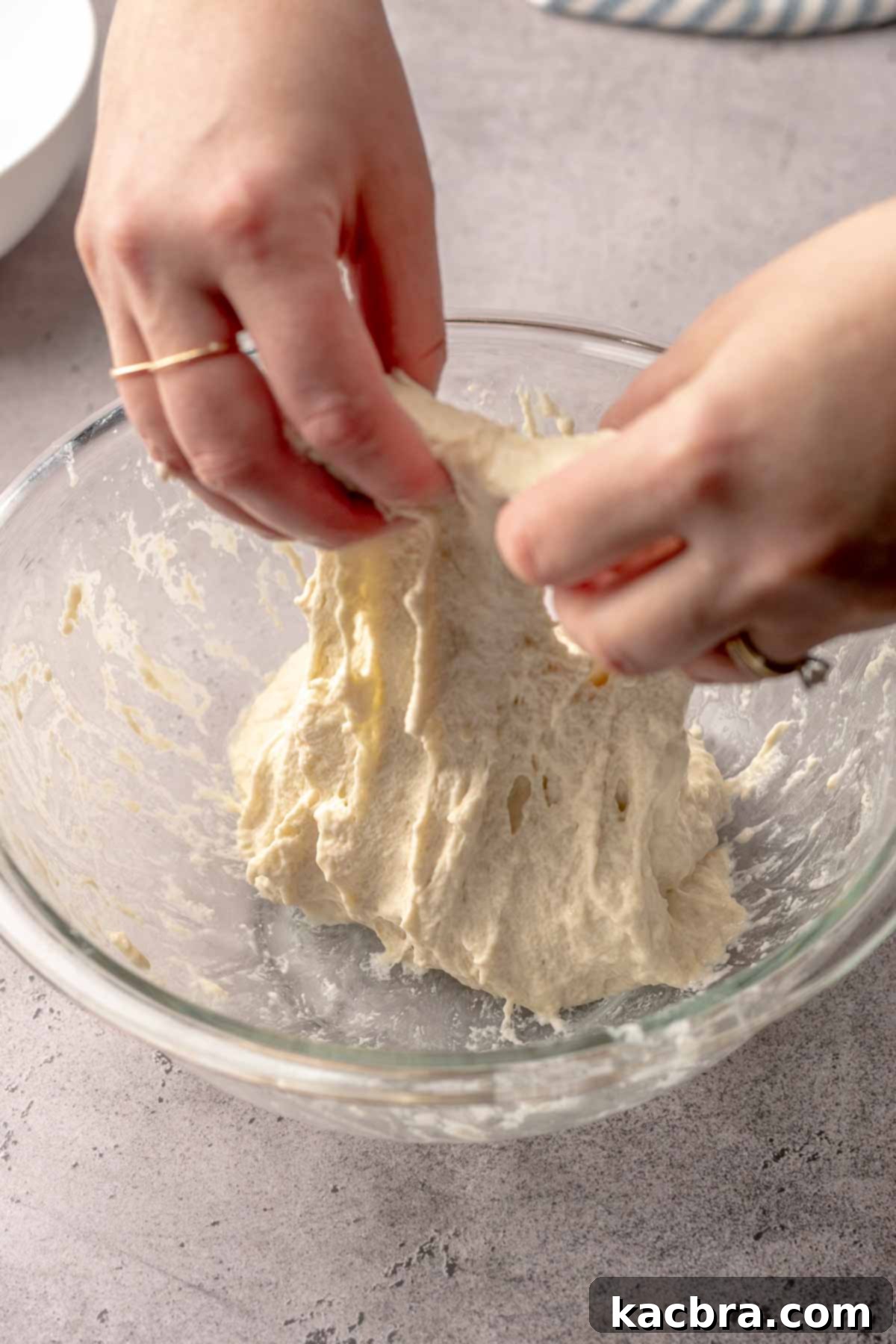
Two: After the initial rest, wet your hands slightly to prevent sticking. Reach halfway under the dough in the bowl, gently scoop it up, and pull it upwards, stretching it as far as it will go without tearing. This movement helps to develop the gluten structure without traditional kneading. Gently wiggle the dough as you pull it to maximize the stretch.
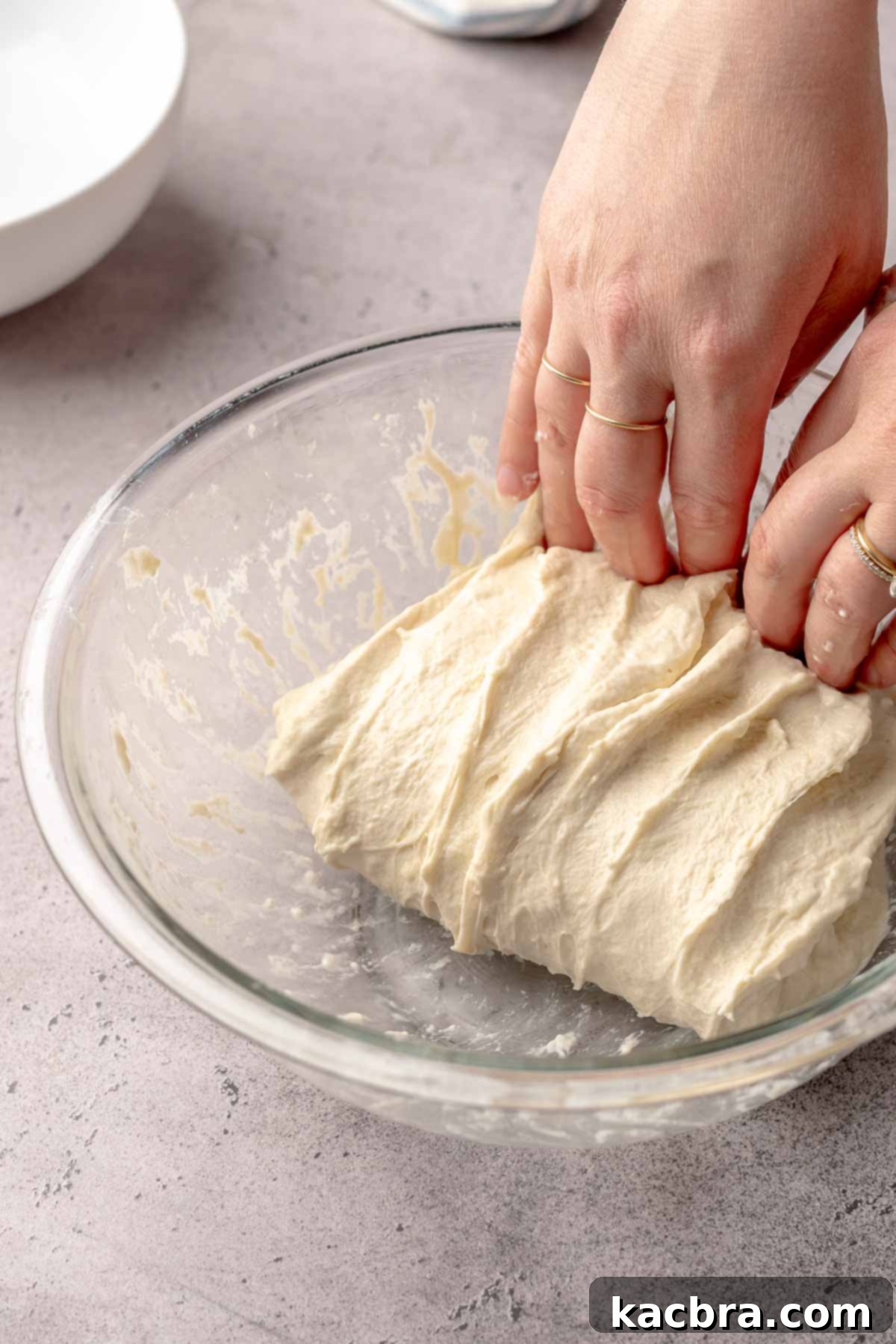
Three: Once stretched, fold the dough over on top of itself, bringing the stretched portion down into the center of the bowl. Then, give the bowl a quarter turn (90 degrees). Repeat the stretch and fold process three more times, turning the bowl after each fold, for a total of four folds. Cover the bowl again with the dish towel and let it rest for another five minutes. This resting period is crucial for the dough to relax and for the gluten to further develop.
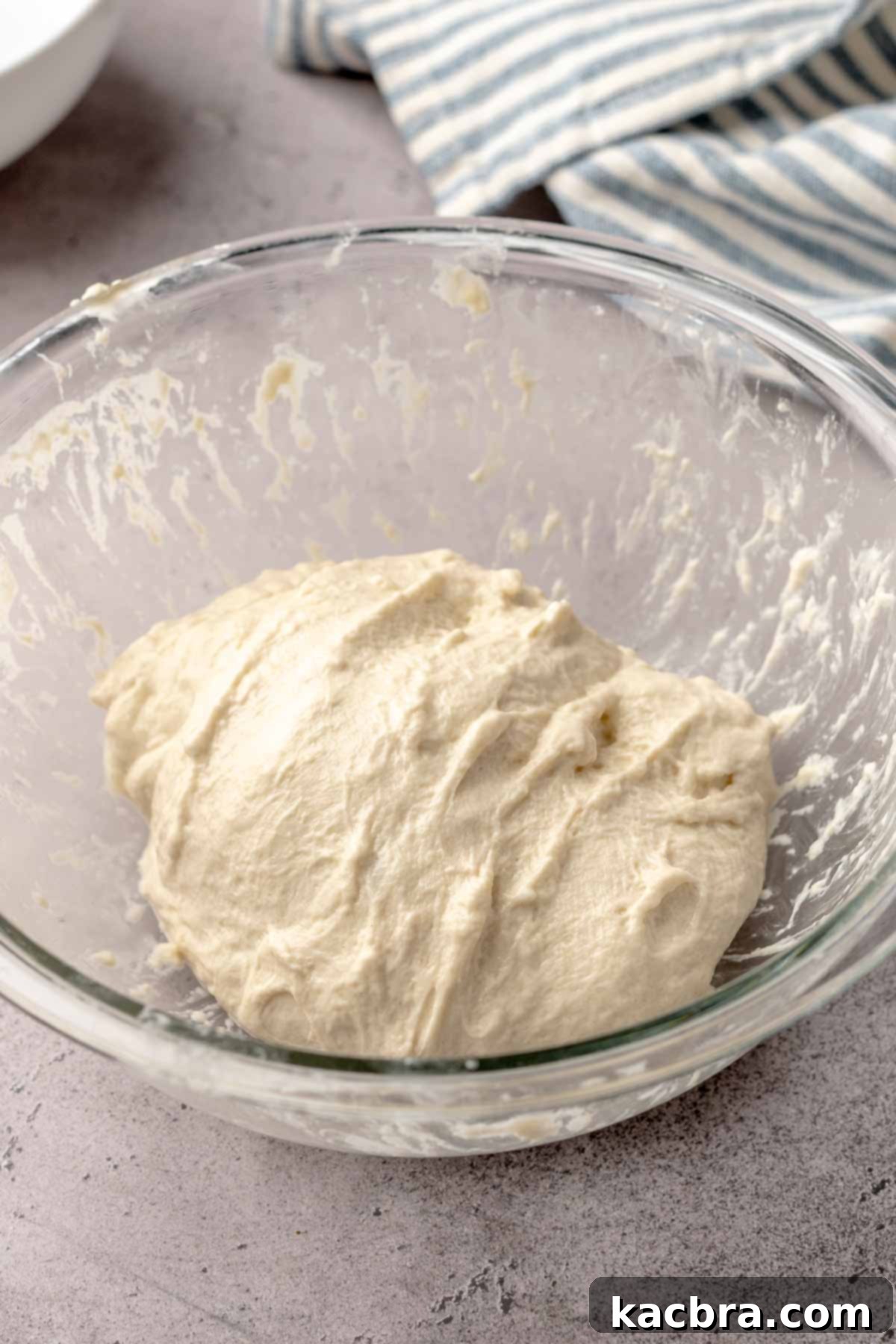
Four: Repeat the entire stretch and fold process (Steps Two and Three) two more times. This means you will perform a total of three series of four stretch and folds, each separated by a 5-minute rest. By the time you reach the last series, you’ll notice a significant change in the dough’s texture – it will be much smoother, more elastic, and easier to stretch, indicating good gluten development.
Hot tip! By the last stretch and fold series, the dough will be much more smooth and easier to stretch, making the process very satisfying. This indicates optimal gluten development.
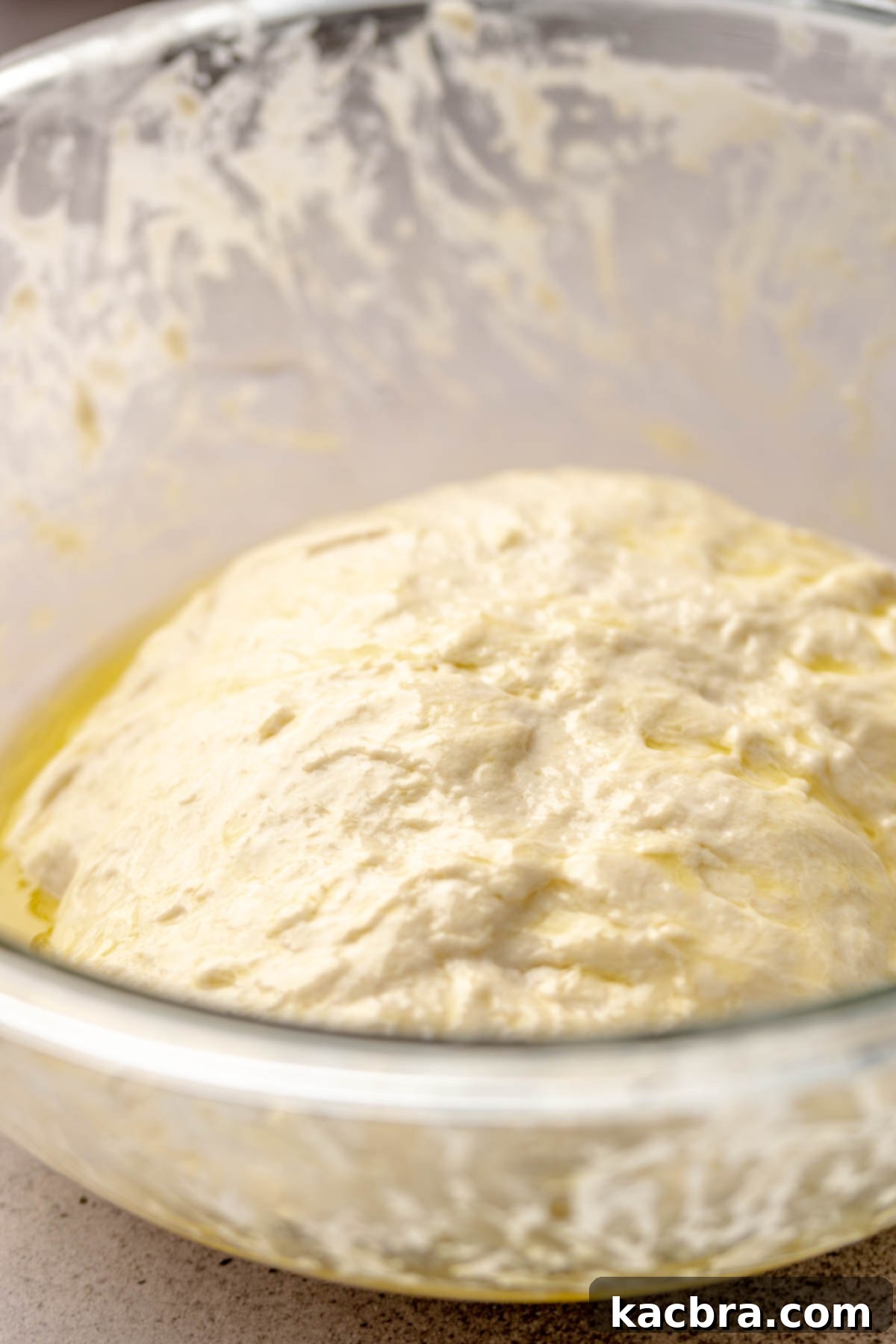
Five: Once all the stretch and folds are complete, drizzle the dough generously with extra virgin olive oil. Gently turn the dough in the bowl, ensuring it is fully coated in the oil. This prevents a skin from forming and adds flavor. Cover the bowl tightly with plastic wrap and let it rise in a warm place until it has visibly doubled in size. This usually takes between 30 minutes to 1 hour, depending on the warmth of your kitchen.
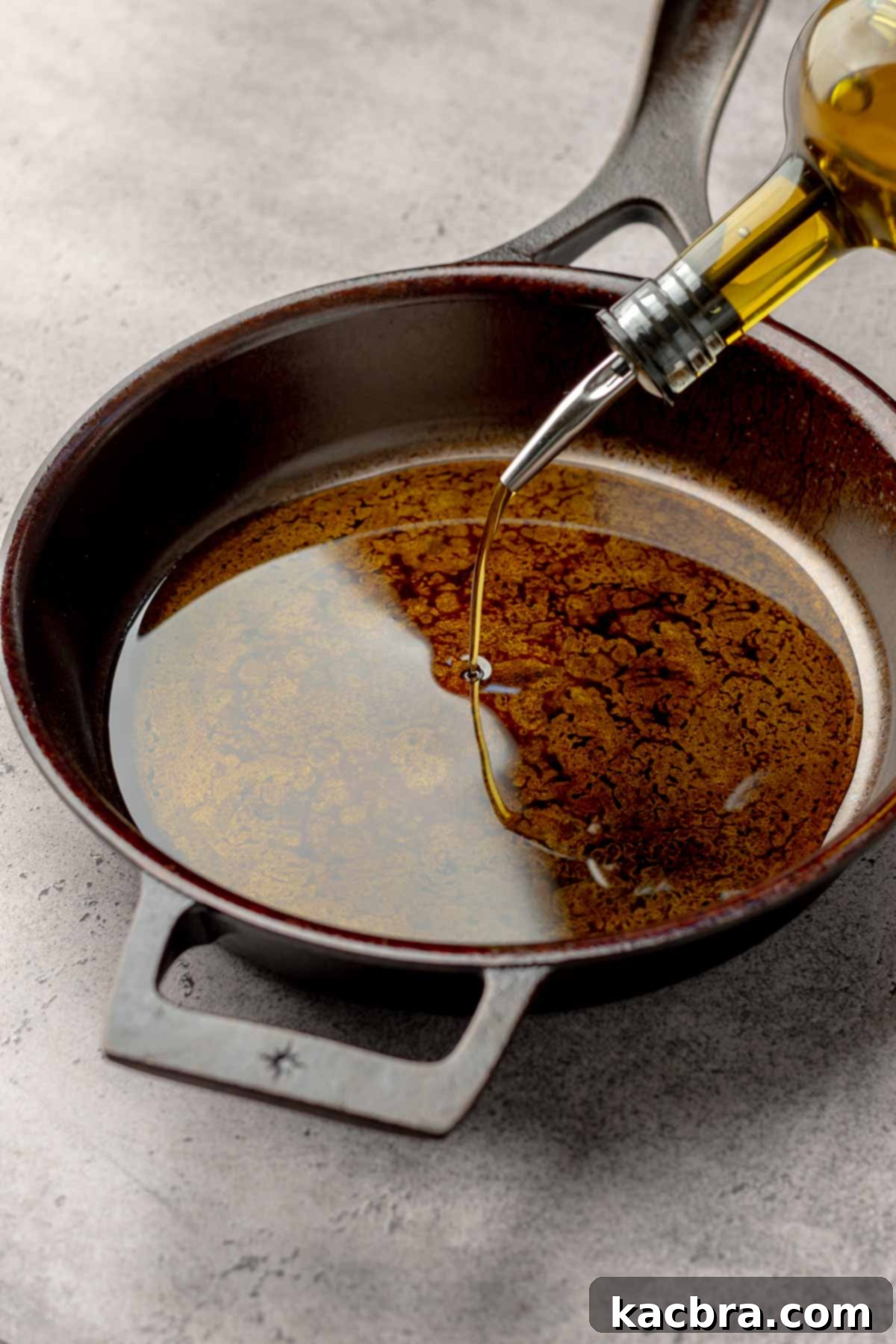
Six: While the dough is completing its first rise, prepare your cast iron pan. Pour a generous amount of olive oil onto the bottom of a 10.5-inch cast iron skillet. Use your fingers or a paper towel to spread the oil evenly across the entire bottom and slightly up the sides of the pan. This layer of oil is crucial for creating that irresistibly crispy crust and preventing the pizza from sticking.
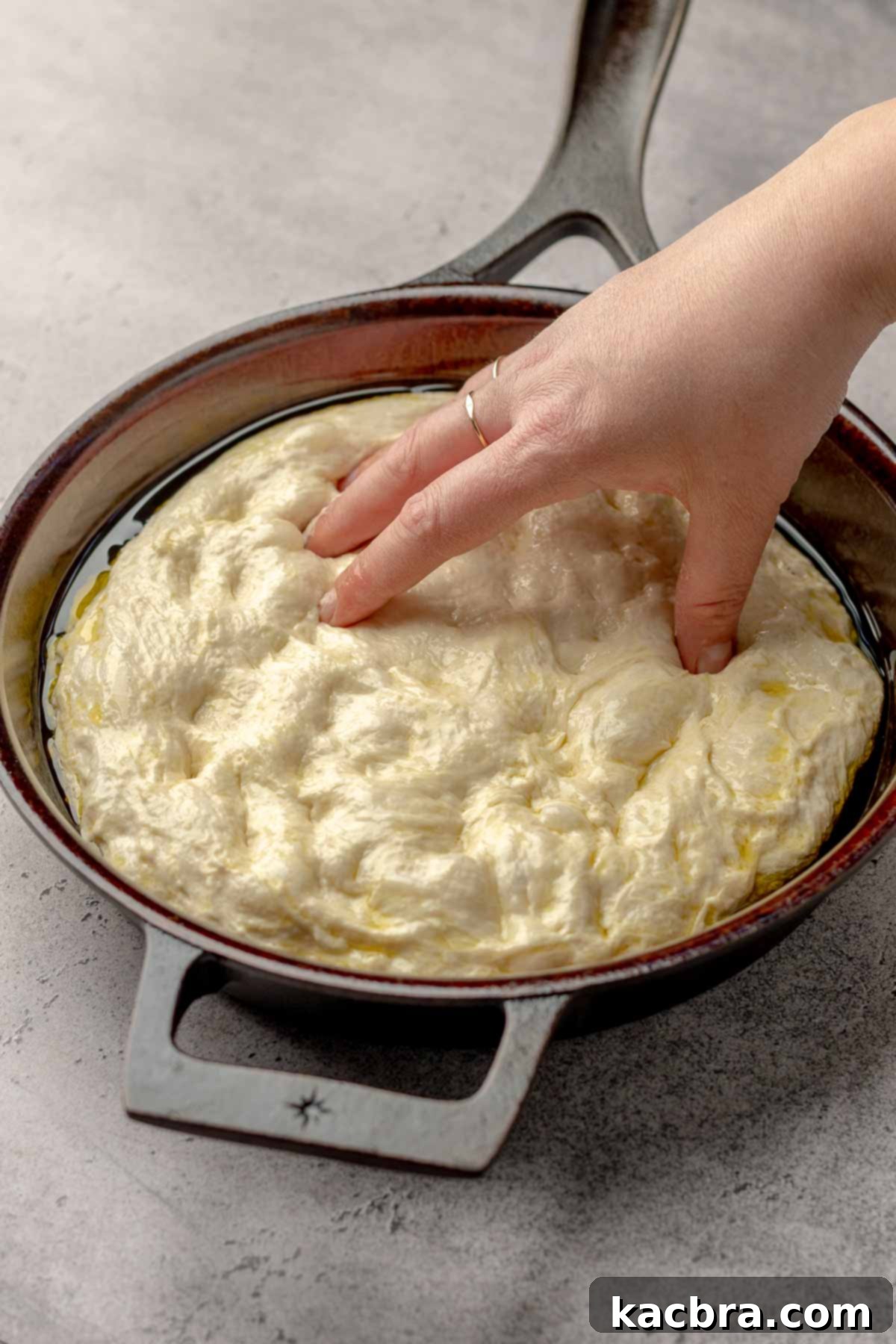
Seven: Once the dough has doubled in size, carefully transfer it into the oiled cast iron pan. You might need to use your fingertips to gently coax the dough from the sides of the bowl. Once in the pan, use your fingers to gently spread the dough outwards towards the edges. Don’t force it if it resists; it may not completely reach the edges yet, and that’s perfectly fine.
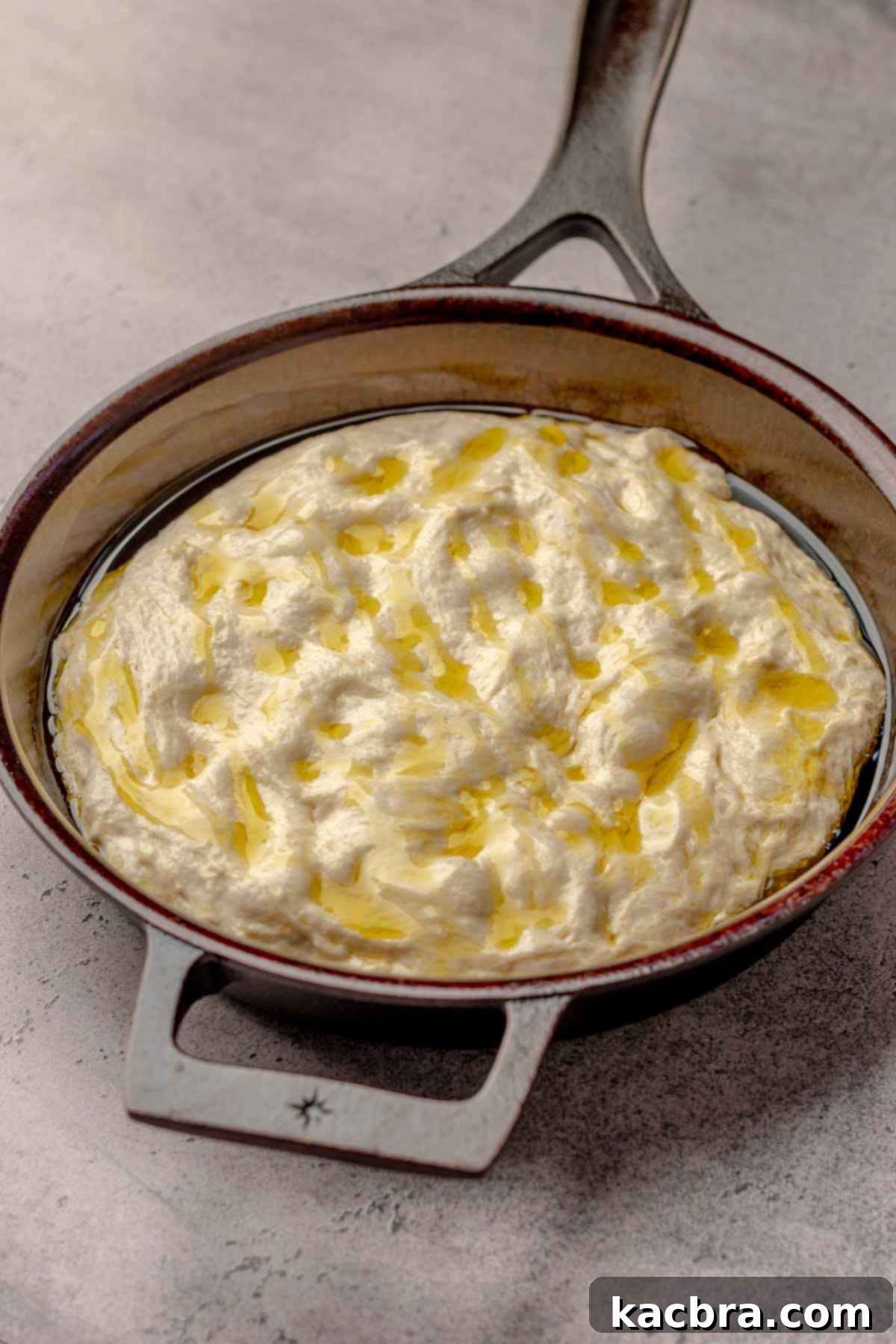
Eight: Drizzle a bit more olive oil over the top of the dough in the pan. This additional oil will prevent the surface from drying out during its second rise and contribute to a beautiful golden crust. Allow the dough to rest again in a relatively warm place (uncovered) for another 30 minutes to 1 hour. During this time, the dough should become puffy and jiggly, expanding to fill the pan completely. A great trick is to place the pan in your oven with just the oven light on (do not turn on the actual oven) to create a perfectly warm environment for rising.
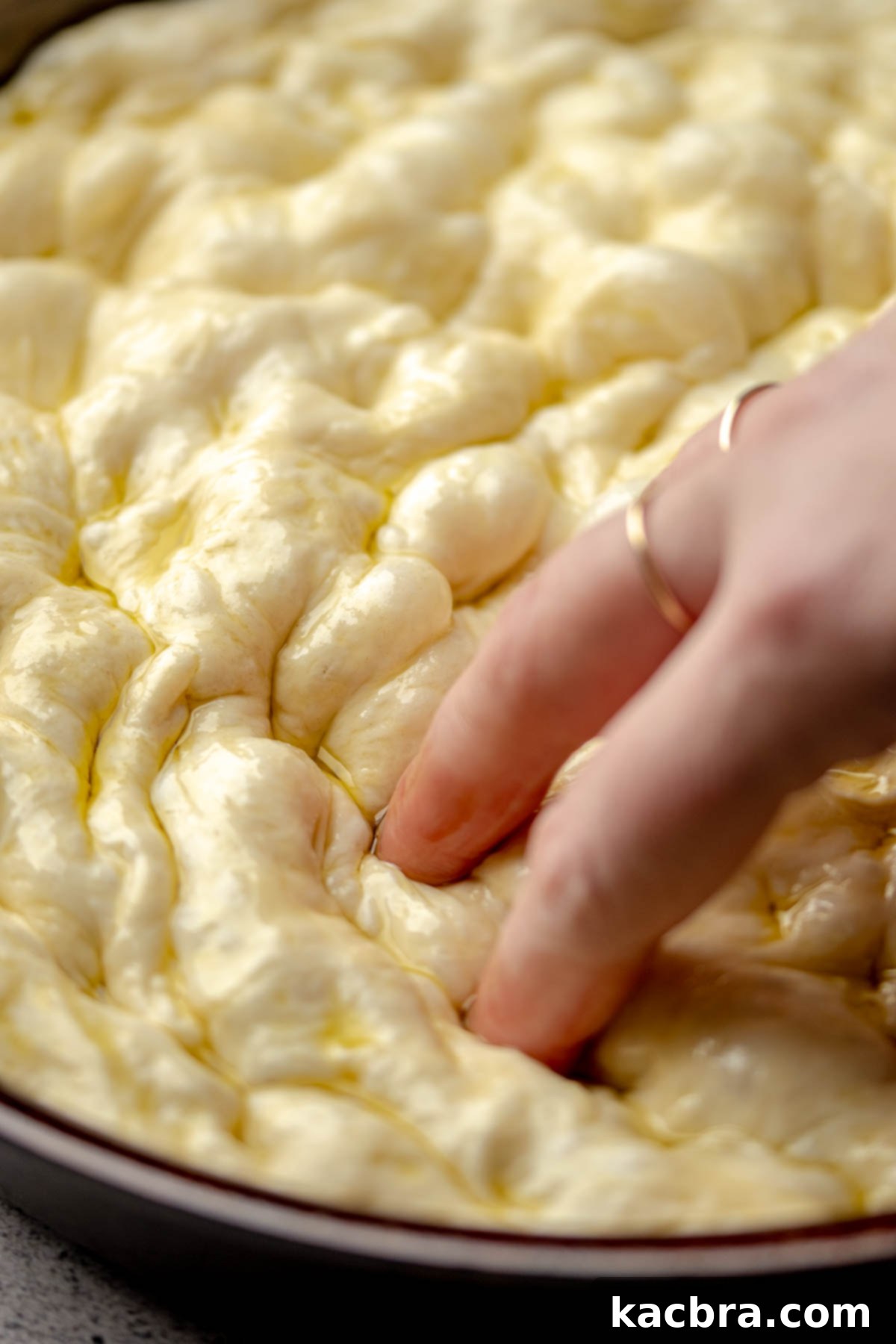
Nine: Once the dough has risen beautifully and filled the pan, preheat your oven to 450°F (230°C). Make sure to remove the dough from the oven if it was rising there! While the oven preheats, use your fingers and thumbs, holding them in a gentle claw shape, to press down firmly to the bottom of the pan and slightly forward, creating dimples all over the dough. This technique helps to evenly distribute air bubbles and ensures a light, airy crumb structure. Allow bubbles to form as you dimple.
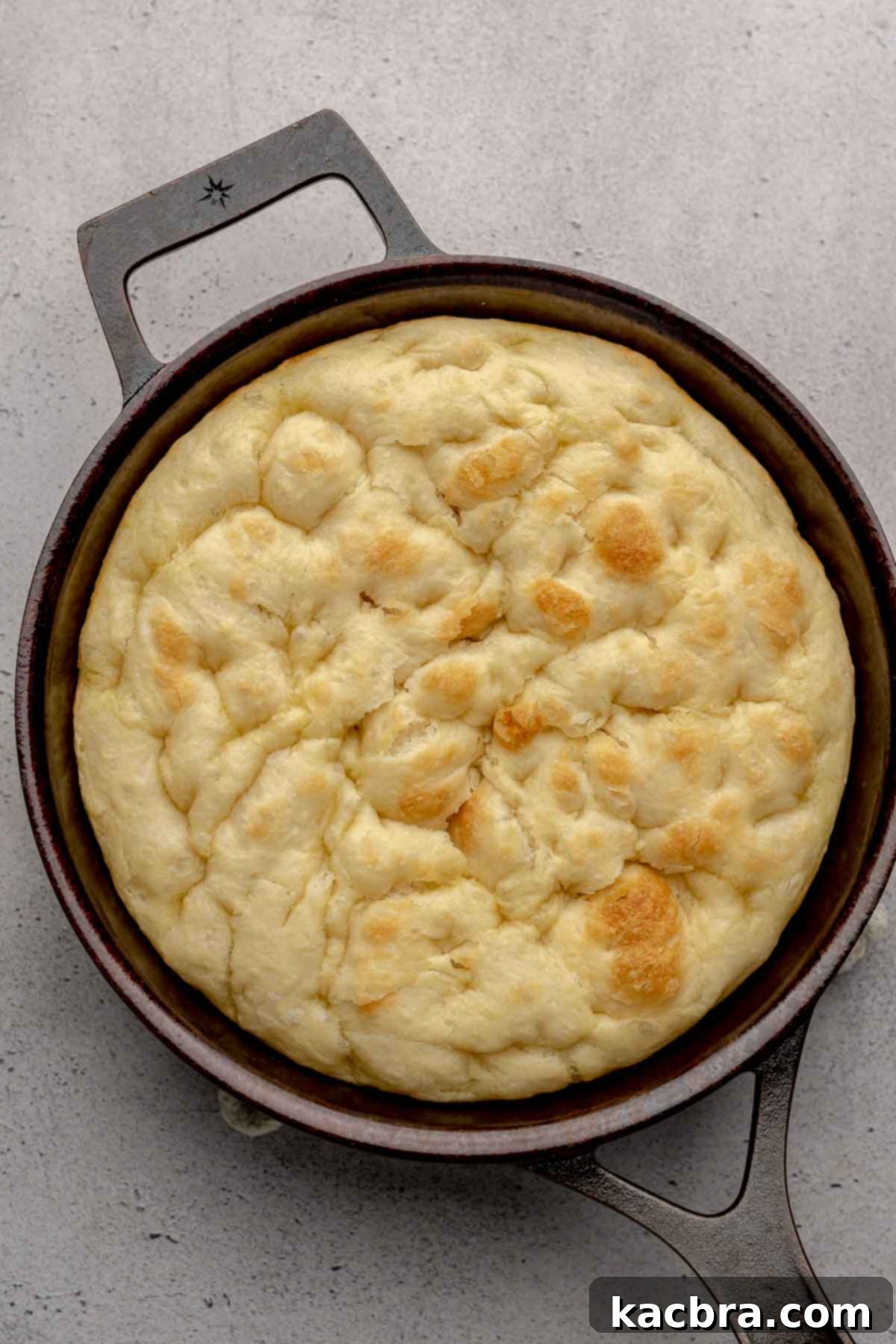
Ten: Once your oven is fully preheated to 450°F, carefully place the cast iron pan with the dimpled dough into the hot oven. Bake the dough for 20 minutes. This crucial par-baking step is key to achieving an incredibly crispy bottom crust and preventing any sogginess once the toppings are added. While the dough is par-baking, this is an excellent time to prepare all your desired pizza toppings.
Assembling and Baking Your Perfect Pan Pizza
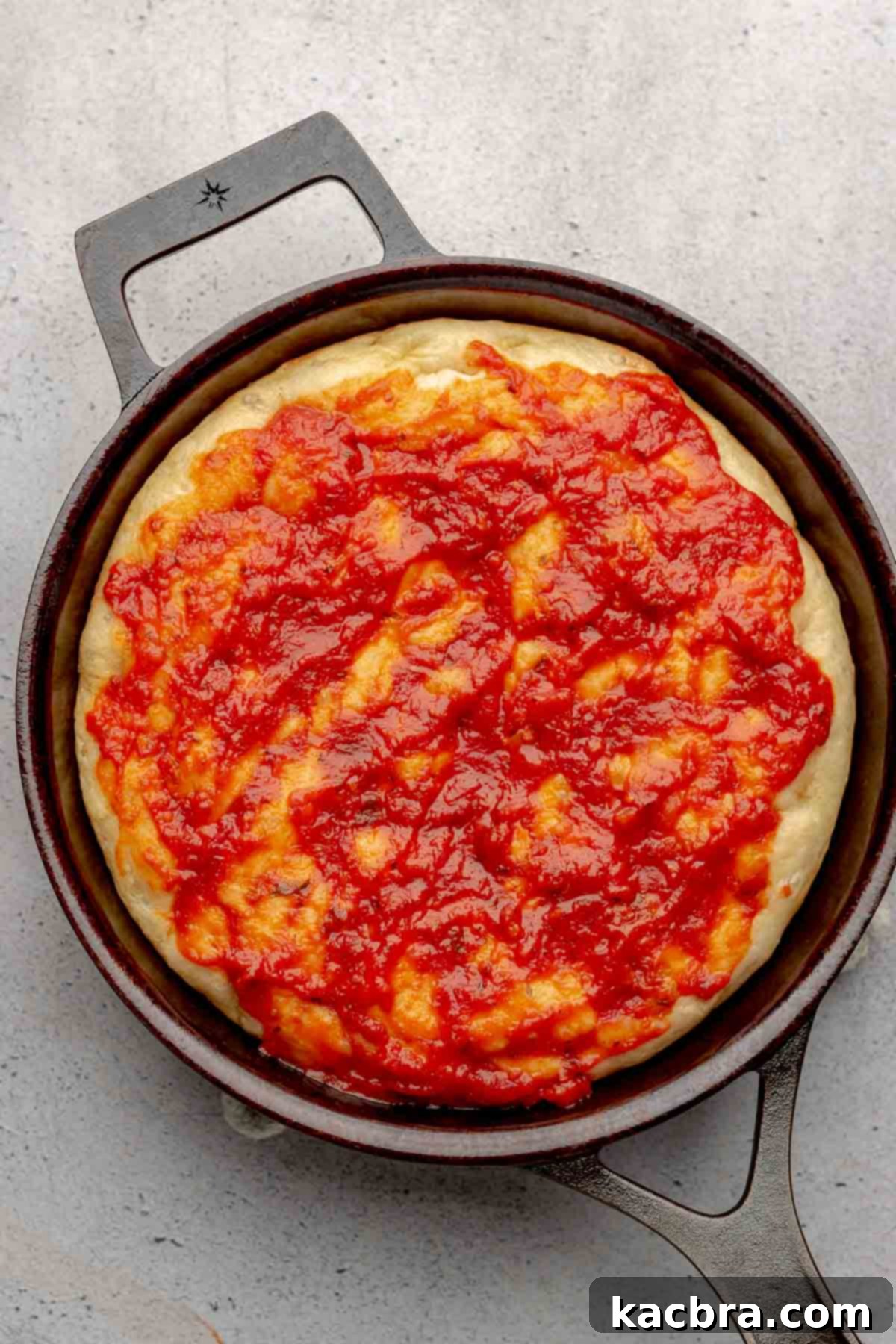
Eleven: After the dough has par-baked for 20 minutes, carefully remove the cast iron pan from the oven. Working quickly, spread your chosen pizza sauce evenly over the par-baked crust. Ensure the sauce goes all the way to the very edges of the dough, preparing the foundation for those delicious crispy edges.
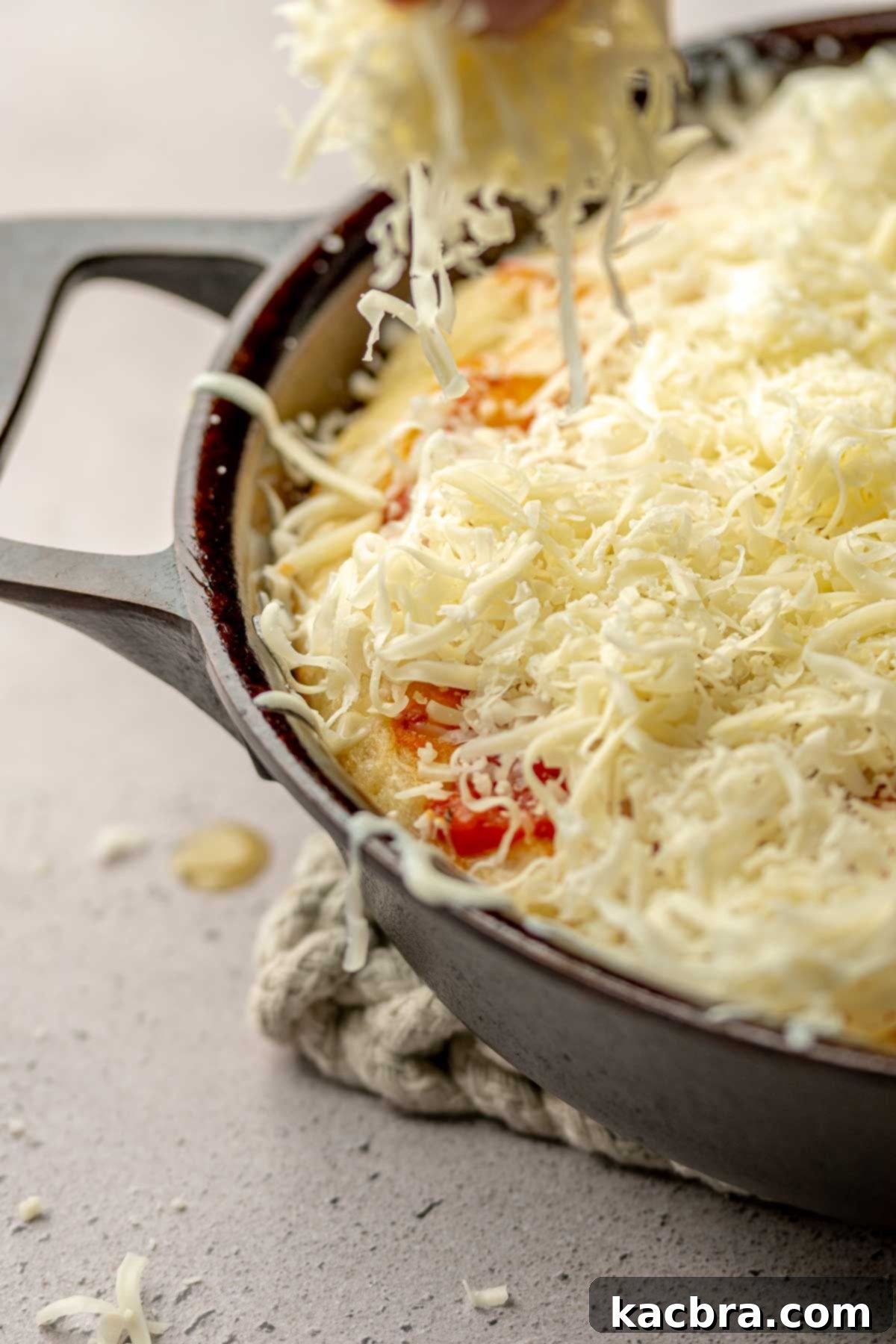
Twelve: Generously cover the sauced pizza with shredded low-moisture mozzarella cheese. This step is crucial for achieving the signature cheesy edges: make sure the cheese extends completely to the very edges of the dough and even slightly onto the cast iron skillet itself. As it bakes, this cheese will crisp up against the hot pan, creating an irresistible savory frico crust.
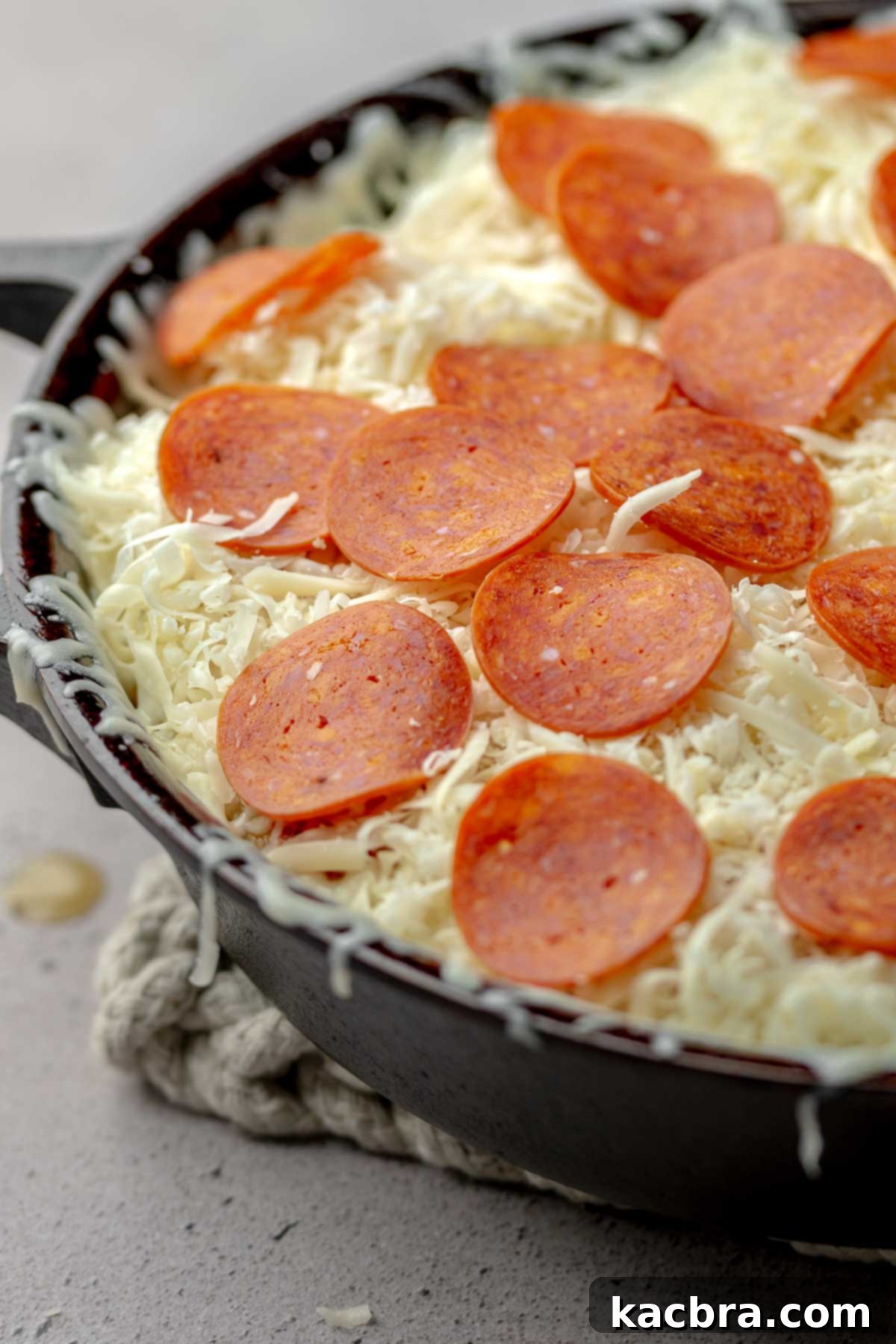
Thirteen: Now it’s time to add any additional desired toppings, such as pepperoni, cooked sausage, or vegetables, distributing them evenly across the cheese. Once topped, return the cast iron pan to the preheated 450°F oven and continue baking for another 10 minutes. During this time, the cheese will melt and become wonderfully bubbly, and the toppings will cook to perfection. For an extra crispy and slightly charred top, you can briefly turn on the broiler on high for 1-2 minutes, but watch it constantly to prevent burning.
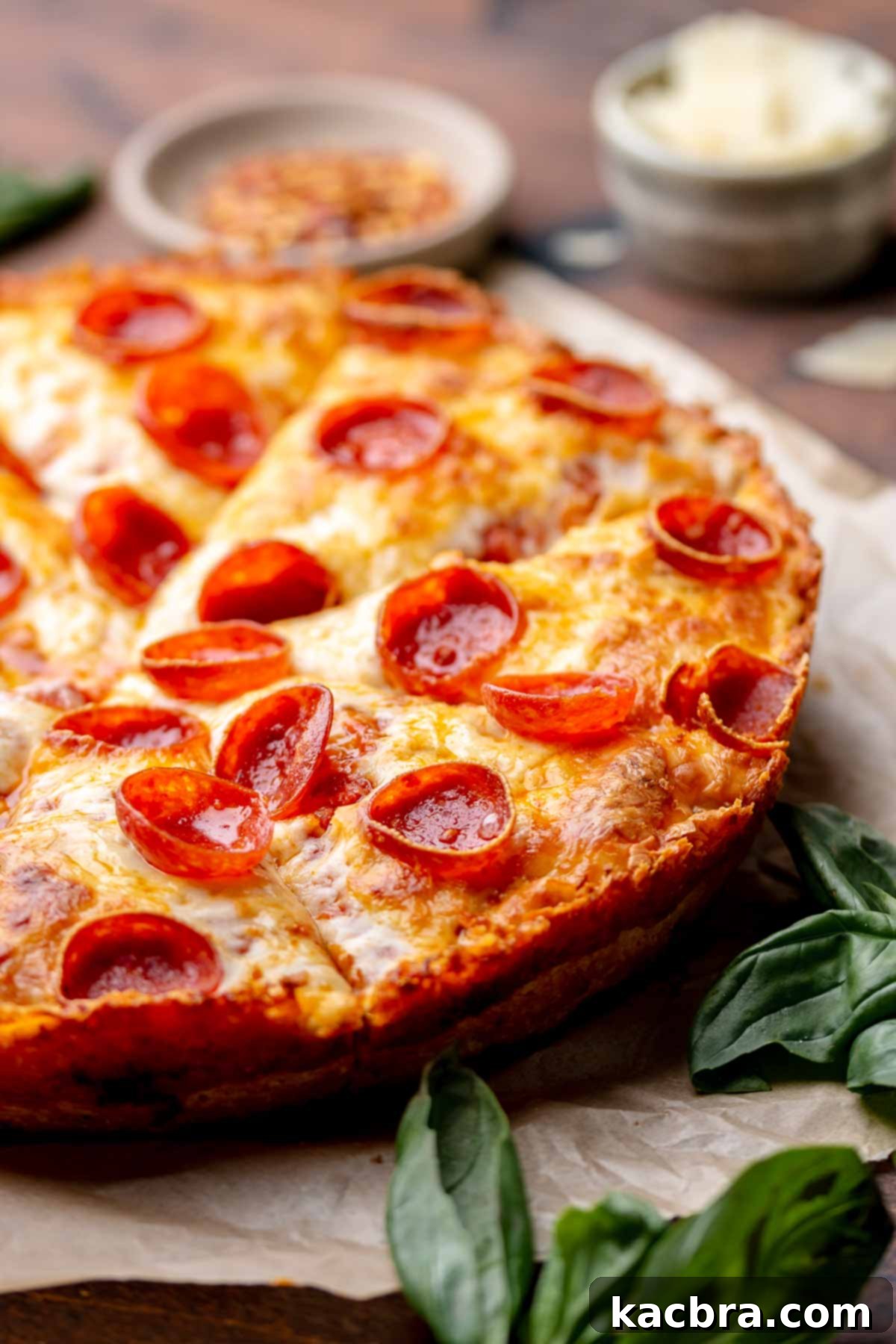
Fourteen: Once the pizza is golden and bubbly, remove it from the oven. Immediately run a thin knife or spatula around the outside edge of the pizza to loosen any cheese that may have stuck to the pan. Then, using a sturdy metal spatula, carefully slide the entire pizza out of the cast iron skillet and transfer it to a wire rack. This quick transfer is essential to prevent the bottom crust from becoming soggy due to trapped steam. Let it cool on the rack for at least 5 minutes before slicing and serving. This resting period allows the cheese to set and ensures cleaner, more stable slices.
Chef’s Secrets: Expert Tips for the Ultimate Cast Iron Pan Pizza
Achieving a truly outstanding cast iron pan pizza involves a few key techniques that can elevate your homemade pie from good to extraordinary. Follow these expert tips for perfect results every time:
- Thorough Oven Preheat is Essential: Always allow your oven to fully preheat to the specified temperature before placing the pizza inside. A properly preheated oven ensures that the cast iron skillet gets scorching hot, which is crucial for instantly crisping the bottom of the dough upon contact, resulting in a perfectly crunchy crust.
- Extend Sauce and Cheese to the Edges: To achieve those highly sought-after crispy, cheesy edges (often called “frico”), make sure to spread your pizza sauce and, most importantly, the shredded mozzarella cheese all the way to the very sides of the pan. As the cheese bakes and melts over the dough’s edge and onto the hot cast iron, it will caramelize and crisp up, creating an incredibly flavorful and textural crust.
- Opt for Low-Moisture, Self-Shredded Mozzarella: The type of mozzarella you use significantly impacts your pizza’s melt. Always choose a block of low-moisture mozzarella cheese and shred it yourself. Pre-shredded varieties typically contain anti-caking agents like cellulose, which prevent the cheese from melting smoothly and becoming that desirable gooey, stretchy layer. Fresh mozzarella contains too much water and will make your pizza soggy.
- Promptly Loosen Any Baked Cheese: Immediately after removing the pizza from the oven, use a thin knife or a metal spatula to carefully run around the entire perimeter of the pizza dough. This action will loosen any melted cheese that may have baked onto the sides of the cast iron pan, making it much easier to remove the pizza cleanly.
- Remove Pizza from Pan Immediately: To preserve the crispness of your bottom crust, it is vital to transfer the pizza out of the cast iron pan within a few minutes of coming out of the oven. Allowing it to sit in the hot pan will cause steam to build up underneath, leading to a soggy crust. Transfer it to a wire rack for proper cooling and air circulation.
- Allow for a Brief Rest Before Slicing: While it might be tempting to cut into your hot, bubbly pizza right away, resist the urge! Let the pizza rest for at least 5 minutes on a cutting board or wire rack before slicing. This short resting period allows the melted cheese and toppings to set, preventing them from sliding off when cut. When you do slice, make quick, decisive cuts with a sharp pizza roller or knife for clean, perfect slices.
Common Questions About Cast Iron Pan Pizza
How do you prevent pizza from sticking to a cast iron pan?
The key to preventing sticking is ensuring your cast iron pan is properly seasoned and generously oiled before adding the dough. A well-seasoned pan creates a natural non-stick surface, and a sufficient layer of olive oil further enhances this effect while also contributing to the crispy crust.
Why is cast iron an ideal choice for baking pizza?
Cast iron is an excellent material for pizza because of its superior heat retention and even heat distribution properties. It gets incredibly hot and maintains that heat consistently, which is essential for developing a super crispy crust and achieving those coveted ultra-crispy, caramelized edges that are a hallmark of delicious pan pizza.
Is it necessary to preheat my cast iron pan before making pizza?
For this specific recipe, preheating the cast iron pan on the stovetop is not required. The dough undergoes its second rise directly in the pan, and the oven will get the cast iron hot enough during the par-baking phase to sufficiently crisp up the dough’s bottom and sides. The important thing is ensuring your oven is fully preheated.
Storage Solutions for Leftover Pizza
To enjoy your delicious cast iron pan pizza leftovers, ensure proper storage. Individual pizza slices can be wrapped tightly in plastic wrap or aluminum foil, then placed in an airtight container. Store the pizza in the refrigerator for up to 5 days, maintaining its freshness and flavor. For longer storage, slices can be wrapped and transferred to a sealed freezer-safe container or bag, where they will keep well for up to three months. This allows you to enjoy homemade pizza whenever a craving strikes!
The Best Way to Reheat Pan Pizza for Optimal Crispness
Reheating pizza often results in a soggy mess, but not with this cast iron pan method! To perfectly reheat your pan pizza and revive its crispy texture, place the cold slices directly into a cast iron pan. Transfer the pan to a preheated 400°F (200°C) oven and bake for 5-10 minutes, or until the cheese is hot and bubbly and the crust has regained its crispness. This method ensures both the bottom and sides crisp up beautifully, just like when it was freshly baked.
If reheating from frozen, there’s no need to thaw the pizza first. Simply add the frozen slices directly to the cast iron pan in the preheated oven. You’ll just need to extend the baking time by a few extra minutes (typically 10-15 minutes total) to ensure the pizza is thoroughly heated through and the cheese is melted and bubbly.
More Irresistible Cheesy Recipes You’ll Love
- Pimento Cheese Filled Pretzels
- Puff Pastry Tomato Tart with Ricotta and Feta Cheese
- Flaky Ham and Cheese Puff Pastry
- Soft Pretzels and Beer Cheese Dip
Important Notes for Cooking with The Cozy Plum
- All recipes developed by The Cozy Plum utilize Diamond Crystal kosher salt, which is known as the least salty variety of kosher salt. If you choose to use Morton’s kosher salt or sea salt, you will need to reduce the amount of salt by half, as these varieties are approximately twice as salty. Please avoid using standard table salt.
- For the most accurate and consistent baking results, we highly recommend measuring ingredients by weight using a digital kitchen scale. While recipes may offer cup measurements, baking by weight is always superior for precision.
- This recipe is scalable. While adjustments to ingredient quantities can be made, please note that baking times may vary and are not automatically adjusted. Always monitor your pizza for doneness.
- If you wish to bake this recipe in a different sized pan than specified, you can utilize an online pan size converter to adjust the ingredients accordingly.
📖 Cast Iron Pan Pizza Recipe
Cast Iron Pan Pizza
Callan Wenner
📌Pin Recipe
Equipment
- 10.5″ cast iron skillet
- Large mixing bowl
- dough whisk or wooden spoon
Ingredients
Dough
- 1 ⅓ cups bread flour
- 1 ⅓ cups all-purpose flour
- 2 teaspoons kosher salt
- 1 teaspoon instant yeast
- ½ teaspoon sugar
- 1 tablespoon extra virgin olive oil plus more for coating
- 1 ¼ cups lukewarm water about 110℉
Toppings
- ½ cup pizza sauce
- 2 cups shredded mozzarella cheese low moisture, shred your own
- 15-20 slices pepperoni
Instructions
- In a large bowl, mix together the bread flour, all-purpose flour, salt, instant yeast, and sugar.
- Add the olive oil and lukewarm water to the dry ingredients.
- Use a dough whisk or wooden spoon to mix the dough completely until no dry bits remain and a shaggy dough forms.
- Cover the bowl with a dish towel and let it rest for 5 minutes, allowing the dough to relax and hydrate.
- Wet your hands slightly. Reach halfway under the dough, lift it up, and pull it towards you, folding the dough over itself (imagine pulling from 12 o’clock to 6 o’clock).
- Turn the bowl a quarter turn (90 degrees) and repeat the fold. Perform this turning and folding two more times (for a total of 4 folds in this series). Cover the bowl and rest for another 5 minutes.
- Repeat the 4 folds and 5-minute rest. Then, repeat one more time for a total of 3 complete folding series. By the last series, the dough will be much smoother and more elastic.
- Drizzle the dough with extra virgin olive oil and turn it in the bowl until it is fully coated. Cover the bowl tightly with plastic wrap and let it rise in a warm place until doubled in size (typically 30 minutes to 1 hour).
- Generously oil a 10.5-inch cast iron skillet. Gently turn the risen dough out into the pan. Use the tips of your fingers to help release the dough from the sides of the bowl if it sticks.
- Use your fingers to gently push and spread the dough towards the sides of the pan. It may not reach the edges immediately. Drizzle with a bit more olive oil over the top to prevent it from drying out.
- Allow the dough to sit in a relatively warm place (uncovered) for another 30 minutes to 1 hour, until it is puffy, jiggly, and has filled the pan. For an ideal warm environment, you can place the pan in your oven with only the oven light on (do not turn on the actual oven).
- Once the dough has risen, preheat your oven to 450°F (230°C). If the dough was rising in the oven, remove it before preheating.
- Use your fingers and thumbs (in a claw formation) to press down firmly to the bottom of the pan and slightly forward. Repeat this dimpling motion all over the dough, allowing air bubbles to form on the surface.
- Bake the dimpled dough in the preheated 450°F oven for 20 minutes. This par-baking step creates a crispy base.
- Remove the par-baked dough from the oven. Working quickly, spread the pizza sauce evenly, followed by the shredded mozzarella cheese and any additional desired toppings, ensuring everything extends to the very edges of the crust.
- Return the pizza to the oven and bake for another 10 minutes, or until the cheese is beautifully melted and bubbly. For an extra crisp top, you can turn the broiler on high for 1-2 minutes, but watch it very closely to prevent burning.
- Once baked, immediately run a knife around the outside edge of the pizza dough to loosen any melted cheese stuck to the pan. Then, use a sturdy spatula to carefully remove the entire pizza from the cast iron skillet and transfer it to a wire rack to cool. This must be done within a few minutes to prevent the bottom crust from becoming soggy due to trapped steam.
- Allow the pizza to cool on the wire rack for at least 5 minutes before transferring it to a cutting board. Slice into desired pieces and serve hot.
Video
Notes
For longer storage, pizza slices can be individually wrapped in plastic wrap, then placed into a sealed container or freezer bag and frozen for up to three months. To reheat from frozen, unwrap completely and follow the reheating instructions above, adding a few extra minutes to the bake time as necessary to ensure it’s fully heated through.
Don’t forget to check out the “Dough Rising Options” section in the full blog post for alternative methods to best suit your schedule and enhance flavor!
Carbohydrates: 34g
Protein: 13g
Fat: 11g
Saturated Fat: 5g
Polyunsaturated Fat: 1g
Monounsaturated Fat: 4g
Trans Fat: 0.1g
Cholesterol: 26mg
Sodium: 894mg
Potassium: 136mg
Fiber: 2g
Sugar: 1g
Vitamin A: 260IU
Vitamin C: 1mg
Calcium: 153mg
Iron: 2mg
The provided nutritional information is an estimate per serving. Accuracy is not guaranteed.
Did you make this recipe? Share it with us! Tag @thecozyplum on Instagram & Facebook and leave a star rating ⭐️ below!
Come Bake With Us!
Receive updates on new recipes, tips and tricks used in the TCP Kitchen, seasonal suggestions, and recipe sneak peeks!
We won’t send you spam. Unsubscribe at any time.