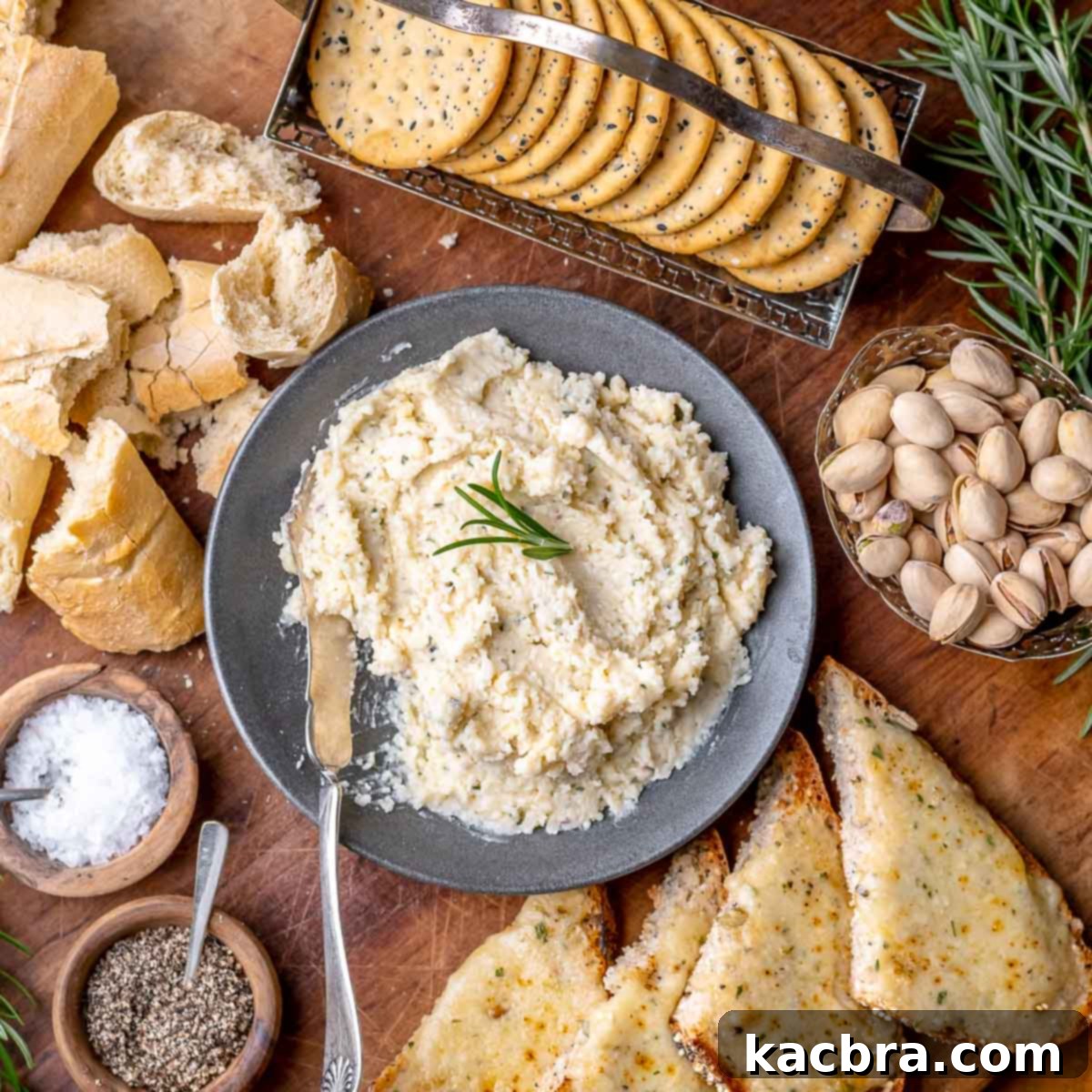
Fromage Fort: The Ultimate Guide to Crafting a Versatile French Cheese Spread
Fromage fort, a delightful French term meaning “strong cheese,” offers a brilliant, budget-friendly, and utterly delicious solution for utilizing leftover cheeses. This traditional spread transforms an assortment of cheese remnants, herbs, and a touch of white wine into a rich, creamy concoction that can be savored hot or cold. Its inherent versatility means that no two batches are ever exactly alike, inviting you to experiment with diverse cheese combinations and aromatic herbs to create a uniquely personalized flavor profile every single time.
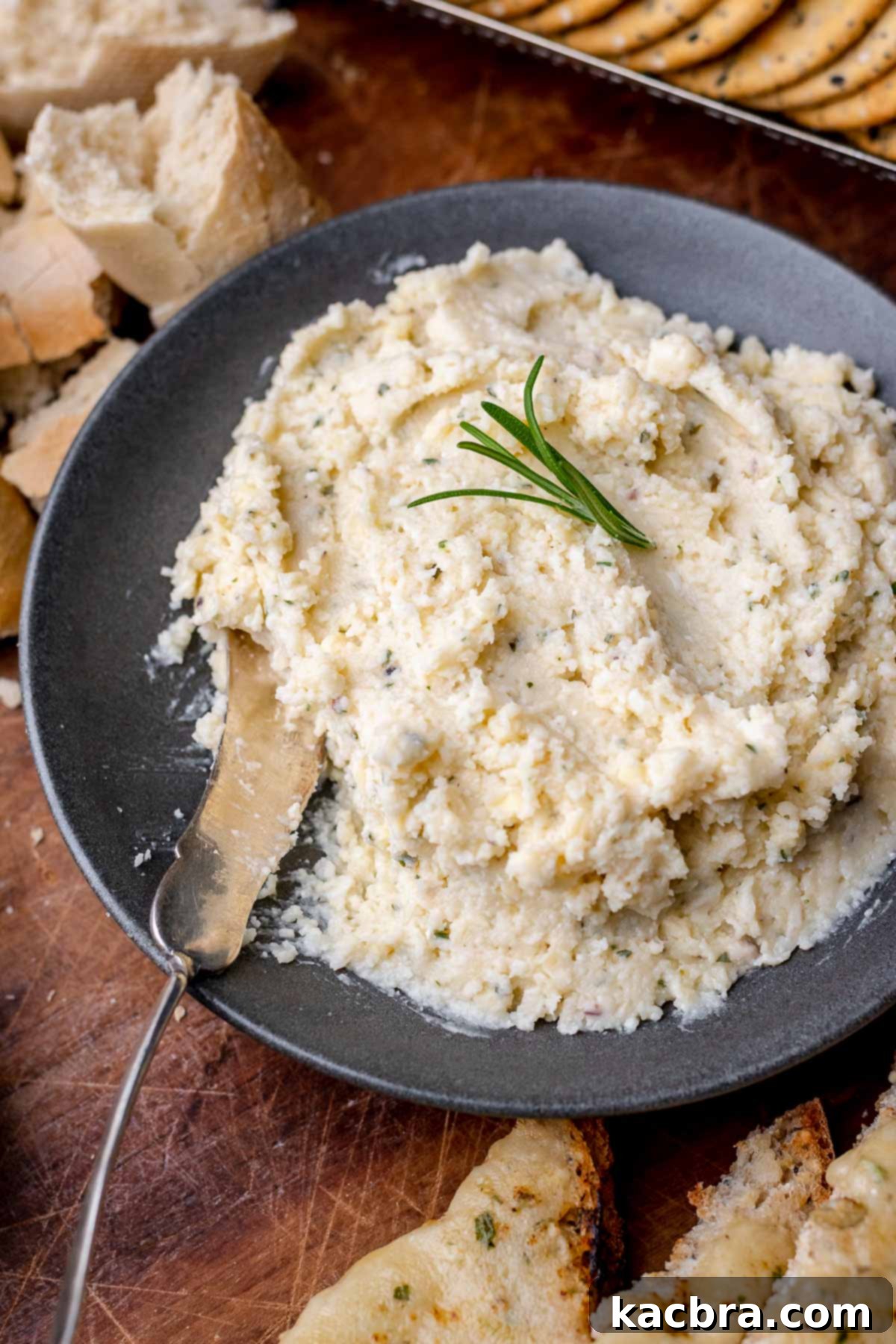
The true allure of fromage fort lies not only in its exquisite, powerful flavors but also in its remarkable adaptability. This classic French-inspired cheese spread stands out as an excellent method to significantly reduce food waste, turning forgotten cheese scraps into a gourmet experience. Its reputation was significantly boosted by the esteemed French chef Jacques Pépin, who fondly recalled growing up with his father’s homemade marinated cheese and subsequently shared the magic of fromage fort with the world.
Creamy, intensely savory, and wonderfully customizable, fromage fort is an ideal choice for your next social gathering or as a sophisticated snack to enjoy in the comfort of your home. Who could possibly resist a delectable cheese appetizer? Serve this versatile spread alongside other delightful bites such as crispy fried goat cheese balls, a warm baked brie with fig jam, savory phyllo fried feta cheese drizzled with hot honey, or elegant whipped ricotta crostini for an unforgettable culinary spread.
Why You’ll Love This Fromage Fort Recipe
Discover the compelling reasons why fromage fort is destined to become a beloved staple in your culinary repertoire:
- Sustainable & Smartly Uses Leftovers: After hosting a party or simply accumulating various cheese remnants in your fridge, fromage fort offers the perfect opportunity to give those delicious chunks a second life. Instead of letting them go to waste, transform them into a decadent spread. It’s a fantastic way to minimize food waste while maximizing flavor and value. Enjoy it with crackers, crispy breadsticks, or even as a flavorful filling in creative dishes like these savory cheese tartlets.
- Remarkably Quick & Effortless: Preparing fromage fort is incredibly straightforward. With just a few simple pulses in your food processor, this luxurious cheese spread is ready to serve. The entire process is designed for ease and speed, yet the resulting taste is anything but simple – it’s bold, complex, and deeply satisfying. Perfect for impromptu gatherings or a sudden craving for something gourmet.
- Endlessly Customizable for Your Palate: The true beauty of fromage fort lies in its adaptability. You have the freedom to use virtually any combination of leftover cheeses, creating a unique blend every time. Beyond cheese, you can incorporate your favorite fresh herbs and a variety of spices, allowing you to tailor the flavor profile precisely to your personal preferences. Each batch becomes a reflection of your culinary creativity.
- Gourmet Appeal with Minimal Effort: Despite its humble origins as a “leftover” dish, fromage fort presents as a sophisticated and elegant appetizer. Its rich texture and complex flavors make it a showstopper at any event, impressing guests with its refined taste without requiring hours of preparation. It’s the ideal dish for those who want to serve something special without extensive culinary skills.
- Cost-Effective Entertaining: By repurposing cheese that might otherwise be discarded, fromage fort proves to be an incredibly economical dish. It allows you to create a high-quality, flavorful appetizer using ingredients you already possess, making it perfect for entertaining on a budget or simply enjoying a luxurious treat without the hefty price tag.
The Origins of Fromage Fort: A Culinary Journey
To truly appreciate fromage fort, it’s worth delving into its fascinating history. This iconic spread is deeply rooted in French culinary tradition, particularly in the regions of Burgundy and Lyon. Born out of necessity and ingenuity, fromage fort emerged as a clever way for French peasants to preserve and make the most of every last scrap of cheese. In a time when food waste was unthinkable, combining various leftover cheeses with wine, garlic, and herbs was a brilliant method to create a new, vibrant, and long-lasting product.
The name “fromage fort” itself translates to “strong cheese,” a nod to the robust and potent flavors that develop when an assortment of cheeses, both mild and sharp, are macerated together. Historically, this wasn’t just about mixing cheese; it was about creating a spread with character, where the individual notes of each cheese matured and blended into a harmonious, intense flavor. Jacques Pépin, a master of French cuisine, often speaks of this dish with great affection, highlighting its significance as a comforting and resource-conscious staple from his childhood. His popularization of fromage fort has introduced this humble yet exquisite French tradition to a wider international audience, demonstrating that culinary brilliance often springs from simplicity and respect for ingredients.
Essential Ingredients for the Perfect Fromage Fort
Creating an outstanding fromage fort begins with understanding the role each ingredient plays in developing its signature robust flavor and creamy texture. Here’s a detailed look at the core components:
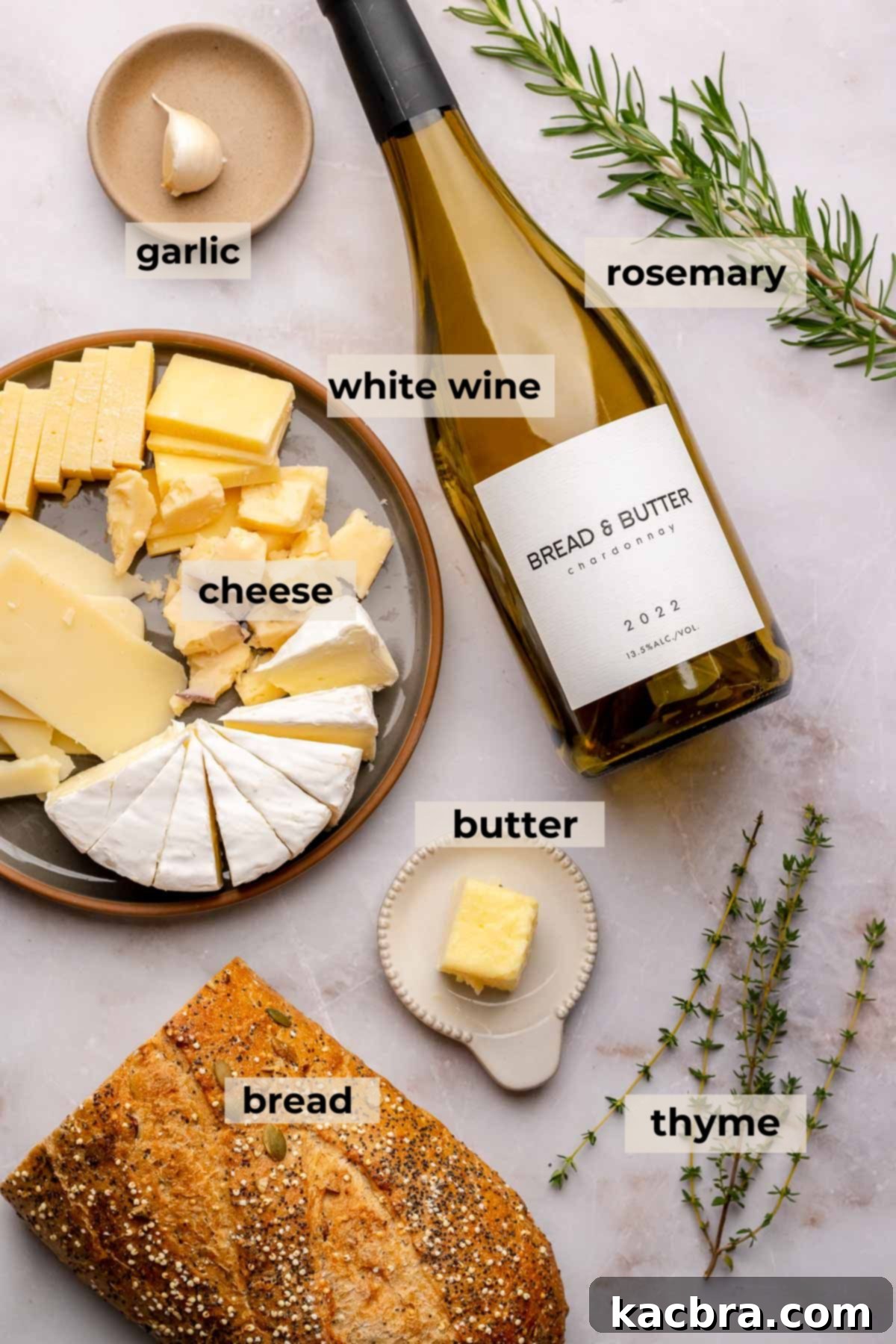
- Cheese – The Flavor Foundation: This is undoubtedly the star ingredient. The key to a truly magnificent fromage fort lies in using a diverse assortment of leftover cheeses. Aim for a balanced blend of both mild and sharp flavors, and combine a mix of hard, semi-hard, and soft cheeses. For instance, a robust cheddar can be balanced with a creamy brie, while a nutty Gouda pairs well with a tangy goat cheese. The variety ensures a complex and intriguing flavor profile. Remember, different cheeses bring different textures and fat content, contributing to the overall consistency of your spread.
- Salted Butter – For Richness and Texture: Salted butter adds a luxurious creaminess and aids in binding together firmer cheeses, creating a smoother, more spreadable consistency. If your cheese collection includes a significant amount of softer, higher-fat cheeses like brie, cream cheese, or Boursin, you might choose to skip or reduce the butter to avoid an overly rich or oily result. Its primary function is to enhance mouthfeel and blend.
- Garlic Clove – The Aromatic Enhancer (Optional, but Recommended): A single grated garlic clove introduces a subtle yet powerful kick of sharpness and an aromatic depth that significantly elevates the savory notes of the cheese. While optional, it’s highly recommended for its ability to cut through the richness and add a quintessential French touch. Use a microplane for the finest grate to ensure it blends seamlessly.
- Fresh Herbs – A Burst of Freshness: Fresh herbs are crucial for brightening the spread and infusing it with vibrant, herbaceous notes. They provide a delightful contrast to the rich cheese. Popular choices include fresh parsley, chives, fragrant rosemary, earthy thyme, or delicate dill. Feel free to use a single herb or, for a more complex aroma, a thoughtful combination that complements your chosen cheeses. Always chop them roughly to release their essential oils.
- Dry White Wine – For Acidity and Cohesion: White wine serves multiple purposes in fromage fort: it helps to loosen the cheese mixture, making it easier to process into a smooth spread, and its acidity expertly balances the richness of the cheese. A dry white wine, such as Chardonnay, Pinot Grigio, or Sauvignon Blanc, is ideal as it won’t add unwanted sweetness. The alcohol also acts as a subtle solvent, aiding in the emulsification of the fats.
- Salt and Freshly Ground Black Pepper – Seasoning to Perfection: These fundamental seasonings are added to taste, allowing you to fine-tune the overall flavor profile. Since cheeses inherently vary in saltiness, always taste your mixture before adding extra salt. Freshly ground black pepper is highly recommended for its pungent aroma and ability to enhance all the other flavors, bringing them into perfect harmony.
For precise measurements and detailed instructions, please refer to the recipe card below.
Creative Substitutions and Flavorful Variations
Fromage fort is your canvas for culinary creativity. Don’t hesitate to adapt the recipe based on what you have on hand or what specific flavor profile you’re aiming for. Here are some ideas for exciting substitutions and variations:
- Cheese Combinations Galore: The possibilities are nearly endless! Experiment with a wide array of hard and soft cheeses. Consider using sharp cheddar for a classic tang, creamy Gouda for nutty notes, pungent Manchego for a Spanish twist, or even a hint of blue cheese for a bold flavor. Soft cheeses like Brie, Boursin, Camembert, or cream cheese will contribute to a smoother, richer texture. Just be cautious with strongly flavored cheeses – a little blue cheese, Gorgonzola, or a very aged Gruyère goes a long way to avoid overpowering the entire batch. Aim for a balanced interplay of textures and tastes.
- Herb Garden Delights: Beyond the suggested parsley, chives, rosemary, thyme, and dill, feel free to explore other aromatic herbs. Fresh sage can add a warm, earthy quality, tarragon offers a delicate anise-like flavor, and basil brings a sweet, peppery freshness. Consider the season and what’s available in your garden or local market to infuse your fromage fort with unique character.
- Wine Alternatives for Every Palate: While dry white wine is traditional, you can certainly switch it up. For a slightly different aromatic complexity, try vermouth or even a dry sherry. If you prefer a non-alcoholic version, a good quality vegetable stock, chicken stock, or even just a splash of water or milk can help achieve the desired consistency without adding alcohol. Ensure non-alcoholic liquids are unflavored to let the cheese shine.
- Exciting Add-ins for Texture and Spice: Elevate your fromage fort with a variety of delightful add-ins. For those who enjoy a bit of heat, a sprinkle of crushed red pepper flakes or a dash of hot sauce can provide a welcome spicy kick. Toasted nuts, such as walnuts, pecans, or almonds, offer a wonderful textural contrast and nutty undertone. Finely diced sun-dried tomatoes, capers, or olives can introduce bursts of tangy and briny flavors, transforming the spread into a more complex antipasto-style dip.
- Sweet & Savory Twists: For a surprising twist, consider adding a touch of sweetness. A small amount of fig jam, caramelized onions, or even a drizzle of honey can create a beautiful sweet-savory balance that pairs exceptionally well with richer cheeses. This variation is particularly good when serving with plain crackers or crusty bread.
Crafting Your Fromage Fort: A Step-by-Step Guide
Making fromage fort is incredibly simple, requiring minimal effort for maximum flavor. Follow these easy steps to create your perfect cheese spread:
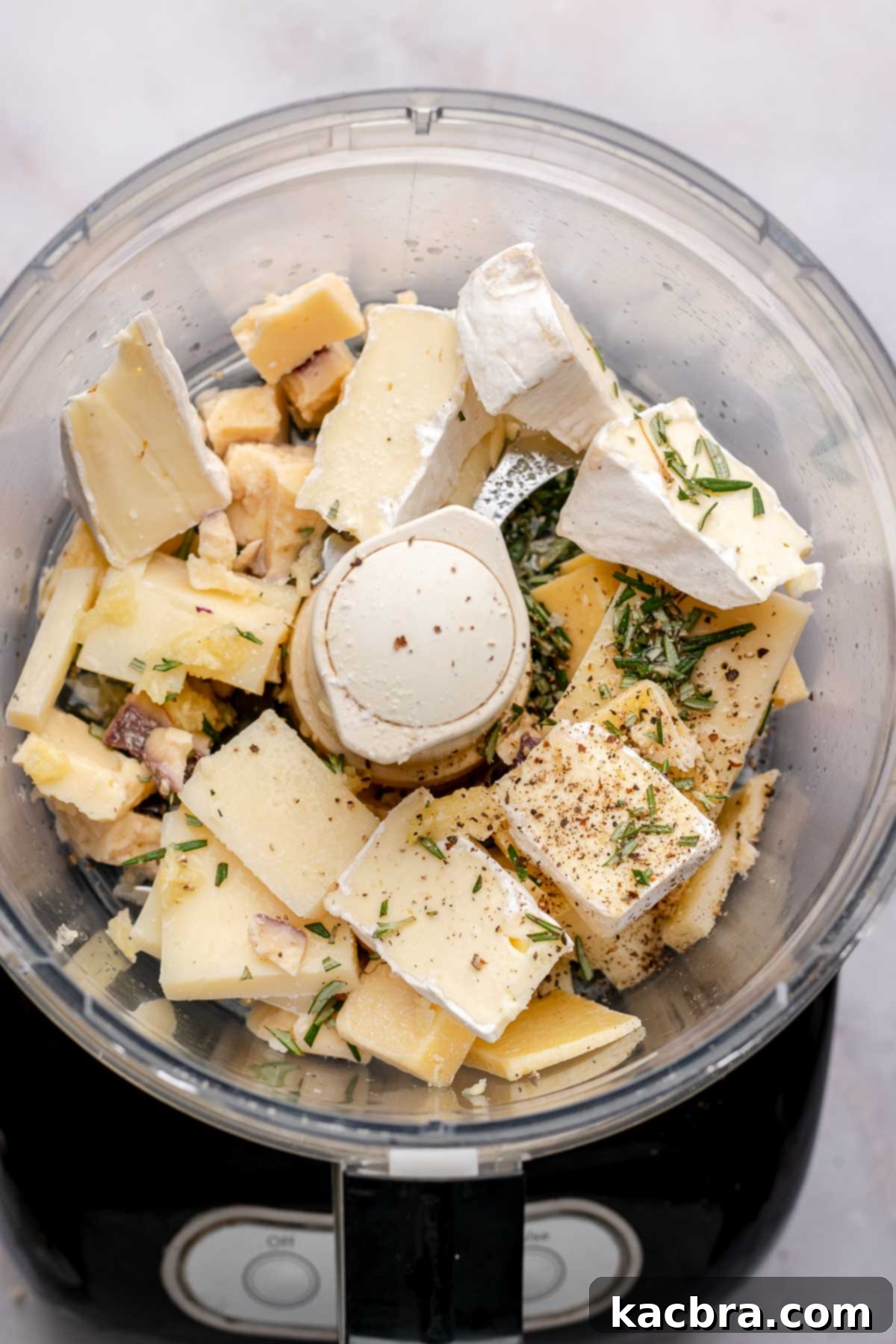
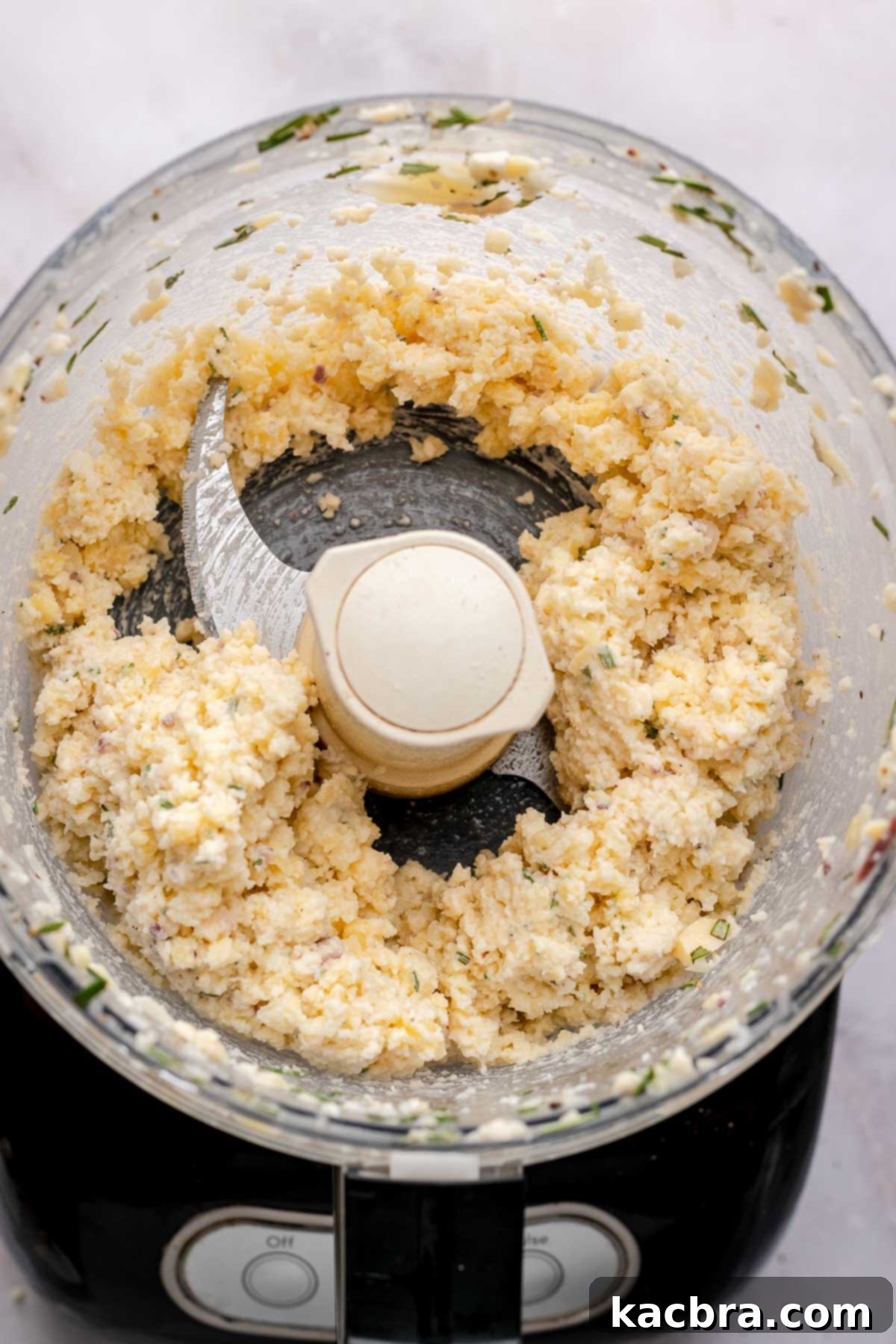
- Step 1: Gather and Combine Ingredients
Begin by adding all your prepared ingredients to the bowl of a food processor. This includes your chunks of assorted cheese, fresh herbs (roughly chopped), grated garlic (if using), dry white wine, and salted butter (if your cheese selection lacks sufficient soft cheeses, as per our expert tips). Ensure all ingredients are at room temperature for optimal blending.
- Step 2: Process to Desired Consistency
Secure the lid of your food processor and begin pulsing the ingredients. Start with short bursts, then continue to process until the cheese mixture reaches your desired consistency. Some prefer a slightly chunky spread with visible herb flecks, while others aim for a perfectly smooth, velvety texture. The processing time will depend on the type of cheese and your desired outcome. Scrape down the sides of the bowl as needed to ensure even blending.
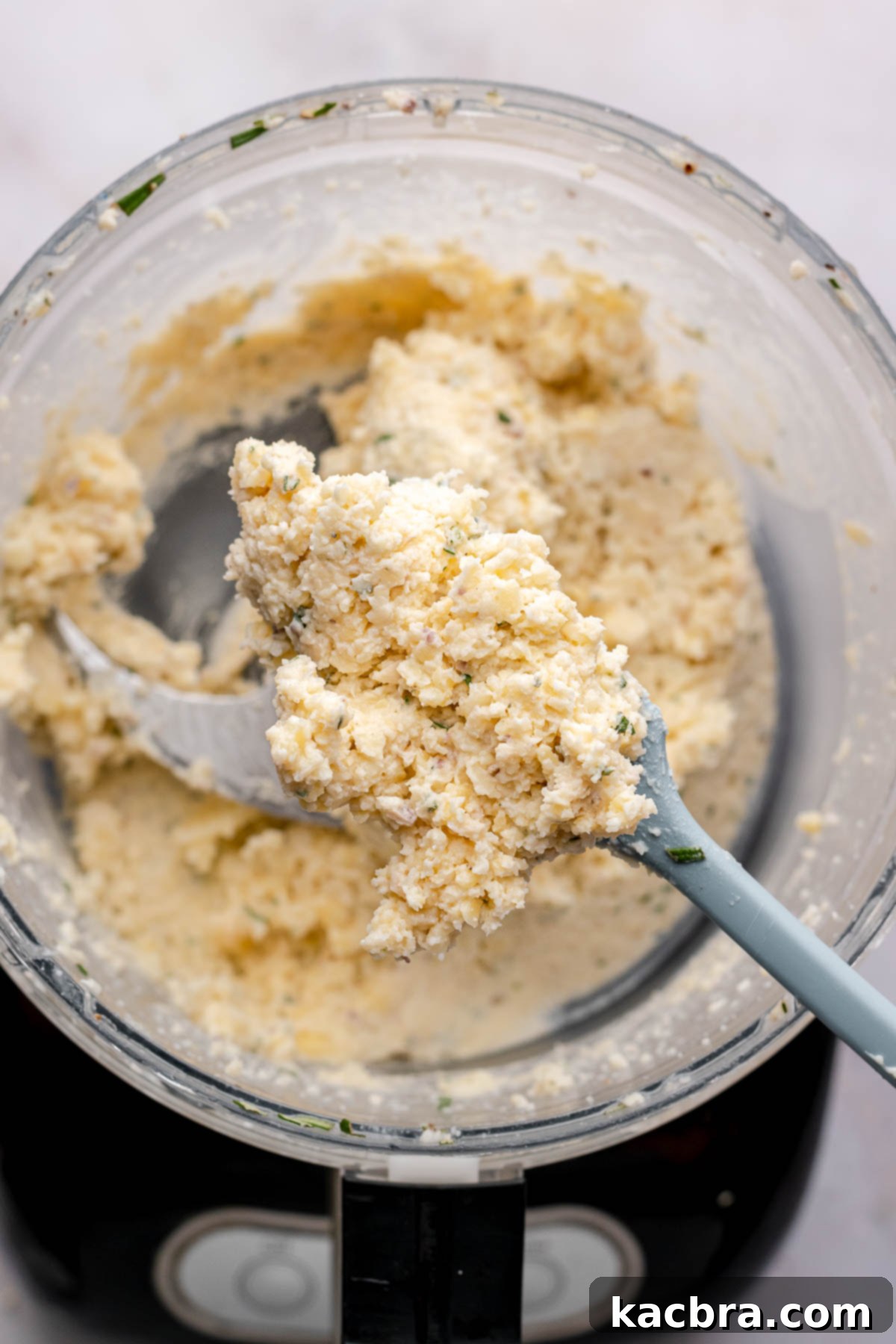
- Step 3: Season and Adjust Flavors
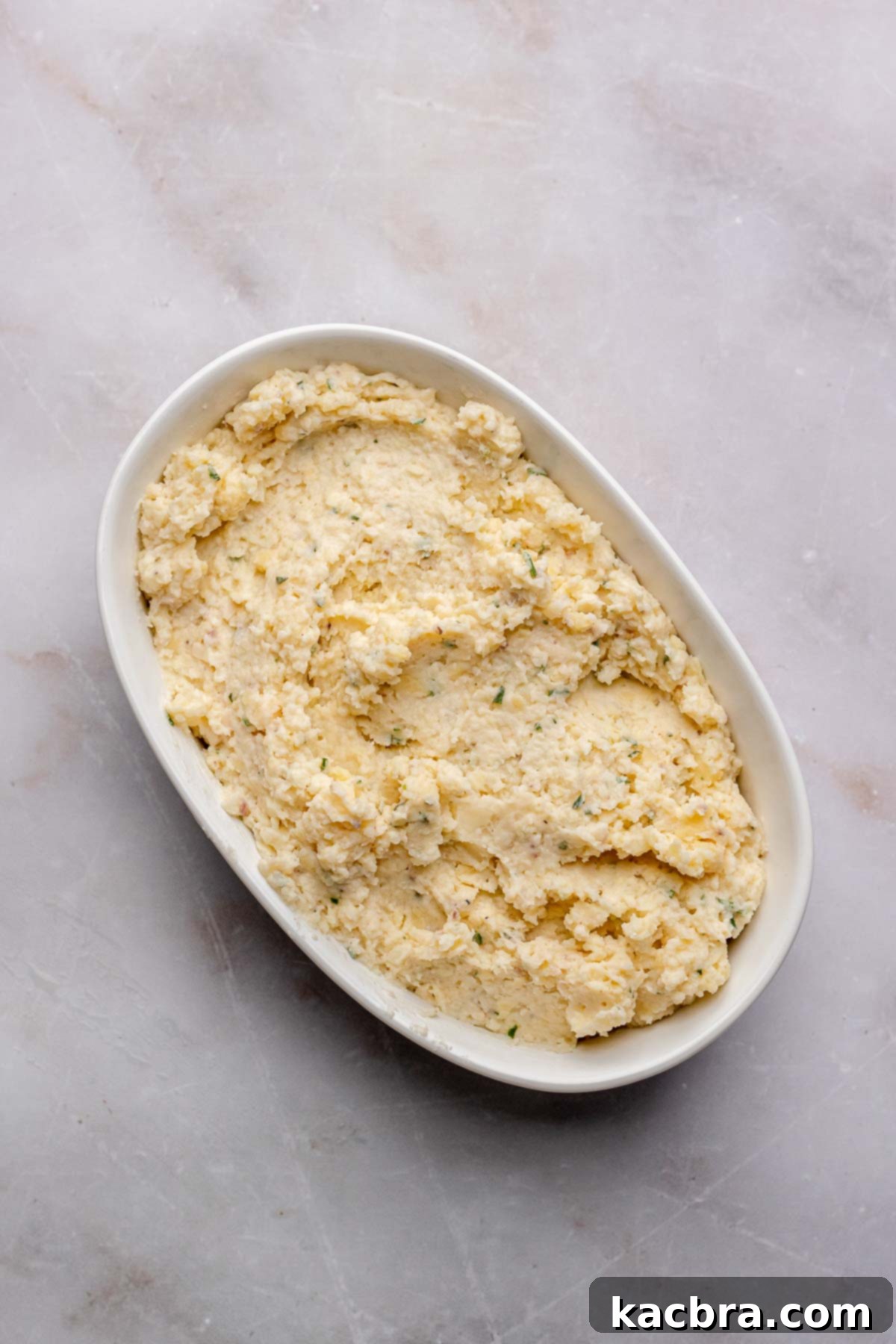
Once your spread has reached the desired texture, taste a small amount to assess the seasoning. Given the varied saltiness of different cheeses, this step is crucial. Add more salt or freshly cracked black pepper as needed to enhance the overall flavor. Pulse briefly again to thoroughly combine any added seasonings, ensuring an even distribution.
- Step 4: Serve or Chill for Enhanced Flavor
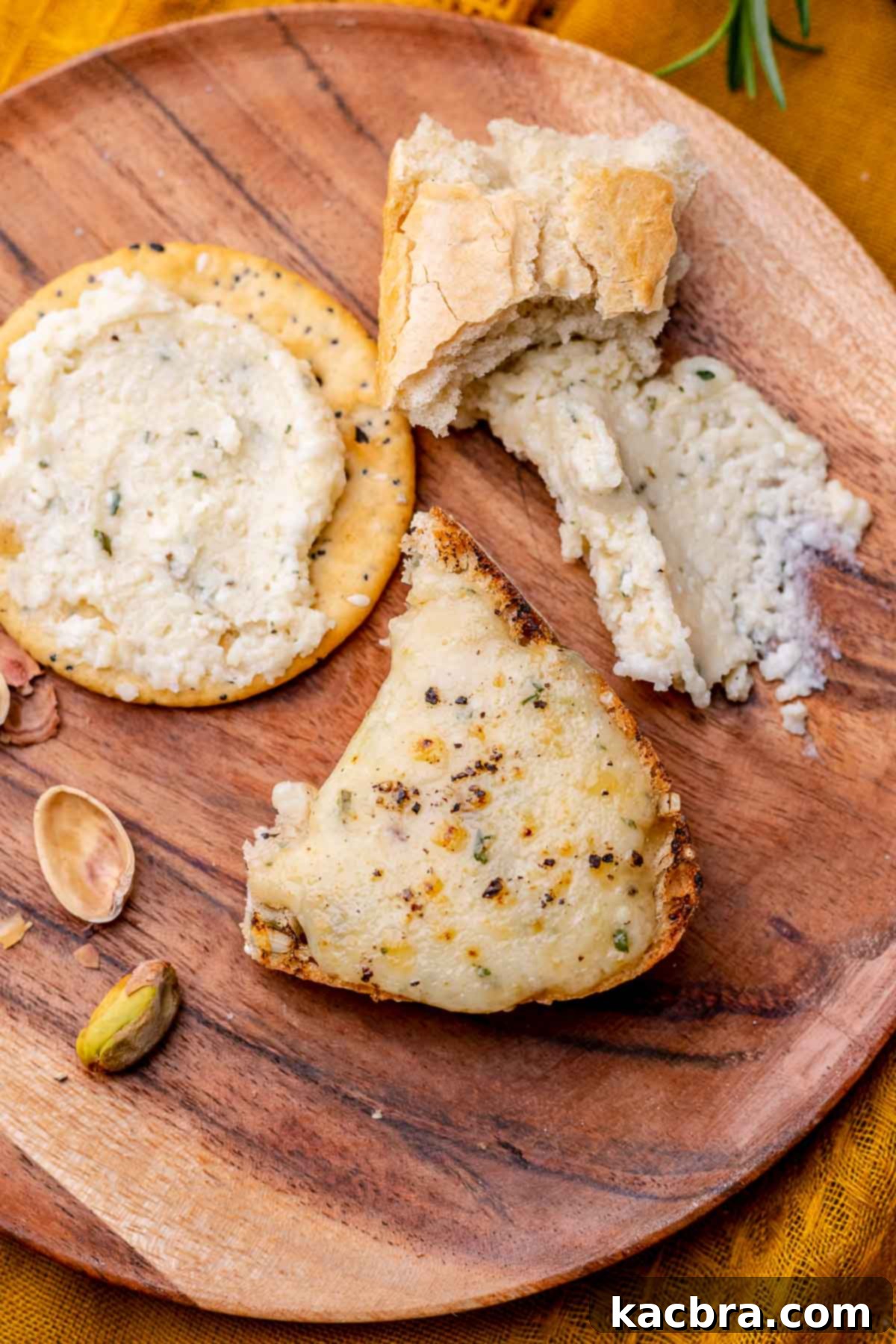
Transfer the finished fromage fort to a serving dish. You can serve it immediately at room temperature, which allows for a soft, spreadable consistency. Alternatively, for a deeper, more melded flavor, refrigerate the spread for a few hours, or ideally, overnight. Chilling allows the individual flavors of the cheeses, herbs, and wine to “marry” and develop, resulting in a more complex and satisfying taste experience. It can be stored for up to a few days.
Mastering Fromage Fort: Expert Tips and Tricks
To ensure your fromage fort is consistently perfect, keep these invaluable expert tips in mind:
- Always Use Room Temperature Cheese: This is a fundamental tip for any cheese spread. Bringing your assortment of cheeses to room temperature before processing is crucial. Warm cheese blends significantly more easily and efficiently, resulting in a much smoother, creamier, and more homogenous spread. Cold cheese will be difficult to process and may result in a lumpy, uneven texture.
- Taste and Adjust Throughout the Process: Since every batch of fromage fort will naturally vary due to the unique combination of cheeses and herbs, continuous tasting is absolutely essential. Sample the mixture as you go, adjusting the seasonings (salt, pepper), or adding more white wine or fresh herbs as needed to achieve your ideal flavor balance. Don’t be afraid to trust your palate!
- Exercise Caution with Blue and Strong Cheeses: While blue cheese, pungent Gruyère, or aged Swiss can add wonderful depth, a little goes an exceptionally long way. These powerful cheeses can easily dominate and overpower the delicate nuances of the other ingredients. Start with a very small amount and add more only if desired, tasting carefully with each addition.
- The Magic of Refrigeration for Flavor Development: While fromage fort can be enjoyed immediately after preparation, allowing it to rest in the refrigerator for at least a few hours, or even better, overnight, makes a significant difference. This resting period allows all the individual flavors – the sharp cheeses, the aromatic herbs, the zesty garlic, and the subtle wine – to truly “marry” and deepen, creating a far more complex and harmonious spread.
- Control the Consistency: The amount of white wine or liquid you add will directly impact the final consistency of your fromage fort. For a thicker, more rustic spread, use less liquid. For a creamier, more dip-like consistency, gradually add more wine until you reach your preference. You can always add more liquid, but you can’t easily remove it, so add it incrementally.
- Don’t Overprocess: While a smooth consistency is often desired, avoid over-processing the mixture. Overworking cheese in a food processor can sometimes lead to a slightly gummy texture. Pulse in short bursts and check frequently until the ideal texture is achieved.
How to Serve Fromage Fort: Versatile & Delicious
The beauty of fromage fort lies in its incredible versatility. It can be served both hot and cold, making it suitable for a wide range of occasions and preferences. Here are numerous delightful ways to enjoy this French cheese spread:
- Classic Cold Serve with Dippers:
- Crudités: Offer a vibrant array of fresh vegetable sticks such as carrots, celery, bell peppers, cucumber, and radishes for a healthy and crunchy pairing.
- Crackers and Grissini: A selection of your favorite crackers, breadsticks (grissini), or even gourmet rice crackers provides the perfect vehicle for scooping up the creamy spread. Opt for plain varieties to let the cheese flavors shine.
- Fresh Fruit: Create a sweet and savory contrast by pairing fromage fort with slices of crisp apples, juicy grapes, or sweet pear wedges. The fruit’s freshness beautifully complements the richness of the cheese.
- Warm & Toasted Preparations:
- Baguette or Focaccia: Spread a generous layer of fromage fort onto slices of fresh focaccia bread or crusty baguette. Broil until the cheese is wonderfully bubbly, golden, and slightly melted, creating a gourmet crostini.
- Toasted Sandwiches: Use fromage fort as a flavorful spread in grilled cheese sandwiches or paninis for an elevated, melty experience.
- Creative Culinary Applications:
- Sandwich Spread: Elevate your everyday sandwiches or wraps by using fromage fort as a creamy, savory spread instead of plain mayonnaise or mustard. It adds a gourmet touch to packed lunches or quick meals.
- Stuffed Mushrooms: For a heartier appetizer, mix fromage fort into the filling for crab-stuffed portobello mushrooms or simply use it as the main stuffing for button mushrooms before baking.
- Accompaniment to Olives: Serve it alongside a bowl of warm herb-roasted olives with burrata for a truly Mediterranean-inspired spread.
- Burger or Steak Topping: A dollop of melted fromage fort can add incredible richness and flavor to a grilled burger or a perfectly cooked steak.
- Event and Occasion Pairing:
- Cocktail Parties: Its elegant presentation and customizable nature make it an ideal choice for sophisticated cocktail hours.
- Picnics: Pack it in an airtight container with some crusty bread for a delightful addition to your outdoor meal.
- Casual Gatherings: Easy to make and universally loved, it’s perfect for casual get-togethers where good food is key.
Frequently Asked Questions (FAQs) About Fromage Fort
Absolutely! While a food processor offers the quickest and easiest way to achieve a smooth consistency, it’s not strictly necessary. You can use a standard blender or an immersion (stick) blender for similar results. If you don’t have any of these, you can certainly mash the cheese by hand with a sturdy fork or a potato masher. The texture will be a bit chunkier and more rustic, but it will still be incredibly delicious and full of flavor. Just ensure your cheese is very soft and at room temperature for easier mashing.
The beauty of fromage fort is its adaptability to almost any mix of cheeses you have on hand or leftover. The best results come from balancing mild and sharp flavors, and combining both hard and soft cheeses. For instance, a mix of cheddar, Gouda, Brie, and a touch of Parmesan works wonderfully. Avoid using an excessive amount of very powerfully flavored cheeses, such as strong blue cheese (like Roquefort) or aged Gruyère, as they can easily dominate and overpower the other flavors in the batch. Aim for variety in both flavor intensity and texture.
The varying taste from batch to batch is precisely the charm and unique characteristic of fromage fort! Unless you are using the exact same types of cheese in the exact same amounts every single time, your fromage fort is bound to taste a little different. This is because each cheese contributes its own distinct flavor, fat content, and texture. Embrace this variability! It’s an opportunity to discover new favorite combinations. Always taste as you go and adjust the seasonings (salt, pepper, herbs, wine) to make it exactly how you enjoy it most on that particular day.
Absolutely! Fromage fort is an ideal make-ahead appetizer. In fact, preparing it a few hours or even a day in advance and allowing it to chill in the refrigerator significantly enhances its flavor. The resting time allows all the ingredients to meld and deepen their flavors. Simply store it in an airtight container in the fridge, then let it sit at room temperature for about 15-30 minutes before serving for the best texture and spreadability.
Yes, the core fromage fort recipe itself is naturally gluten-free, as it consists of cheese, butter, garlic, herbs, and wine. However, always be mindful of what you serve it with. To maintain a gluten-free offering, serve it with gluten-free crackers, vegetable crudités, or gluten-free bread.
Storage and Reheating
Proper storage is key to enjoying your delicious fromage fort for as long as possible. Any leftovers can be stored in an airtight container in the refrigerator for up to one week. To ensure the best texture and flavor when serving again, allow the fromage fort to sit out at room temperature for about 15-30 minutes before spreading. This softens the cheese, making it more pliable and enhancing its aromatic qualities.
While it’s primarily a chilled or room-temperature spread, you can also warm it gently. For instance, if you’re planning to broil it on bread slices, you can take it directly from the fridge. For a warmer, dip-like consistency, place it in a heatproof dish and warm it in a low oven (around 250°F / 120°C) for about 15-20 minutes, or microwave in short bursts, stirring frequently, until just softened and warm throughout. Avoid overheating, as this can cause the cheese to separate or become oily.

More Delightful Cheese & Appetizer Recipes You’ll Love
If you’re a fan of rich, savory spreads and crowd-pleasing appetizers, explore these other fantastic recipes:
- Soft Pretzels and Beer Cheese Dip
- Hot Crab Spinach Artichoke Dip
- Puff Pastry Tomato Tart with Ricotta and Feta Cheese
- Cheesy Chicken Bacon Ranch Dip (Oven or Crockpot)
What to Know When Cooking with The Cozy Plum
- All recipes are created with Diamond Crystal kosher salt, known for being the least salty variety of kosher salt. If you are using Morton’s kosher salt or sea salt, you will need to reduce the amount of salt by half, as these are approximately twice as salty. Please avoid using table salt in our recipes for best results.
- You can easily switch between U.S. Customary (Cups) and Metric measurements using a toggle on our recipe cards (not present in this cleaned HTML). For the most accurate results in baking and cooking, we always recommend using a digital kitchen scale to measure ingredients by weight.
- Our recipe cards also feature ‘1X’, ‘2X’, and ‘3X’ buttons to help you scale the ingredient quantities for different serving sizes. Please note that while quantities adjust automatically, cooking and baking times may need to be manually adjusted based on the scaled amount.
Did you make this recipe? Share it with us! Tag @thecozyplum on Instagram & Facebook and leave a star rating ⭐️ below!
📖Recipe

Fromage Fort
Callan Wenner
Pin Recipe
Equipment
- Food processor, blender, or immersion blender
- Microplane or zester
Ingredients
- 1 lb cheese cut into 1” chunks (a mix of hard and soft, mild and sharp is best)
- 1-2 tablespoons salted butter if not using soft cheeses (omit if using plenty of brie, cream cheese, etc.)
- 1 clove garlic grated (optional, for aromatic depth)
- 1-2 tablespoons fresh herbs roughly chopped (e.g., parsley, chives, rosemary, thyme, dill, or a combination)
- ½ cup dry white wine (like Chardonnay, Pinot Grigio, or Sauvignon Blanc)
- Salt and freshly ground black pepper to taste
Instructions
- Add all your prepared cheese chunks, salted butter (if using, based on your cheese selection), grated garlic, chopped fresh herbs, and dry white wine to the bowl of a food processor. Ensure all ingredients are at room temperature to facilitate smooth blending.1 lb cheese, 1-2 tablespoons salted butter, 1 clove garlic, 1-2 tablespoons fresh herbs, ½ cup white wine
- Pulse the ingredients in the food processor until they reach your desired texture. You can opt for a chunkier, more rustic cheese spread or continue pulsing until it becomes very smooth and creamy – the consistency is entirely up to your preference. Once the texture is achieved, taste the mixture for seasoning. Add more salt or freshly cracked black pepper as needed, then pulse briefly again to incorporate the seasonings evenly.Salt and pepper
- Transfer the fromage fort to a serving dish. Serve it immediately at room temperature with crackers, grissini, breadsticks, or slices of crusty bread. For a warm treat, spread the cheese onto slices of bakery bread or baguette and broil until it’s beautifully melty and lightly golden.
Video
Notes
If your cheese selection includes a significant amount of soft cheeses (such as brie, camembert, goat cheese, feta, or Boursin), you may omit the added butter.
Be mindful not to go overboard with very strong cheeses like blue cheese, Swiss, or Gruyère, as they can easily overpower the entire batch. The cheese used in the pictured recipe included a balanced mix of Dubliner, Brie, Bellavitano, and Manchego.
Any type of dry white wine, such as Chardonnay, Pinot Grigio, or Sauvignon Blanc, will work well.
Remember, no two batches will be exactly alike – taste and adjust the seasonings and ingredients as you see fit to match your preferences!
Nutritional Information
The provided nutritional information is an estimate per serving. Accuracy is not guaranteed.