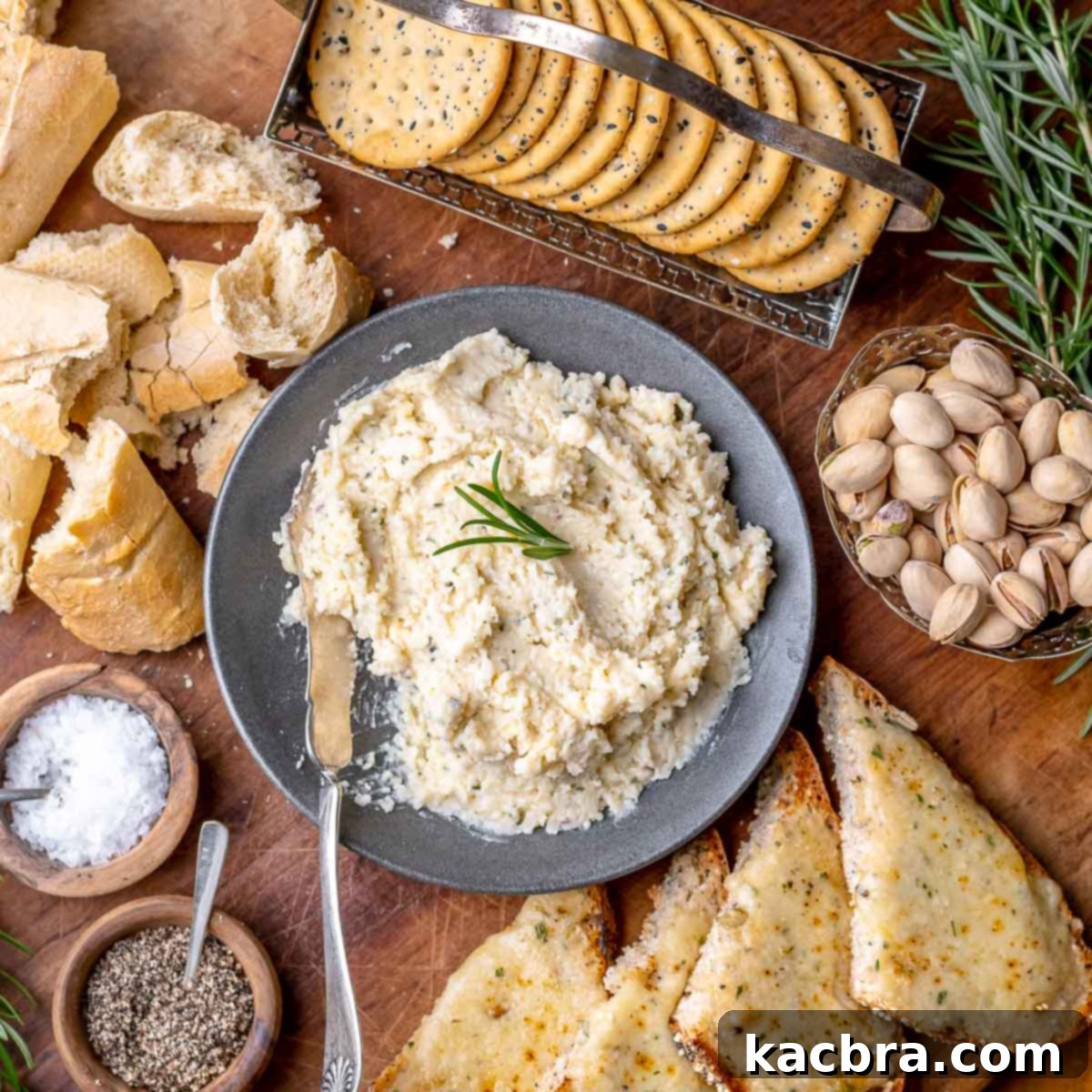
Fromage Fort: The Ultimate French Leftover Cheese Spread
Fromage fort, a classic French delicacy literally meaning “strong cheese,” offers a brilliant and delicious solution to using up those lingering pieces of cheese in your fridge. This flavorful spread combines various leftover cheeses with aromatic herbs and a splash of white wine, creating a rich, creamy, and deeply savory appetizer that can be enjoyed warm or cold. Its inherent versatility means that no two batches are ever quite the same, inviting endless experimentation with different cheese combinations and herb profiles to craft a spread that is uniquely yours.
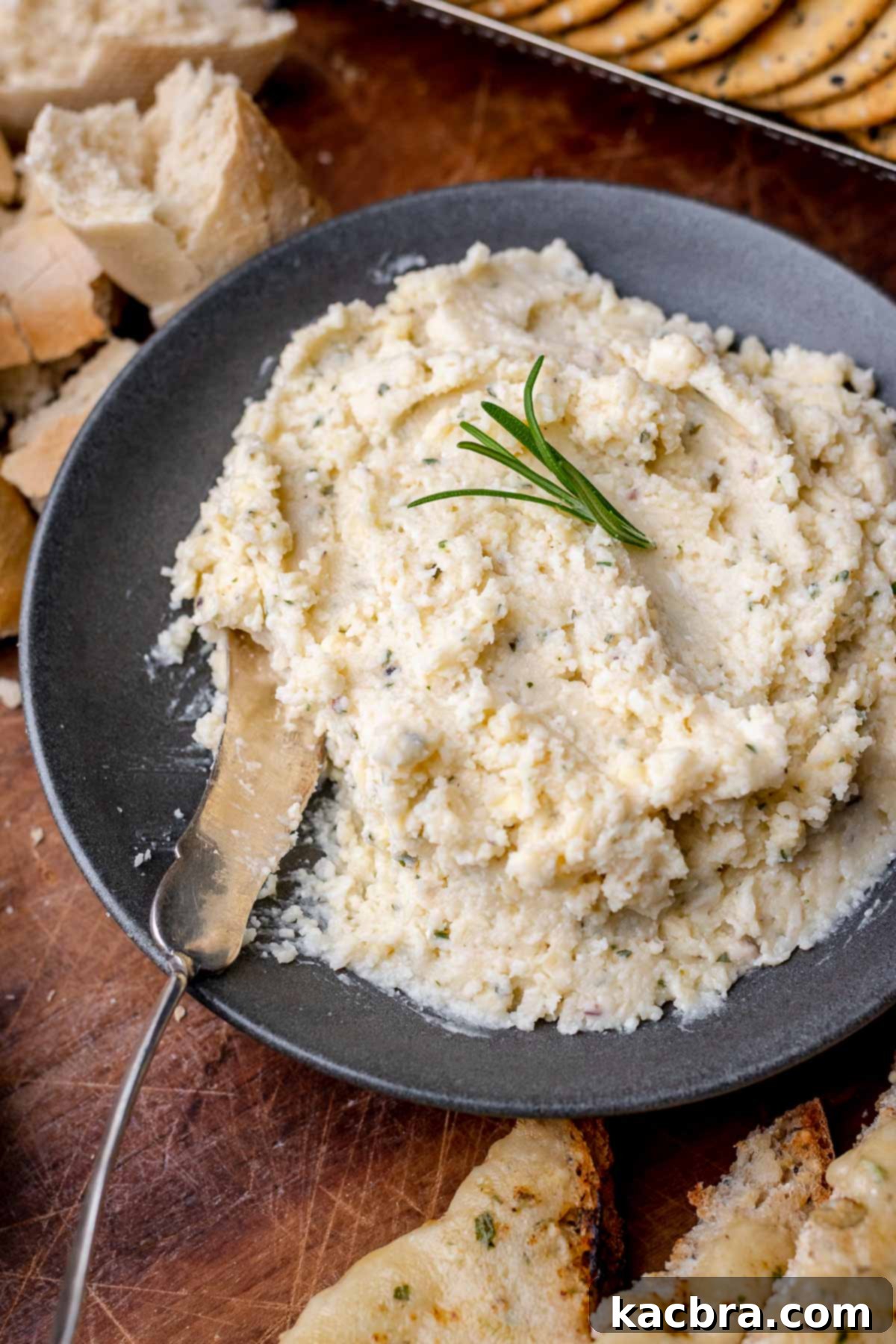
The allure of Fromage Fort lies not only in its powerful flavors but also in its remarkable adaptability and its role in sustainable cooking. This traditional French cheese spread is an excellent way to minimize food waste, transforming disparate cheese remnants into a harmonious and appealing dish with just a few simple ingredients. Revered French chef Jacques Pépin, who fondly recalled his father making this marinated cheese throughout his childhood, significantly contributed to putting Fromage Fort on the culinary map for a wider audience.
Creamy, intensely savory, and wonderfully customizable, Fromage Fort is an ideal addition to your next social gathering or as a sophisticated snack to savor at home. After all, who can resist a delightful cheese appetizer? Serve it alongside an array of complementary starters such as crispy fried goat cheese balls, elegant baked brie with fig jam, the irresistible crunch of phyllo fried feta cheese with hot honey, or delicate whipped ricotta crostini for an unforgettable spread.
Why You’ll Love This Fromage Fort Recipe
A Brilliant Way to Use Leftovers
This recipe is a true hero for preventing food waste. Those small, forgotten chunks of cheese from your last dinner party or charcuterie board often end up in the trash. Fromage Fort gives them a glorious second life, transforming them into a fresh and exciting spread. It’s an economical and environmentally conscious approach to enjoying every last bit of your gourmet cheeses. Serve it with crackers, breadsticks, or as a flavorful filling for appetizers like cheese tartlets.
Quick, Easy, and Impressively Flavorful
Forget complicated recipes! Crafting Fromage Fort is incredibly straightforward. With just a few pulses in your food processor, you’ll have a rich, aromatic spread ready to enjoy. The preparation is simple, but the resulting taste is anything but—it’s bold, complex, and utterly satisfying, making it perfect for last-minute entertaining or a spontaneous gourmet treat.
Infinitely Customizable to Your Taste
The true beauty of Fromage Fort lies in its flexibility. You can use virtually any combination of leftover cheeses, allowing you to create a unique flavor profile every time. Mix and match hard and soft, mild and sharp varieties. Beyond cheese, tailor the spread with your favorite fresh herbs and spices, adapting it to your personal preferences and seasonal availability.
The Rich History of Fromage Fort
Fromage Fort is more than just a cheese spread; it’s a testament to French culinary ingenuity and a long-standing tradition of valuing every ingredient. Historically, this humble dish emerged from the resourceful kitchens of French peasants who sought to make the most of every scrap of food. Cheese, often a precious commodity, was never wasted. Instead, odd pieces, ends, and rinds were collected, then softened with wine or brandy, and revitalized with garlic and herbs. This practice transformed what might have been discarded into a “strong” and potent spread, full of character and flavor, capable of feeding families during leaner times.
Over centuries, Fromage Fort evolved from a necessity into a beloved regional specialty, particularly in Burgundy. Its rustic origins contrast with its modern appeal as a sophisticated, no-fuss appetizer found in contemporary French bistrots and home kitchens worldwide. The philosophy behind Fromage Fort—combining flavors, minimizing waste, and maximizing enjoyment—remains as relevant today as it was generations ago.
Essential Ingredients for Your Fromage Fort

Crafting the perfect Fromage Fort starts with selecting quality ingredients, even if they are leftovers. Each component plays a crucial role in achieving the ideal balance of flavor and texture.
- Assorted Cheeses: The Heart of the Spread. This is where your creativity shines! The ideal Fromage Fort features a balanced mix of leftover cheeses. Aim for a variety that includes both mild and sharp flavors, as well as a blend of hard and soft textures. This ensures a complex taste profile and a smooth, spreadable consistency. Examples could range from cheddar and Gouda to brie and goat cheese.
- Salted Butter: For Richness and Creaminess. A small amount of salted butter adds luxurious creaminess and helps bind firmer cheeses together smoothly. If your cheese collection leans heavily towards soft, creamy varieties like brie, Boursin, or cream cheese, you might consider omitting the butter to prevent the spread from becoming too rich or oily.
- Garlic Clove: A Piquant Aromatic. A single grated garlic clove introduces a subtle yet essential kick of sharpness and pungency, significantly enhancing the overall savory depth of the cheese spread. It’s optional, but highly recommended for an authentic flavor.
- Fresh Herbs: A Burst of Freshness. Fresh herbs are vital for brightening the spread and infusing it with vibrant, aromatic notes. Common choices include parsley, chives, rosemary, thyme, and dill. Feel free to use a single herb or a harmonious combination that complements your chosen cheeses.
- Dry White Wine: The Balancing Act. A splash of dry white wine is key to loosening the mixture and adding a crucial touch of acidity. This acidity cuts through the richness of the cheese, creating a perfectly balanced flavor profile. A dry white wine, such as Chardonnay, Pinot Grigio, or Sauvignon Blanc, works best.
- Salt and Freshly Ground Black Pepper: To Taste. These are your final seasonings. Always taste your Fromage Fort as you go and adjust the salt and pepper to highlight all the intricate flavors. Freshly ground black pepper offers a superior aroma and taste compared to pre-ground.
For a complete list of ingredients with precise quantities, please refer to the recipe card below.
Substitutions and Creative Variations
The beauty of Fromage Fort is its flexibility. Don’t be afraid to experiment with these suggestions to make it truly your own:
- Cheese Choices: Almost any combination of hard and soft cheeses works. Consider using a mix of robust cheeses like aged cheddar, Gruyère, or Gouda with softer, milder options such as Brie, Camembert, cream cheese, Boursin, or even fresh goat cheese. Be cautious with extremely strong cheeses like blue cheese or pungent washed-rind varieties; a little goes a long way, as they can easily overpower the entire batch. A good balance might be 70% mild/medium and 30% stronger cheeses.
- Herb Alternatives: If parsley, chives, rosemary, thyme, or dill aren’t quite what you’re craving, other fresh herbs like sage, tarragon, or basil would also be excellent choices. Dried herbs can be used in a pinch, but remember that their flavor is more concentrated, so use about a third of the amount of fresh herbs.
- Wine Options: Any dry white wine will contribute well to the flavor profile. Beyond Chardonnay, Pinot Grigio, or Sauvignon Blanc, you could also try a dry vermouth or even a dry sherry for a deeper, nuttier note. For a non-alcoholic version, a splash of good quality vegetable stock, chicken stock, or even just water can help loosen the mixture and allow the flavors to meld without introducing alcohol.
- Exciting Add-ins: Elevate your Fromage Fort with various additions. For a spicy kick, a pinch of crushed red pepper flakes or a dash of hot sauce can awaken the palate. Add texture and nutty flavor with a handful of toasted pecans, walnuts, or slivered almonds. For an umami boost, incorporate a teaspoon of Dijon mustard, a few anchovies (blended in), or even a touch of white truffle oil. Finely chopped sun-dried tomatoes or capers can also add a delightful burst of flavor.
Step-by-Step: How to Make Fromage Fort

- Step 1: Gather and Combine Ingredients. Add your chunks of assorted cheese, fresh herbs, grated garlic, white wine, and the salted butter (if using, remember to omit if using soft cheeses) into the bowl of a food processor. Ensure all ingredients are roughly chopped for easier processing.

- Step 2: Pulse to Desired Consistency. Begin pulsing the mixture in the food processor. Continue to pulse until the cheese spread reaches your preferred consistency. Some prefer a slightly chunky spread, offering more textural interest, while others may opt for a very smooth, pâté-like consistency. The choice is entirely up to you!

- Step 3: Season and Adjust. Once you’ve achieved the desired texture, taste the Fromage Fort for seasoning. Since cheeses vary greatly in saltiness, it’s crucial to adjust. Add more salt or freshly cracked black pepper as needed, then give it a quick pulse again to ensure everything is well combined.

- Step 4: Serve or Chill. Transfer the finished cheese spread to a serving dish. You can serve it immediately at room temperature for a softer consistency, or refrigerate it for a few hours (or even up to a few days) to allow the flavors to deepen and meld. Chilling often results in a more cohesive and intensely flavored spread.
Expert Tips for Perfect Fromage Fort
Achieving the ideal Fromage Fort is simple with these expert tips:
- Ensure Room Temperature Cheese: This is a crucial step for achieving a smooth and creamy texture. Always bring your cheese to room temperature before adding it to the food processor. Cold cheese will be difficult to blend evenly, resulting in a chunky or grainy spread. Allow about 30-60 minutes for cheeses to soften.
- Taste and Adjust Throughout: Since every batch of Fromage Fort will be unique based on the cheeses you use, continuous tasting is key. Adjust seasonings like salt, pepper, or even add a little more wine or herbs until you hit that perfect flavor balance. Don’t be shy – this is where the magic happens!
- Be Mindful of Strong Cheeses: While a touch of blue cheese or other highly pungent varieties can add fantastic complexity, too much can easily overwhelm the entire spread. Use these potent flavors sparingly, starting with a small amount and adding more only after tasting. A ratio of 70% milder cheese to 30% stronger cheese is a good starting point.
- Refrigeration Enhances Flavors: While Fromage Fort is delicious immediately, its flavors truly develop and deepen after chilling. For the best taste experience, allow the spread to sit in the refrigerator for at least a few hours, or even overnight. This “marrying” time allows all the ingredients to fully integrate, resulting in a more cohesive and robust flavor.
- Consider Texture: If your cheeses are predominantly hard, you might need a bit more white wine or butter to achieve a smooth consistency. Conversely, if you’re using mostly soft cheeses, reduce the liquid slightly or omit the butter entirely.
How to Serve Your Delicious Fromage Fort
Fromage Fort is incredibly versatile and can be served in a multitude of ways, hot or cold, making it perfect for any occasion:
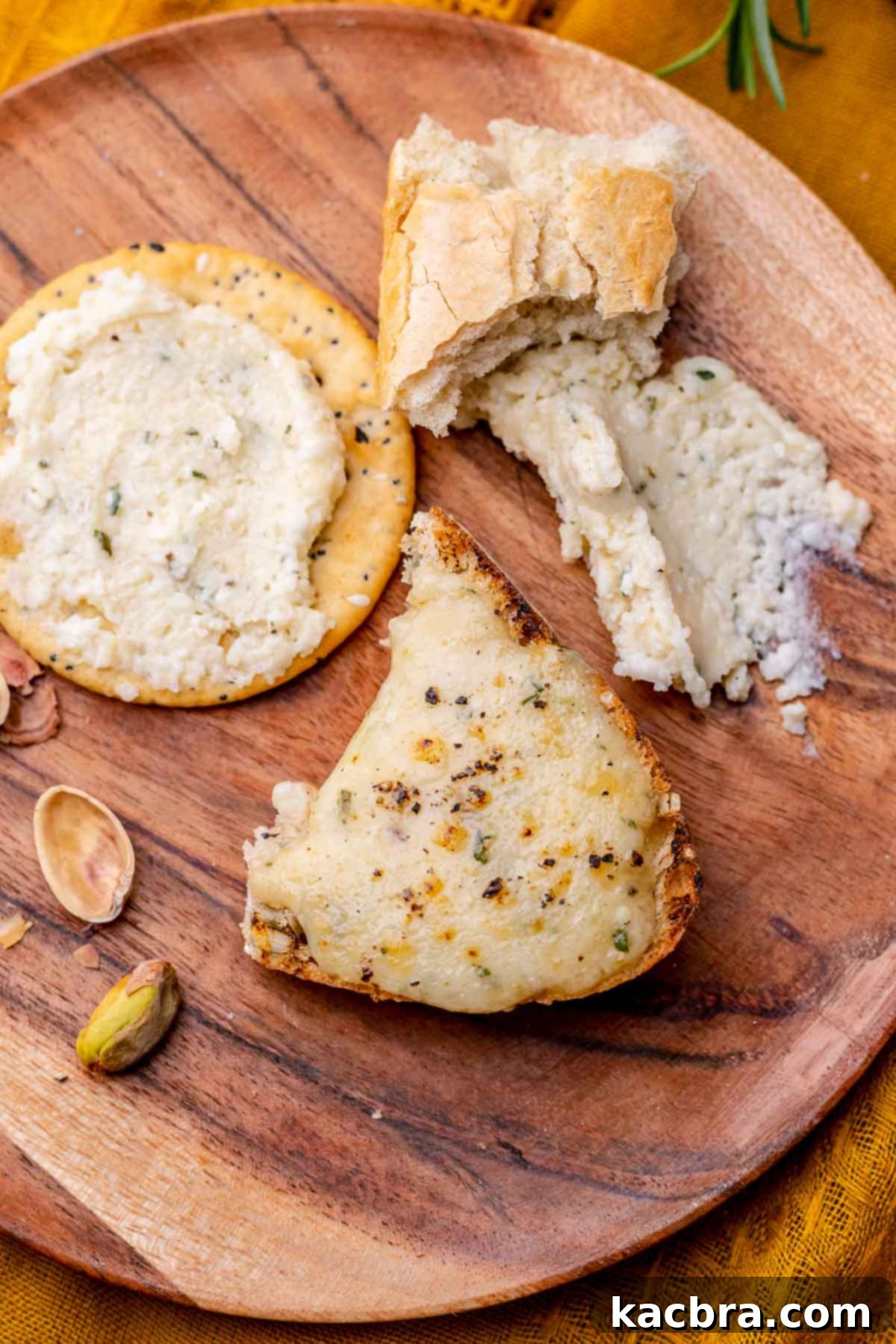
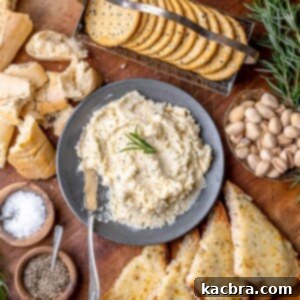
- Classic Cold Spread: Simply serve it at room temperature with a variety of dippers. Think fresh crudités (carrots, celery, bell peppers), an assortment of crackers, crunchy grissini (breadsticks), or slices of crusty baguette or focaccia bread.
- Warm and Toasty: For a comforting and gooey treat, spread Fromage Fort onto slices of baguette, sourdough, or rustic bread and broil them until the cheese is bubbling and slightly golden. This transforms it into an irresistible crostini or open-faced sandwich.
- Sandwich and Wrap Filler: Use it as a flavorful spread in sandwiches, wraps, or even grilled cheese for an elevated twist.
- Sweet and Savory Pairing: Complement the savory richness with fresh or dried fruits like apple slices, pear wedges, grapes, figs, or dates. A drizzle of honey or fig jam can also add a delightful counterpoint.
- Beyond the Board: Incorporate Fromage Fort into other dishes. It would be fantastic mixed into crab-stuffed mushrooms for a heartier appetizer, or spread onto toasted bread and topped with herb-roasted olives. You can even melt it into a pasta sauce for a quick, cheesy richness.
Pairing Fromage Fort with Beverages
The rich and complex flavors of Fromage Fort pair beautifully with a variety of beverages, enhancing the overall culinary experience:
- White Wine: Naturally, a dry white wine that echoes the wine used in the spread is an excellent choice. Think Sauvignon Blanc, Pinot Grigio, or a light Chardonnay. These wines offer acidity that cuts through the cheese’s richness, cleansing the palate.
- Red Wine: For those who prefer red, choose a light-bodied, fruit-forward red wine that won’t overpower the cheese. A light Pinot Noir or a Beaujolais would be delightful. Avoid heavy, tannic reds.
- Beer: A crisp pilsner, a refreshing lager, or a light farmhouse ale can be fantastic companions. Their effervescence and subtle bitterness provide a nice contrast to the creamy cheese.
- Cider: A dry, traditional apple cider offers a wonderful balance with its fruity notes and refreshing acidity.
- Non-Alcoholic Options: Sparkling water with a lemon twist, unsweetened iced tea, or even a non-alcoholic craft beer can provide a refreshing counterpoint without the alcohol.
Fromage Fort Recipe FAQs
Can I make Fromage Fort without a food processor?
Absolutely! If you don’t have a food processor, a standard blender or an immersion (stick) blender can work effectively to combine the ingredients, though you might need to scrape down the sides more frequently. For a more rustic, chunkier spread, you can even mash the cheeses, herbs, and garlic by hand with a sturdy fork or a potato masher. While the texture will be less uniform, it will still be incredibly flavorful and enjoyable.
What kind of cheese works best for Fromage Fort?
The best kind of cheese is truly “whatever you have on hand!” The beauty of Fromage Fort is its ability to utilize a variety of leftover cheeses. Aim for a balance of mild and sharp flavors, and a mix of hard and soft textures. For instance, combine a firm cheddar or Gruyère with a creamy Brie or goat cheese. It’s crucial to avoid using an excessive amount of very powerfully flavored cheeses, such as strong blue cheese or aged Parmesan, as they can easily dominate and unbalance the entire batch.
Why does Fromage Fort taste different each time I make it?
The varying taste is part of the charm and the very essence of this recipe! Unless you use the *exact* same cheeses in the *exact* same proportions every single time, your Fromage Fort will naturally have a unique flavor profile with each batch. This is an invitation to experiment and customize. Taste as you go, and don’t hesitate to adjust the seasonings, herbs, or even the type and amount of wine to create a spread that perfectly suits your palate on any given day. Embrace the delicious unpredictability!
Can I freeze Fromage Fort?
While technically possible, freezing Fromage Fort is generally not recommended. The texture of many cheeses can become crumbly or grainy after being frozen and thawed, and the spread may separate. For best results, it’s always better to enjoy Fromage Fort fresh or within its refrigerated storage window.
Storage Guidelines for Fromage Fort
Fromage Fort is an excellent make-ahead appetizer. Leftovers can be stored in an airtight container in the refrigerator for up to one week. To enjoy the best texture and flavor when serving again, allow the spread to sit at room temperature for about 15-20 minutes before serving. This softens it slightly and allows the flavors to open up.
More Easy Recipes You’ll Love
Important Cooking Notes from The Cozy Plum Kitchen
- All recipes are developed using Diamond Crystal kosher salt, which is known for being less salty than other varieties. If you’re using Morton’s kosher salt or sea salt, you’ll need to reduce the amount by half. Please do not use table salt, as it can drastically alter the seasoning.
- For the most accurate results in baking and cooking, we highly recommend using a digital kitchen scale to measure ingredients by weight.
Did you make this recipe? Share your creation with us! Tag @thecozyplum on Instagram & Facebook. We’d love to hear your thoughts and see your star rating ⭐️ below!
Fromage Fort Recipe Card
Fromage Fort
By Callan Wenner
Whether you’re hosting friends or just indulging in a little cheese snack for yourself, Fromage Fort is a quick and easy way to use up leftover cheese. Mixed with herbs and wine, this flavorful spread can be served hot or cold and comes together in minutes.
Average Rating: 5 stars from 2 votes.
Prep Time: 5 mins
Cook Time: 0 mins
Time to Merry (optional): 1 hr
Total Time: 1 hr 5 mins
Course: Appetizer
Cuisine: French
Servings: 12
Calories: 165 kcal
Equipment
- Food processor, blender, or immersion blender
- Microplane or zester (for garlic, if grating)
Ingredients
- 1 lb cheese, assorted, cut into 1” chunks
- 1-2 tablespoons salted butter (optional, if not using soft cheeses)
- 1 clove garlic, grated (optional)
- 1-2 tablespoons fresh herbs, roughly chopped (e.g., parsley, chives, rosemary, thyme, dill)
- ½ cup dry white wine
- Salt and freshly ground black pepper, to taste
Instructions
- Add the cheese, butter (if using), garlic, herbs, and wine to the bowl of a food processor and pulse to break it down.
- Continue pulsing until the desired texture is achieved. You can keep it chunky, or make it very smooth (this is up to you). Taste, and add salt and pepper as desired, then pulse again to combine.
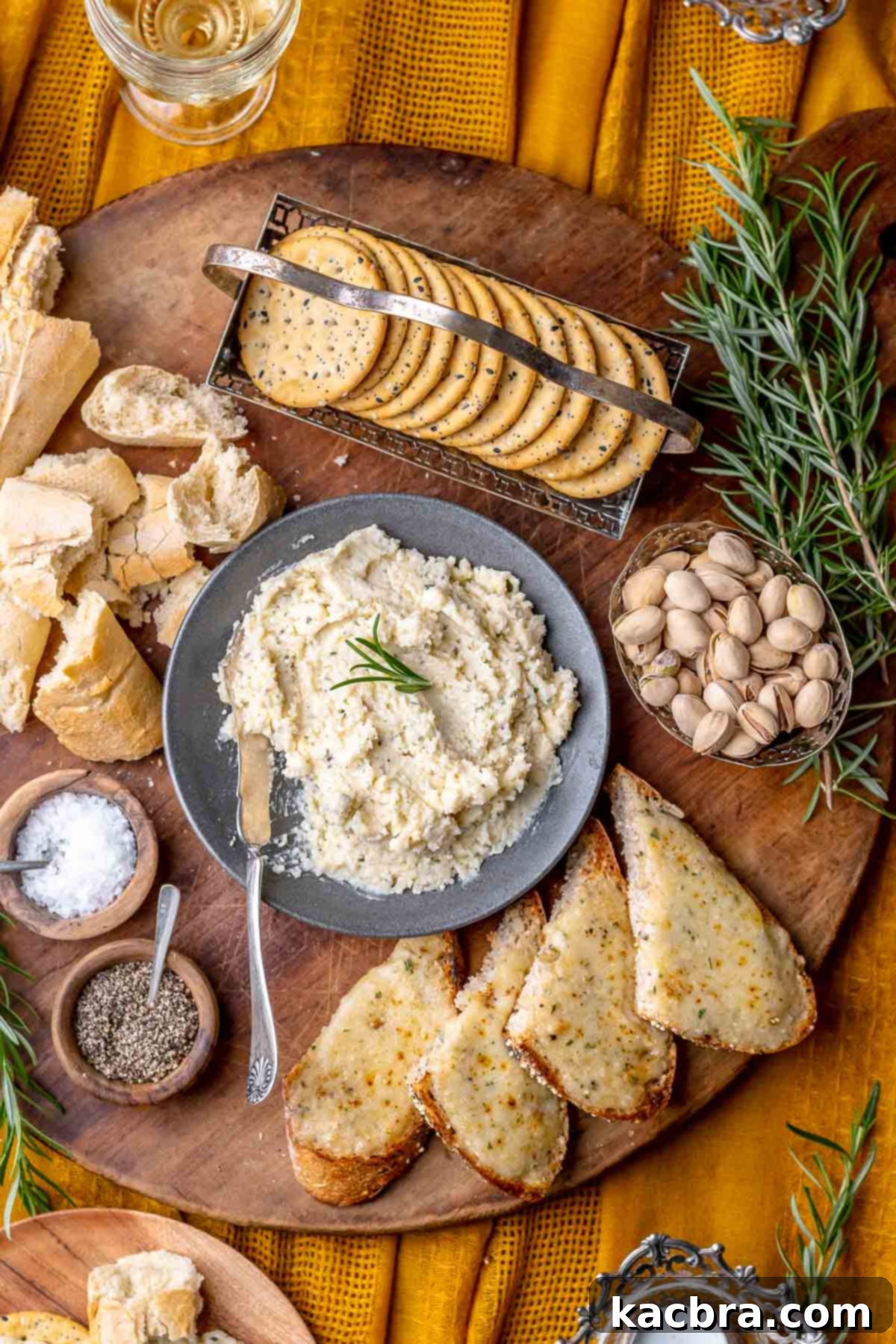
- Serve at room temperature with crackers, grissini, breadsticks, or bread slices. Alternatively, spread the cheese onto slices of bakery bread and broil until melty and golden.
Notes
- Use the spread right away or refrigerate for a few hours or overnight to allow the flavors to merry (our preferred method).
- If you are using any soft cheeses (brie, Camembert, goat, feta, Boursin, cream cheese, etc.), you can confidently omit the butter.
- Don’t go overboard with blue cheese or other very strong cheeses (like aged Swiss or Gruyère), as they can easily overpower the batch. The cheese in the pictured recipe included: Dubliner, Brie, Bellavitano, and Manchego.
- Any type of dry white wine like Chardonnay, Pinot Grigio, or Sauvignon Blanc works wonderfully.
- No two batches are alike – always taste and adjust seasonings, herbs, and wine as you see fit!
Nutritional Information (Estimate per Serving)
Calories: 165 kcal | Carbohydrates: 1g | Protein: 9g | Fat: 14g | Saturated Fat: 8g | Polyunsaturated Fat: 0.5g | Monounsaturated Fat: 3g | Trans Fat: 0.04g | Cholesterol: 40mg | Sodium: 256mg | Potassium: 36mg | Fiber: 0.02g | Sugar: 0.1g | Vitamin A: 436IU | Vitamin C: 1mg | Calcium: 269mg | Iron: 0.1mg
The provided nutritional information is an estimate per serving. Accuracy is not guaranteed.
Tried this recipe?
Let us know how it was!