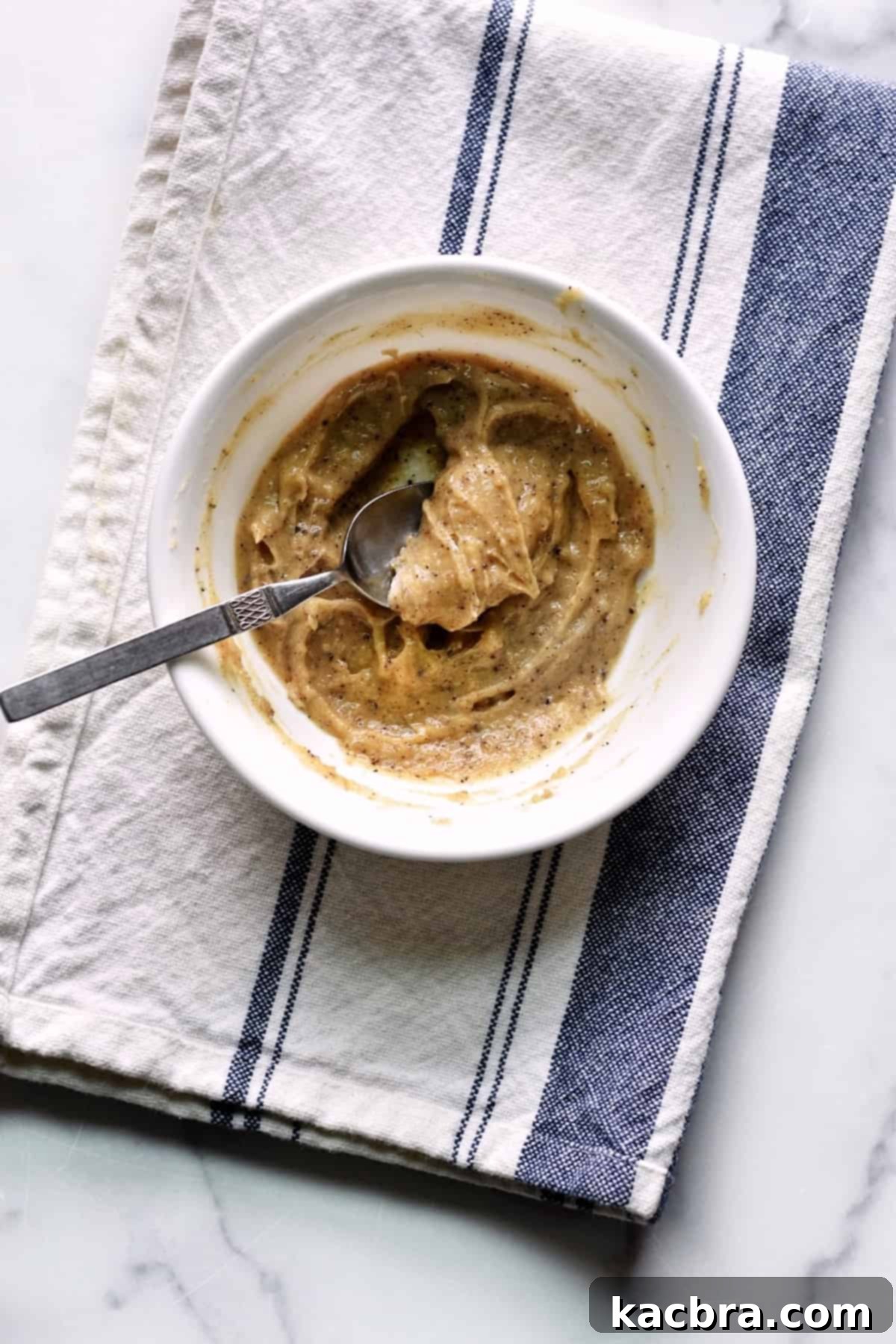
Unlock a world of unparalleled flavor with one of the simplest yet most transformative ingredients in the culinary universe: brown butter. Often revered as ‘liquid gold’ by chefs and home bakers alike, this humble ingredient has the power to elevate any dish from ordinary to extraordinary. With its rich, nutty aroma and deep, toasted notes, brown butter (or beurre noisette, as it’s known in French cuisine) adds an incredible depth and complexity that will utterly revolutionize your cooking and baking. This comprehensive guide will walk you through everything you need to know, from the science behind its creation to perfecting its technique and incorporating it into a wide array of recipes. Prepare to take your culinary creations to an entirely new level!
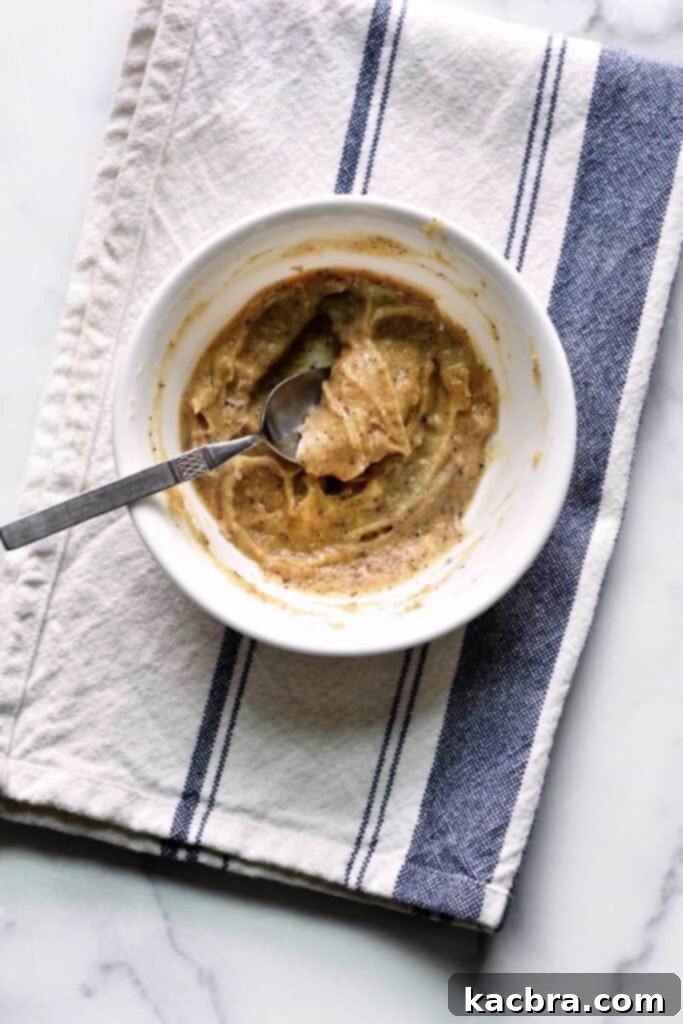
What Exactly is Brown Butter (Beurre Noisette)?
At its core, brown butter is simply butter that has been gently heated until its milk solids toast to a beautiful golden-brown hue. This process, however, is anything but simple in its flavor impact. When you melt butter, it separates into three main components: water, butterfat, and milk solids. As the butter heats, the water evaporates, and the milk solids begin to cook. Through a chemical reaction known as the Maillard reaction (the same process that browns steaks, toasts bread, and gives coffee its rich flavor), these milk solids caramelize, developing a profound, complex flavor profile.
The resulting brown butter is distinctively rich, with notes of toasted nuts, caramel, and a slight savoriness. This transformation imbues a remarkable depth that plain melted butter simply cannot offer, making it a highly prized ingredient in both sweet and savory applications. Think beyond the basic and imagine the warm, inviting aroma it brings to your kitchen – a true testament to its enchanting qualities.
Why Brown Butter is a Culinary Game-Changer
The allure of brown butter lies in its versatility and ability to dramatically enhance flavors without overpowering them. It’s not just an ingredient; it’s a flavor enhancer that acts as a secret weapon in your cooking arsenal. Here’s why it deserves a permanent spot in your culinary repertoire:
- Unmatched Depth of Flavor: It introduces a layer of nutty, toasted, and slightly sweet caramel notes that are incredibly sophisticated and comforting.
- Aromatic Excellence: The moment brown butter begins to form, your kitchen will fill with an intoxicating aroma that signals pure deliciousness.
- Versatility: From delicate pastries and cookies to rich sauces for pasta or roasted vegetables, brown butter seamlessly integrates into a vast range of dishes.
- Simple to Make: Despite its gourmet appeal, making brown butter is surprisingly straightforward, requiring just a few minutes and minimal effort.
- Elevates Everyday Dishes: A drizzle of brown butter can transform a simple piece of toast, scrambled eggs, or steamed vegetables into something truly special.
How to Make Brown Butter: A Step-by-Step Guide to Perfection
Making brown butter is a quick and rewarding process that requires keen observation and a watchful eye. Follow these steps carefully to achieve that perfect golden-brown hue and irresistible nutty flavor.
- Step 1: Preparation and Initial Melt.
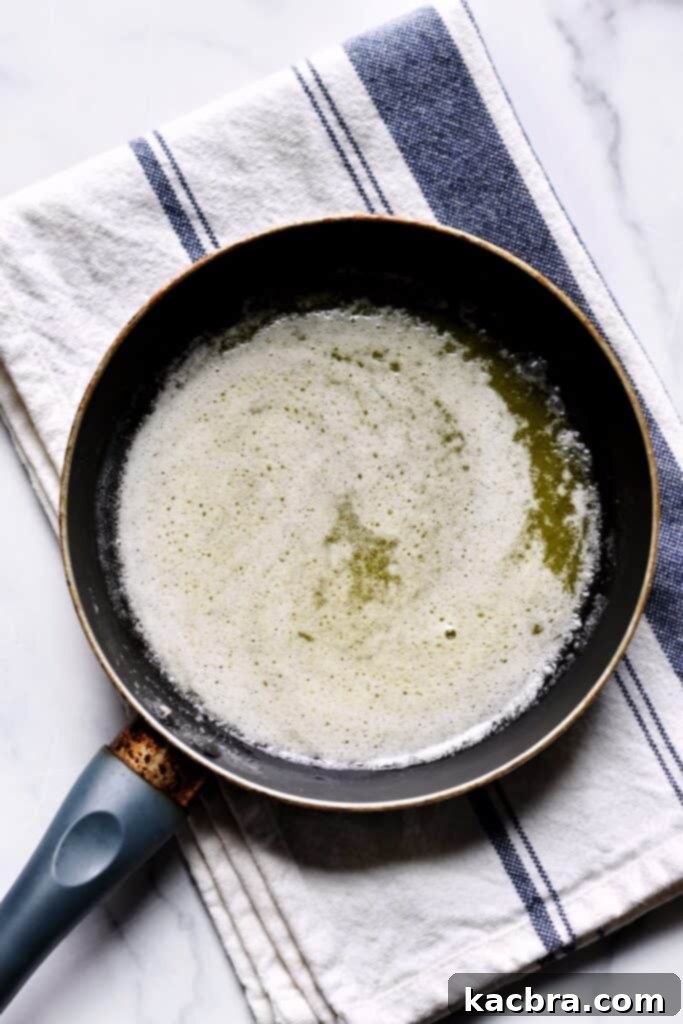
Start with a high-quality unsalted butter for the best flavor control. Place your butter in a light-colored frying pan or saucepan. A light-colored pan is crucial because it allows you to easily monitor the color changes of the milk solids, preventing them from burning. Begin melting the butter over medium heat. To expedite the process and ensure even melting, consider cutting the butter into smaller, tablespoon-sized pieces. As the butter melts completely, it will begin to bubble, foam, and hiss. This initial foaming indicates that the water content in the butter is beginning to cook off.
- Step 2: The Foaming and Sputtering Stage.
The butter will continue to foam vigorously, and you might notice it starting to splatter a bit. At this stage, you’ll hear a distinct increase in noise—this is the sound of the remaining water actively evaporating from the butter. It’s important to actively participate in the process now. Using a heat-resistant rubber spatula (preferred for its ability to scrape effectively) or a whisk, begin stirring the butter and scraping the bottom of the pan every 15-20 seconds. This continuous stirring prevents the milk solids from sticking and burning at the bottom, ensuring they toast evenly. Keep a close watch; the magic is about to happen!
- Step 3: Achieving Golden Perfection.
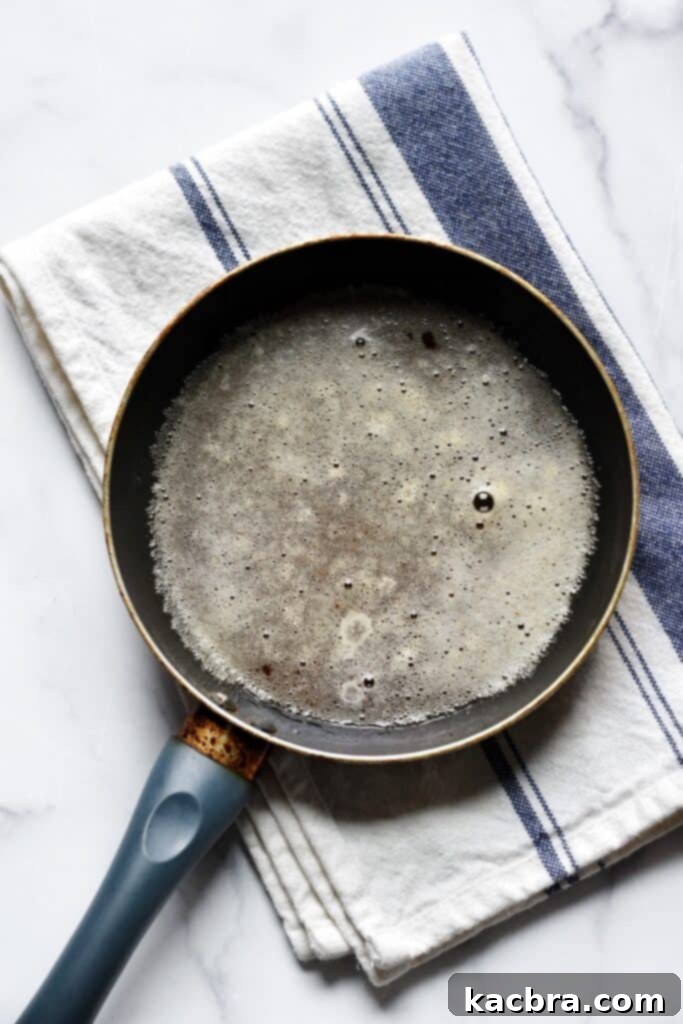
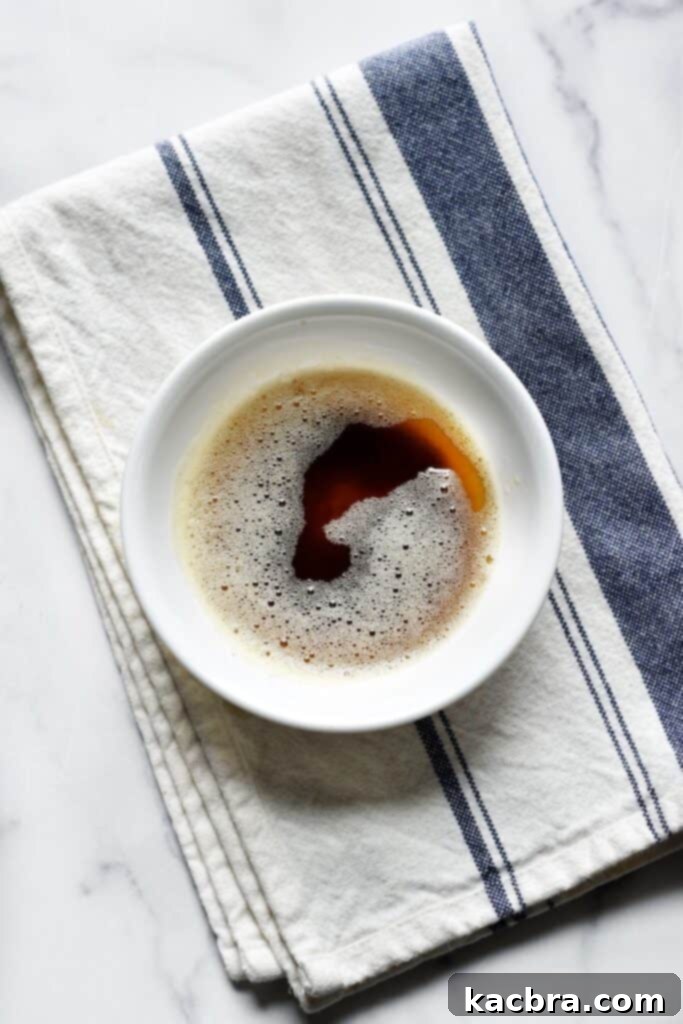
As the water cooks out, the foaming will gradually subside, and the bubbling will become less aggressive. You’ll notice the butter’s color starting to transition from bright yellow to a pale gold, then to a beautiful amber. The sound will also diminish significantly, becoming quieter. Continue stirring and scraping the bottom of the pan diligently every 15 seconds. These tiny brown specks forming at the bottom are the toasted milk solids – the very essence of brown butter’s magnificent flavor. Once the butter takes on a rich, nutty aroma reminiscent of toasted hazelnuts and turns an even golden-amber color, it’s ready. The entire process typically takes about 5-8 minutes, depending on the quantity of butter and heat level. Do not walk away; the difference between perfectly browned and burnt butter is mere seconds!
- Step 4: Immediate Transfer.
As soon as your brown butter reaches the desired color and aroma, immediately remove the pan from the heat and pour the entire contents into a heatproof bowl. It is critical to transfer it promptly because the residual heat in the pan can cause the milk solids to continue cooking and quickly burn, leading to a bitter taste. Be sure to scrape every last bit of those delicious brown specks from the bottom of the pan into the bowl – that’s where the most intense flavor resides! Depending on your recipe’s requirements, you can use the brown butter immediately in its liquid form or allow it to cool and solidify to a spreadable consistency.
Essential Tips for Perfect Brown Butter Every Time
While making brown butter is simple, a few expert tips can ensure consistently perfect results and help you avoid common pitfalls.
- Account for Water Evaporation: Butter contains a significant amount of water (about 15-20%). During the browning process, this water evaporates, reducing the overall volume of the butter. To ensure your recipe has the correct amount of butterfat, always start with an extra two tablespoons of butter for every ½ cup (1 stick, 113g) the recipe calls for. For instance, if a recipe requires 1 cup (2 sticks, 226g) of brown butter, you should begin with 1 cup plus 4 tablespoons (284g) of butter in your pan. This ensures that after browning and water loss, you’re left with the intended quantity of rich, flavorful brown butterfat.
- Measure Accurately: After browning, it’s a good practice to measure your brown butter by weight or using a liquid measuring cup to confirm you have the precise amount required by your recipe. If you find yourself slightly short (e.g., a teaspoon or two), you can add a tiny bit of water or unbrowned butter to reach the correct volume. However, if you are more than a tablespoon or two off, it’s best to brown a little more butter to ensure the integrity of your recipe.
- Choose the Right Pan: Always opt for a light-colored pan. This allows you to clearly see the color development of the milk solids, which is crucial for preventing them from burning. Dark-bottomed pans can obscure the true color, leading to over-browning.
- Maintain Medium Heat: Resist the urge to brown butter over high heat to speed up the process. Medium heat provides better control, allowing the water to evaporate gradually and the milk solids to toast evenly without scorching. High heat can quickly burn the solids before the water has fully cooked off.
- Don’t Stop Stirring: Continuous stirring and scraping the bottom of the pan are non-negotiable. This ensures that the milk solids don’t settle and burn, and instead, brown uniformly, contributing to that desirable nutty flavor.
- Speed is Key at the End: Once the butter reaches your desired amber color and nutty aroma, remove it from the heat immediately. Even a few extra seconds in a hot pan can turn perfectly browned butter into bitter, burnt butter due to carryover cooking.
- Storage: Store leftover brown butter in an airtight container in the refrigerator for up to two weeks. It will solidify, just like regular butter, and can be easily re-melted or brought to room temperature as needed.
How to Incorporate Brown Butter into Your Recipes
The method for using brown butter depends on the original butter state called for in your recipe (melted, softened, or room temperature). Understanding these nuances is key to successful brown butter integration.
- For Recipes Calling for Melted Butter: If your recipe requires melted butter, simply use the liquid brown butter. However, ensure it cools in a heatproof bowl for at least 10 minutes before combining it with other ingredients. Adding hot brown butter directly to ingredients like eggs, sugar, or flour can negatively alter their properties, potentially leading to a curdled mixture, an overly dense texture, or a failed recipe. Allowing it to cool slightly helps maintain the intended chemical balance of your batter or dough.
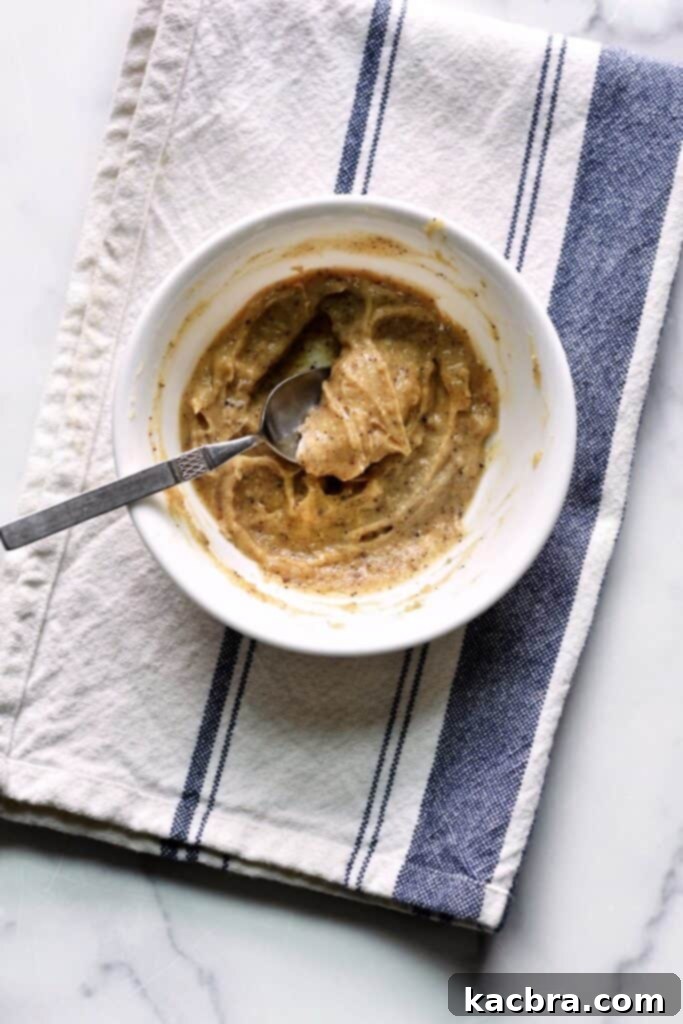
- For Recipes Calling for Room Temperature or Softened Butter: For recipes such as cookies, cakes, or frostings that rely on creaming softened butter with sugar, you’ll need your brown butter to solidify and return to a soft, pliable, “room temperature” consistency. After browning and transferring it to a heatproof bowl, allow it to cool naturally until it becomes opaque and begins to set. If you’re impatient (like many enthusiastic bakers!), you can place the bowl in the refrigerator or freezer. Stir it every 5 minutes or so to ensure even cooling and to prevent it from becoming too hard. The ideal consistency is a “soft pomade” or a texture similar to soft coconut oil or peanut butter – soft enough to easily scoop with a spoon but firm enough to hold its shape. Crucially, make sure to scrape all the delicious brown bits from the bottom of the bowl and incorporate them thoroughly. These flavorful specks are where the magic truly happens! If your brown butter becomes too hard, simply let it sit at room temperature for a short while until it reaches the desired consistency.
- Direct Substitution vs. Recipe Adaptation: In many recipes, brown butter can be directly substituted for regular butter, especially in baking where its nutty notes complement existing flavors. However, due to the slight moisture loss, for recipes that are very sensitive to liquid content, you might consider adjusting other wet ingredients minimally or simply accepting the slight change in texture that brown butter brings, which is often a desirable outcome.
Unlocking Flavor: Recipes Featuring Brown Butter
Brown butter’s captivating flavor profile makes it a star ingredient in a multitude of dishes, transforming the familiar into the extraordinary. Here are just a few ideas to get you started:
- Brown Butter Chocolate Chip Cookies: The quintessential use, adding an incredible depth to a classic.
- Spiced Pear Cake with Brown Butter Frosting: A warm, comforting pairing that elevates fruit desserts.
- Browned Butter Blondies (with chocolate chips): For a chewy, caramel-like treat with an irresistible nutty undertone.
- Pasta Sauces: Drizzle over ravioli or tortellini with a sage brown butter sauce for an elegant savory dish.
- Vegetables: Toss roasted or steamed vegetables like asparagus, green beans, or Brussels sprouts with brown butter for a simple yet profound enhancement.
- Muffins and Scones: Substitute regular butter in your favorite muffin or scone recipe for an added layer of richness.
- Pancakes and Waffles: Whisk brown butter into your batter for breakfast items that are anything but basic.
- Popcorn: A drizzle of brown butter instead of regular melted butter transforms snack time into a gourmet experience.
📖 Recipe: Making Brown Butter

Making Brown Butter
Callan Wenner
Pin Recipe
Equipment
- Frying pan or saucepan
- Rubber spatula or whisk
Ingredients
- ½ cup unsalted butter (113g) – turns into brown butter
Instructions
- Place a frying pan or saucepan over medium heat and add the butter. As it begins to melt, swirl the pan a few times to nudge it along.
- Once the butter has melted and starts to foam, begin stirring every 15 seconds with a rubber spatula (or whisk).
- Continue stirring and scraping the bottom. The butter will begin to bubble and splatter and will start to get slightly darker in color.
- Once the splattering dies down, there will be a noticeable deepening of color and aroma. Your butter is just about done.
- Pour the butter into a heatproof bowl and scrape all of the brown bits out of the bottom of the pan into the bowl.
- Allow the butter to cool for at least 10 minutes if using melted. If room temperature is needed, allow the butter to solidify.
- Use the brown butter as directed in the intended recipe.
Notes
When browning butter, you will need to add an additional 2 tablespoons per ½ cup of butter used due to water evaporating from the butter. If your recipe calls for 1 cup of butter and you’d like to substitute with brown butter, you’ll need to brown 1 cup + 4 tablespoons of butter for the correct yield.
Carbohydrates: 1g
Protein: 1g
Fat: 92g
Saturated Fat: 58g
Polyunsaturated Fat: 3g
Monounsaturated Fat: 24g
Trans Fat: 4g
Cholesterol: 244mg
Sodium: 12mg
Potassium: 27mg
Sugar: 1g
Vitamin A: 2836IU
Calcium: 27mg
Iron: 1mg
The provided nutritional information is an estimate per serving. Accuracy is not guaranteed.