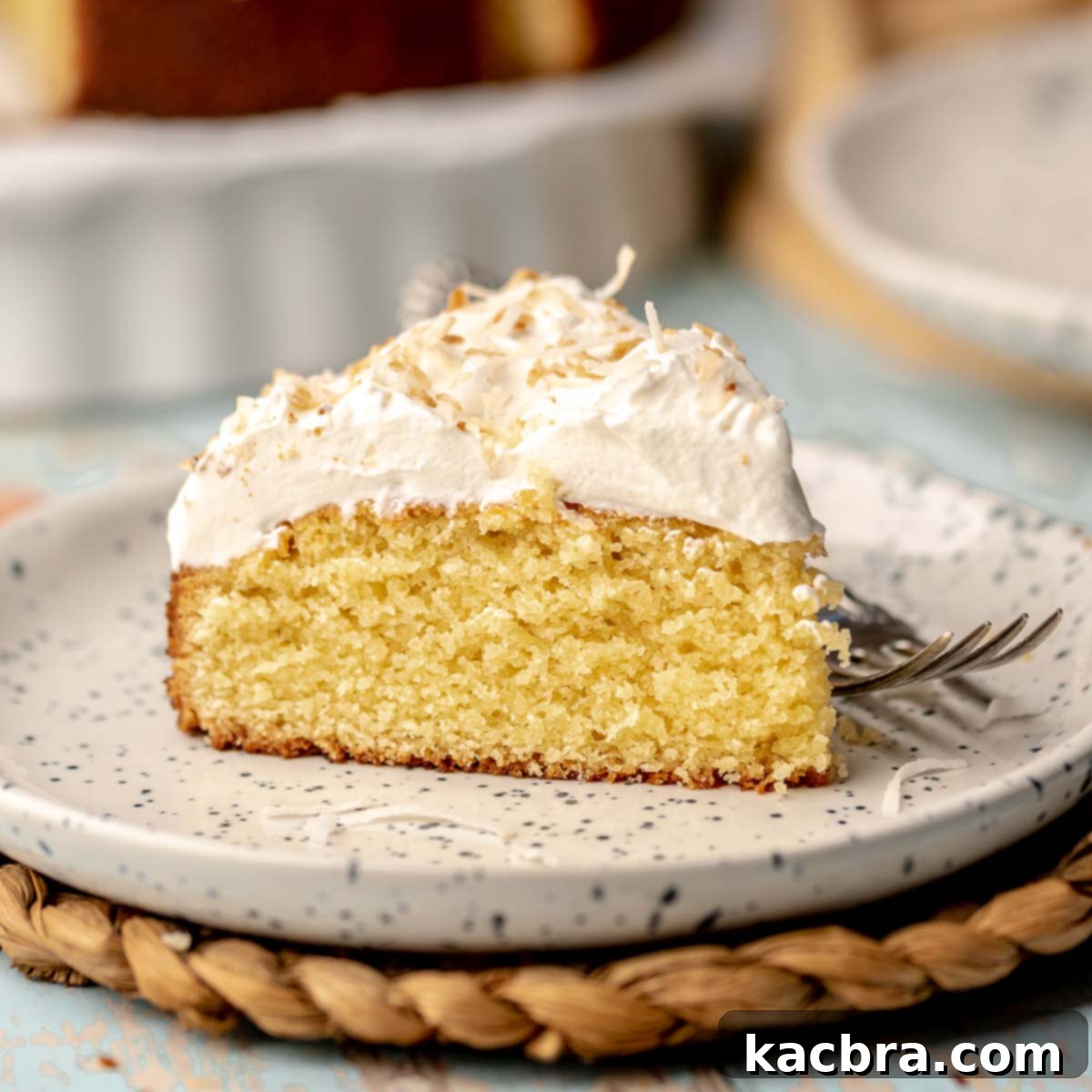
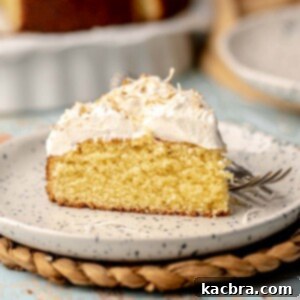
The Coconut Almond Cake is a truly delightful dessert, offering a perfect harmony of flavors and textures that tantalize the palate. This lightly sweet single-layer cake boasts irresistibly chewy, caramelized outer edges, yielding to an incredibly moist and soft interior. The secret to its exquisite texture lies in the generous addition of almond flour, which not only imparts a delicate nutty flavor but also ensures a wonderfully tender crumb. While this cake is utterly satisfying on its own, its elegance can be further elevated with a luscious covering of fluffy coconut whipped cream and a sprinkle of perfectly toasted coconut pieces. It’s a versatile treat that promises a taste of sunshine and comfort in every bite.
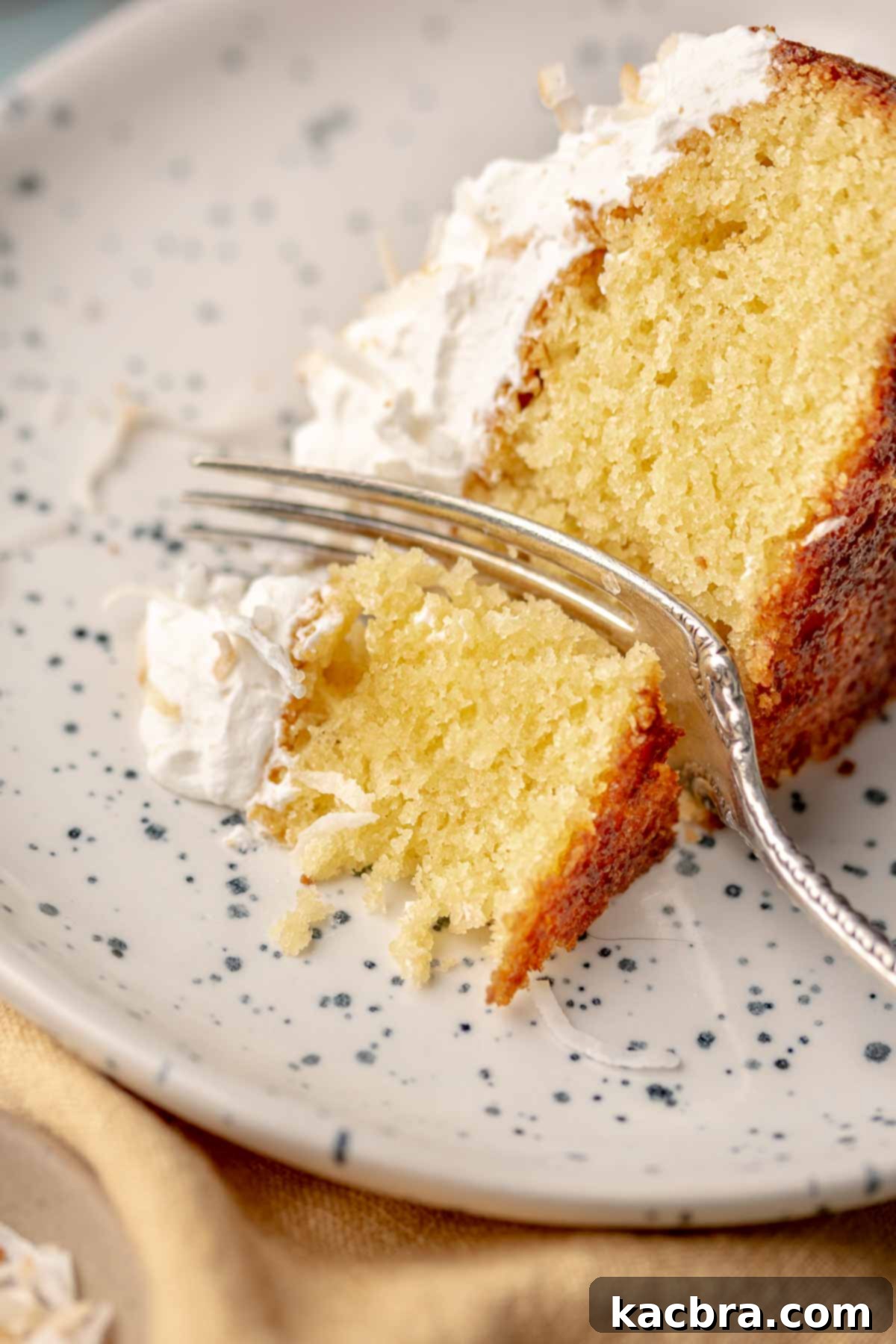
Subtly infused with fragrant coconut extract, this almond cake is an ideal confection to mark the subtle shifts between seasons. Its light and airy texture makes it a refreshing choice for warmer spring and summer days, yet its rich and decadent flavor profile provides a cozy indulgence perfect for a chilly evening. This cake effortlessly bridges the gap between light refreshment and comforting treat, making it a beloved staple for any occasion. If you’re craving an extra burst of fruity zest, consider exploring our raspberry coconut cake for a different, yet equally delightful, tropical experience.
Almond flour is a powerhouse ingredient in the world of baking, particularly for cake recipes. Its finely ground texture is instrumental in creating an open, tender crumb that remains exceptionally buttery and moist, a quality often hard to achieve with all-purpose flour alone. Beyond its structural benefits, almond flour introduces a delicate, sweet nuttiness that complements a wide array of flavors. This makes it an indispensable component in many of our favorite bakes, including our rustic upside-down fig cake, the vibrant raspberry almond cake, and even in sophisticated French pastries like a delectable frangipane galette or our exquisite strawberry almond bostock pastry. Its versatility not only enhances flavor and texture but also offers a gluten-friendly alternative for many recipes, making it a truly celebrated ingredient in the kitchen.
Why You’ll Adore This Coconut Almond Cake
This Coconut Almond Cake isn’t just another dessert; it’s an experience waiting to happen. Here’s why this recipe is bound to become a fast favorite in your baking repertoire:
Effortless One-Bowl Wonder: Imagine the joy of creating a sophisticated cake with minimal cleanup. Both the cake batter and the airy whipped cream topping can be prepared using the same bowl (with a quick wash in between, of course!). This streamlined process means less time scrubbing and more time savoring. It’s an incredibly straightforward recipe, requiring only a few essential tools and readily available ingredients, making it perfect for both novice bakers and seasoned pros seeking simplicity.
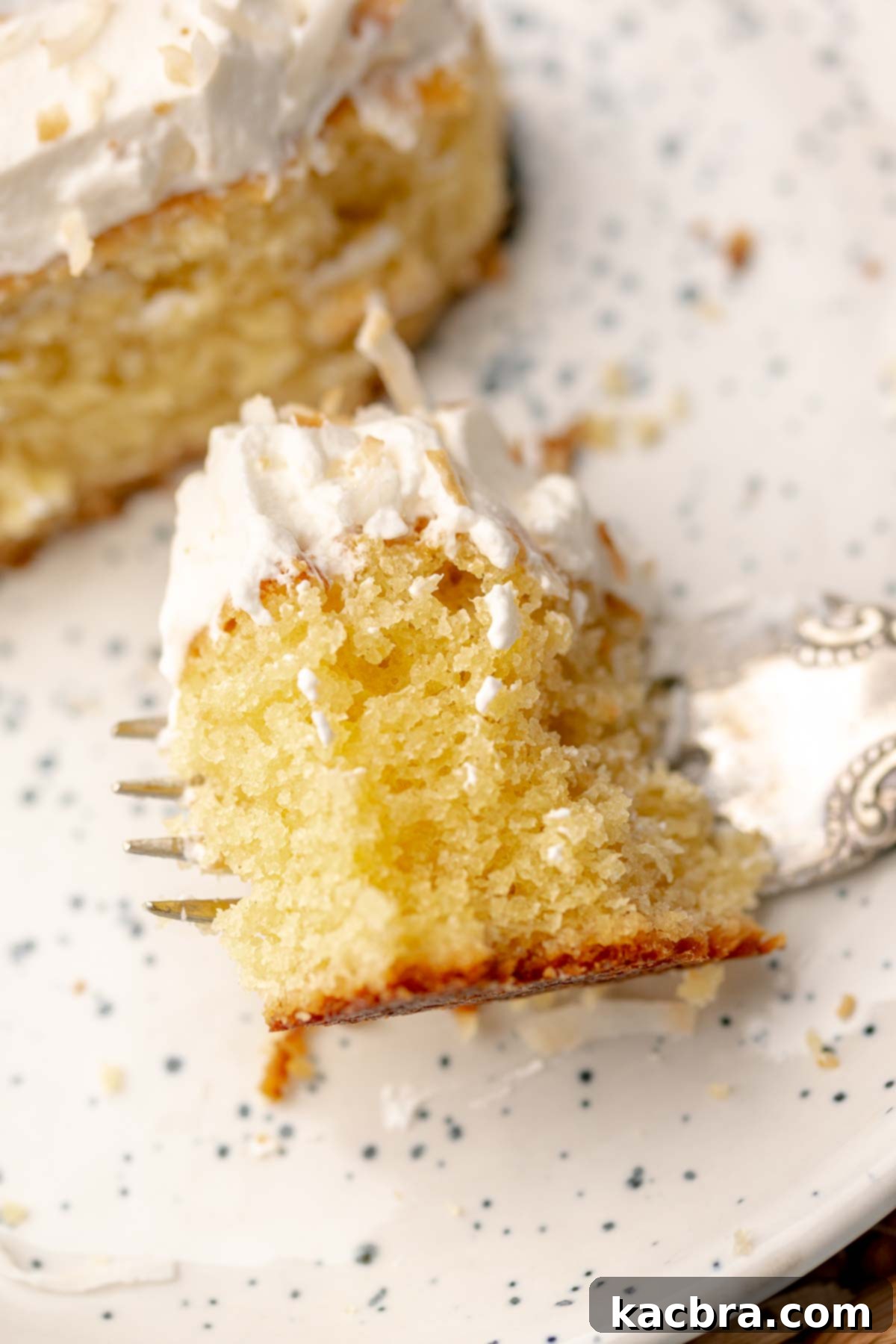
Harmonious Textural Contrast: Prepare for a delightful interplay of textures that elevates each bite. The careful balance of sugar and butter during the creaming process, combined with the ideal baking temperature, creates a slightly chewy, beautifully caramelized crust around the edges of the cake. This crisp exterior perfectly contrasts with the interior, which remains incredibly moist, soft, and tender. This luxurious crumb is largely thanks to the eggs and the hydrating properties of almond flour, preventing any dryness and ensuring a melt-in-your-mouth experience.
Exquisite Tropical Flavor Profile: The star of this cake’s flavor is a delicate yet distinct coconut essence, achieved through the clever use of coconut extract. This produces a light, sweet, and wonderfully aromatic tropical note that transports you to an island paradise with every forkful. When paired with a cloud of homemade coconut whipped cream and a generous sprinkling of golden toasted coconut flakes, the flavor journey becomes even more profound and satisfying. For a truly immersive tropical dessert experience, serve a slice alongside some creamy coconut sorbet – it’s a match made in heaven that amplifies the coconut notes beautifully.
Enriched by Almond Flour: Beyond its role in moisture and tenderness, almond flour brings a subtle, sophisticated nuttiness that perfectly complements the coconut. It contributes to a rich, complex flavor profile without being overpowering, adding depth and a gourmet touch to this simple cake. This ingredient also makes the cake naturally gluten-friendly (when combined with a suitable all-purpose flour substitute), offering a more inclusive dessert option for various dietary preferences.
Essential Ingredients for Your Coconut Almond Cake
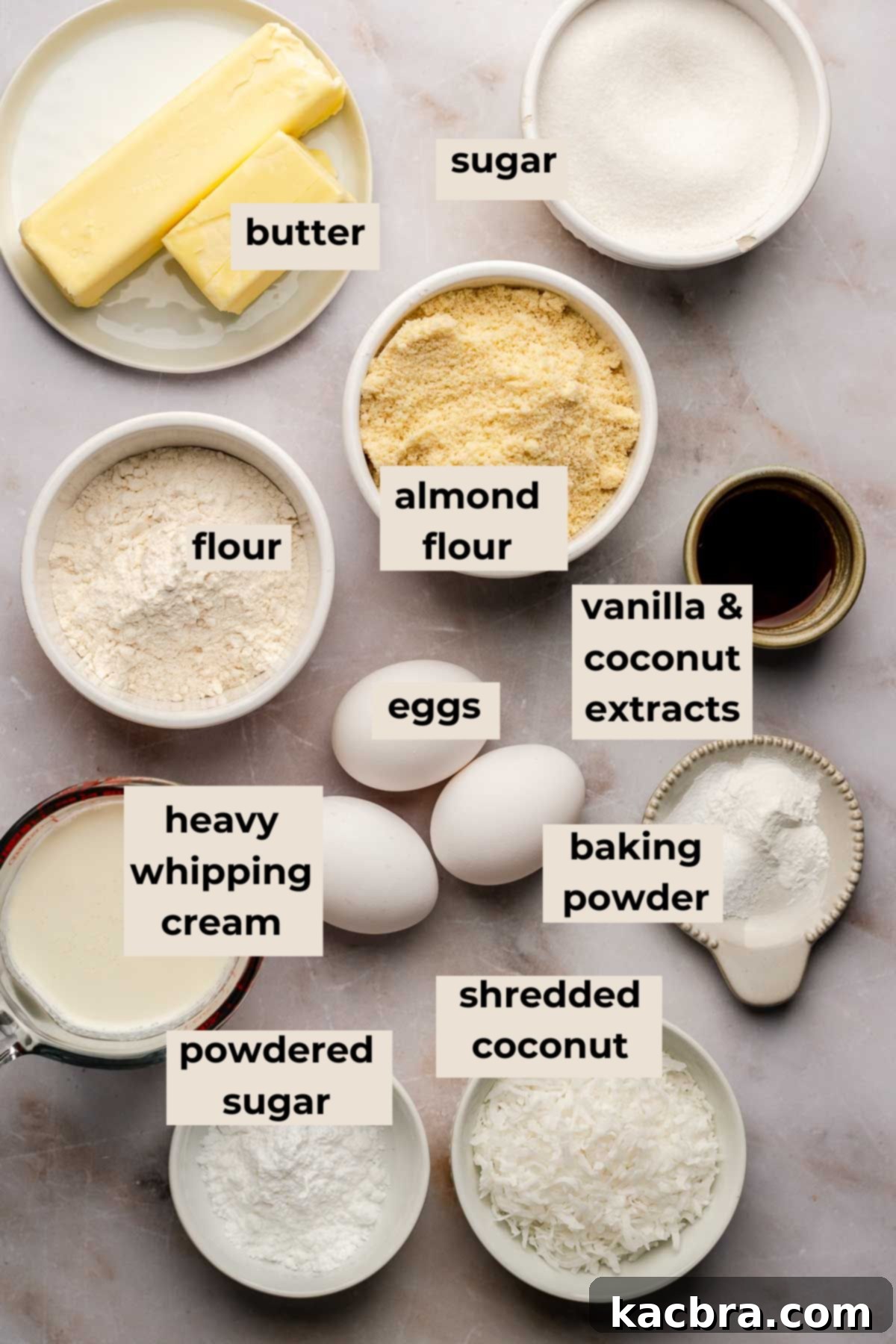
- Unsalted Butter: This is the foundation of our cake’s richness and tender texture. It’s crucial that your butter is at true room temperature – soft enough to make an indentation with your finger, but not melted or greasy. Proper room temperature butter creams beautifully with sugar, incorporating air for a light cake.
- Granulated Sugar: Our primary sweetener, granulated sugar, does more than just add sweetness. It plays a vital role in creating a moist interior by attracting and retaining moisture. When creamed with butter, it creates tiny air pockets, contributing to the cake’s delicate crumb.
- Large Eggs: Eggs provide structure, richness, and additional moisture to the cake. Like butter, they should be at room temperature. This allows them to emulsify more effectively with the butter and sugar, resulting in a smooth, homogenous batter that holds more air and bakes evenly. Whisking them lightly before adding helps ensure even distribution.
- Coconut Extract: This key ingredient is responsible for infusing our cake with its signature tropical flavor. Look for it in the baking aisle alongside other extracts. Using extract ensures a consistent and potent coconut flavor without altering the cake’s texture with added moisture.
- All-Purpose Flour: While a smaller amount than almond flour, all-purpose flour provides the necessary gluten structure for the cake to hold its shape. For those with dietary restrictions, this can be seamlessly substituted with a high-quality gluten-free baking flour blend, specifically a 1-to-1 variety, to maintain texture and consistency.
- Baking Powder: As the sole leavening agent in this recipe, baking powder is crucial for achieving the cake’s desired lift and airy texture. It reacts with moisture and heat to produce carbon dioxide gas, creating bubbles that expand during baking, resulting in a tender rise.
- Almond Flour: Finely ground almond flour is the star of this recipe, contributing significantly to the cake’s moist, tender, and open crumb. It also adds a delicate nutty flavor that perfectly complements the coconut. We recommend using finely ground blanched almond flour for the best results, as coarser grinds can result in a heavier cake. See our section below for instructions on how to make your own.
- Heavy Whipping Cream: This cold cream is whipped into a light and airy topping, providing a beautiful contrast to the cake. Its high-fat content allows it to hold stiff peaks, creating a luscious, stable whipped cream that’s perfect for frosting.
- Shredded Coconut: Whether you prefer sweetened or unsweetened, shredded coconut adds a wonderful chewiness and concentrated coconut flavor. It gets lightly toasted to enhance its aroma and adds a delightful textural element and visual appeal when sprinkled over the whipped cream.
Please refer to the complete recipe card for precise ingredient quantities and detailed instructions.
Crafting Your Own Fresh Almond Flour
Making your own almond flour at home is surprisingly simple and can offer a fresher taste compared to some store-bought varieties. All you need are blanched almonds and a high-speed blender or a food processor.
To begin, add 1 ½ cups of blanched almonds (these can be slivered or whole, as long as the skins have been removed) to your high-speed blender or food processor. Process the almonds in short bursts, typically 5 seconds at a time, stopping frequently to scrape down the sides of the bowl and loosen any clumps. This intermittent processing is key to achieving a fine, flour-like consistency.
The entire process should take no more than about 30 seconds. The goal is a powdery texture. Be vigilant: if you over-process the almonds, the natural oils will begin to release, and the flour will quickly transform into a thick, sticky almond paste or butter. Should this happen, don’t despair! Simply continue processing until it reaches a smooth, creamy almond butter consistency, and enjoy it as a delicious spread instead. For perfect almond flour, pulse carefully and avoid continuous blending.
Exciting Variations and Creative Customizations
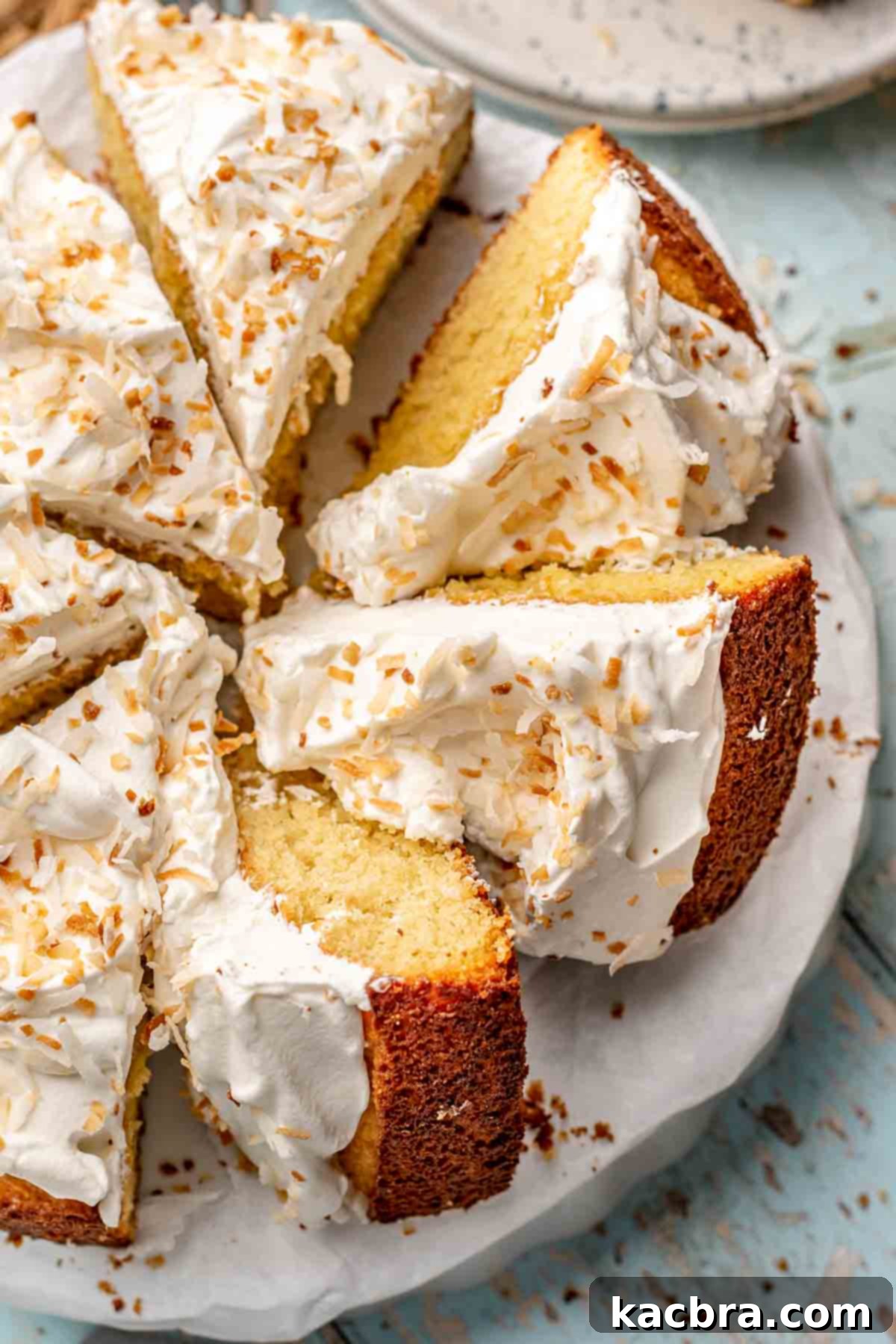
While our classic Coconut Almond Cake is undeniably delicious, it’s also wonderfully adaptable! Don’t hesitate to get creative with these inspiring substitutions and variations to tailor the cake to your personal taste or specific occasion:
- Zesty Lemon Coconut Almond Cake: For a bright and tangy twist, add 2 tablespoons of finely grated lemon zest to your granulated sugar. Rub the zest into the sugar with your fingertips before creaming it with the butter. This simple step releases the aromatic oils from the lemon, infusing the cake with a vibrant citrus note that beautifully complements the coconut and almond flavors.
- Gluten-Free Delight: Making this almond cake gluten-free is incredibly easy. Simply substitute the all-purpose flour with a 1-to-1 gluten-free baking flour blend. We highly recommend using Bob’s Red Mill 1-to-1 Gluten Free Baking Flour for its reliable results, as it often includes xanthan gum for optimal texture without any gritty aftertaste.
- Fresh Fruit Extravaganza: Elevate the cake’s freshness by topping it with a generous scattering of fresh raspberries, blueberries, sliced strawberries, or even a medley of tropical fruits like mango or pineapple. The natural sweetness and slight tartness of the fruit provide a wonderful contrast to the cake’s rich flavors and soft textures.
- Elegant Layer Cake Presentation: To transform this single-layer cake into a stunning centerpiece for a special occasion, double the recipe for the coconut whipped cream. Once the cake is completely cooled, carefully slice it horizontally into two equal layers. Fill the center with a thick layer of whipped cream, then reassemble and frost the entire cake. Garnish with extra toasted coconut and fresh fruit for an impressive finish.
- Toasted Almond Crunch: For an extra layer of nutty flavor and delightful crunch, incorporate toasted almond slices on top of the coconut whipped cream. You can use them in addition to the toasted shredded coconut or as a standalone garnish. The toasted almonds add a sophisticated touch and enhance the cake’s overall almond profile.
- A Simple Tea Cake: If you prefer a less indulgent treat or are serving it for a casual gathering, feel free to omit the whipped cream topping entirely. The coconut almond cake is incredibly flavorful and moist on its own, making it a perfect companion for a cup of tea or coffee. Its simplicity allows the pure flavors of almond and coconut to shine through.
Mastering Whipped Cream with Coconut Cream
Our recipe for coconut whipped cream typically calls for standard heavy whipping cream, beautifully flavored with coconut extract. However, for a truly vegan option or a more intense natural coconut flavor, you can absolutely create a delicious whipped topping using actual coconut cream.
To achieve this, the crucial first step is to thoroughly chill a can of full-fat coconut milk (or a can of pure coconut cream if you can find it) in the refrigerator overnight. It must be completely cold, ideally for at least 8-12 hours, to ensure the cream separates from the liquid.
Once chilled, carefully remove the can from the fridge without shaking it. Open the can and gently spoon out only the thick, solidified coconut cream that has risen to the top, leaving the watery liquid behind. Place this firm coconut cream into the bowl of a stand mixer fitted with a whisk attachment (or use a handheld electric mixer).
Begin whipping the coconut cream on medium-high speed until it becomes light, fluffy, and forms soft peaks, much like traditional whipped cream. Once it reaches this consistency, add powdered sugar to taste and continue whisking until thoroughly combined and the mixture is smooth and sweet. This method yields a delightful, dairy-free coconut whipped cream that’s rich in flavor and wonderfully airy.
How to Bake Your Perfect Coconut Almond Cake
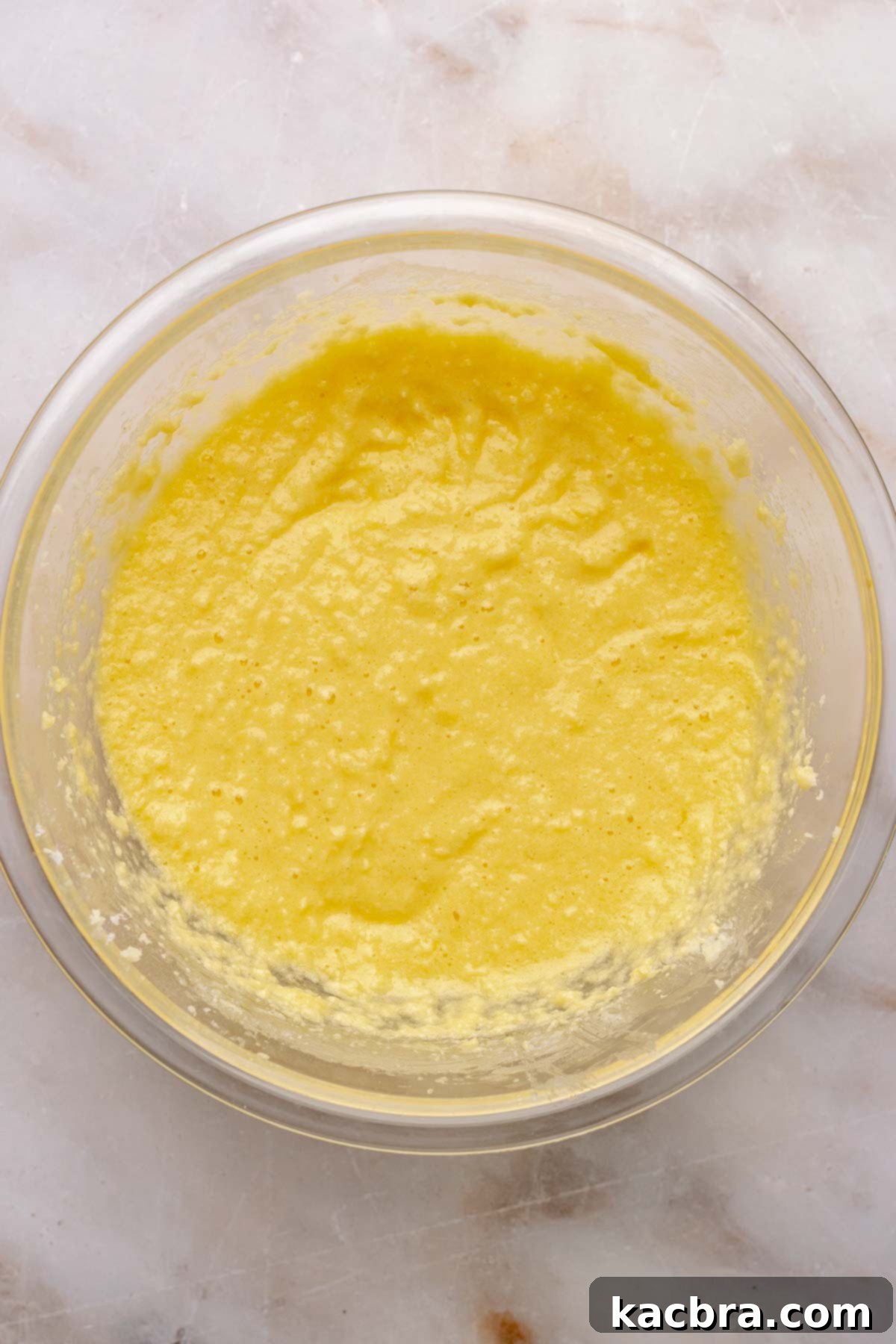
Hot Tip! It’s completely normal for the batter to appear slightly curdled after adding the eggs. Don’t worry! This will resolve itself and come together beautifully once the dry ingredients are gently incorporated into the mixture.
Expert Tips for a Flawless Coconut Almond Cake
- Room Temperature Ingredients are Key: Always ensure your butter and eggs are at room temperature. This allows them to emulsify correctly, creating a smooth batter that incorporates air efficiently, leading to a lighter, more tender cake with a fine crumb.
- Avoid Overmixing: Once you’ve added the dry ingredients, mix only until just combined. Overmixing develops gluten, which can result in a tough, dense cake. Especially with the almond flour, fold it in gently by hand at the very end to preserve the delicate texture.
- Gentle Handling During Baking: When checking for doneness, try to do so without removing the pan from the oven if possible. If you must open the oven door, do so gently and avoid slamming it. Sudden temperature changes or vigorous movements can cause the delicate structure of the cake to collapse, leading to a sunken center.
- Cool Completely: Patience is a virtue when it comes to cooling cakes! Ensure your cake is completely cool before attempting to add the whipped cream. Applying whipped cream to a warm cake will cause it to melt and slide right off, creating a messy rather than magnificent dessert.
- Chill Toasted Coconut: After toasting your shredded coconut, spread it on a plate and allow it to cool completely to room temperature before sprinkling it over the whipped cream. Warm coconut will also cause the cream to melt and can become soggy, losing its delightful crispness.
- Proper Pan Preparation: Always grease and line your cake pan with parchment paper. This simple step ensures that your cake releases easily from the pan without sticking or tearing, preserving its perfect shape.
- Accurate Oven Temperature: An oven thermometer is a baker’s best friend. Oven temperatures can vary, so ensure your oven is preheated accurately to the specified temperature for consistent baking results.
Frequently Asked Questions About Coconut Almond Cake
Almond flour is a game-changer! It significantly enhances both the flavor and texture of the cake. Its fine consistency and high-fat content contribute to an incredibly moist, tender, and buttery crumb. It also helps create a slightly more open and delicate cake structure, while imparting a lovely, subtle nutty flavor that pairs beautifully with the coconut. Furthermore, it adds richness without making the cake heavy.
A sunken cake can be disappointing, but it’s often due to a few common reasons. The cake might not have been baked long enough, meaning the internal structure wasn’t fully set before cooling. Another culprit is frequently opening or slamming the oven door during baking, which causes a sudden drop in temperature. Lastly, a rapid change in temperature during the initial cooling phase, such as moving a hot cake to a very cold area, can also cause it to collapse. Ensure even baking and gentle handling!
Absolutely! This recipe is very adaptable for gluten-free diets. We recommend substituting the all-purpose flour with a 1-to-1 gluten-free baking flour blend, specifically Bob’s Red Mill 1-to-1 Gluten Free Baking Flour. These blends are formulated to mimic the properties of wheat flour, ensuring a similar texture and rise without the gluten.
Yes, you can certainly adapt the recipe to different pan sizes, though baking times will vary. The original recipe was developed for an 8-inch round cake pan. If you prefer a loaf cake, you can bake this batter in a standard 9×5 inch loaf pan (lined with a parchment paper sling) for approximately 35-45 minutes. For a larger 9-inch round cake pan, you might need to reduce the bake time by about 5-10 minutes. Always test for doneness with a toothpick inserted into the center. Remember to adjust quantities if you want a larger or smaller cake and consider a pan size converter for precise scaling.
You can use either sweetened or unsweetened shredded coconut, depending on your preference for sweetness. Sweetened coconut will add a little extra sugary flavor and slightly stickier texture when toasted, while unsweetened will offer a more pure coconut taste and a crisper texture. Both work beautifully for the topping.
Storage Guidelines for Optimal Freshness
Proper storage is essential to maintain the delicious taste and texture of your Coconut Almond Cake. Here are the best practices for keeping your cake fresh:
Storing Without Whipped Cream: If you plan to enjoy the cake over several days, it’s best to store it without the whipped cream topping. Once the cake has cooled completely to room temperature, cover it tightly with plastic wrap or place it in an airtight cake dome. Stored at room temperature, the cake will remain wonderfully fresh and moist for up to 5 days. This method is ideal for preserving its delicate structure and flavor.
Storing With Whipped Cream: If the cake has been topped with coconut whipped cream, it must be refrigerated due to the dairy content. Cover the cake loosely with plastic wrap or place it in an airtight container to prevent it from drying out or absorbing refrigerator odors. Store it in the fridge for up to 3 days. Note that the whipped cream may lose some of its initial fluffiness over time in the refrigerator.
Freezing for Longer Preservation: For longer storage, this cake freezes exceptionally well. Once the baked cake has cooled completely, wrap it tightly first in plastic wrap, ensuring no air can reach it. Then, wrap it again in a layer of aluminum foil to provide extra protection against freezer burn. Place the double-wrapped cake into a large zip-top freezer bag. It can be frozen for up to two months. To serve, unwrap the cake completely and let it thaw at room temperature for several hours or overnight before adding the fresh coconut whipped cream topping. This ensures it regains its moist texture and rich flavor.
More Delicious and Easy Recipes You’ll Love
If you enjoyed this Coconut Almond Cake, you’re sure to find new favorites among these other simple yet delightful recipes from our kitchen:
- Cranberry Cheesecake Bars with Gingersnap Crust
- Decadent Chocolate Pecan Pie Bars
- Savory Sausage and Boursin Stuffed Mushrooms
- Crisp Cranberry Pistachio Biscotti
Essential Knowledge for Baking with The Cozy Plum
At The Cozy Plum, we believe that understanding your ingredients and tools is key to successful baking. Here are a few important details to keep in mind when using our recipes:
- Salt Specifics: All our recipes are developed and tested using Diamond Crystal kosher salt, which is known for being the least salty variety of kosher salt. If you opt to use Morton’s kosher salt or common sea salt, you’ll need to reduce the amount by half, as these tend to be about twice as salty. Please avoid using table salt in our recipes, as its fine grain and additives can significantly alter the flavor and sodium level.
- Precision in Measurement: For the most accurate and consistent results in baking, we highly recommend using a digital scale and measuring ingredients by weight (metric). While cup measurements are provided for convenience, baking by weight minimizes discrepancies and ensures your results are as close to our tested recipes as possible.
- Scaling Recipes: Our recipe cards offer convenient ‘1X’, ‘2X’, and ‘3X’ buttons to easily adjust ingredient quantities. However, it’s crucial to remember that these adjustments apply only to ingredient amounts. Baking times and potentially oven temperatures may need to be modified when scaling a recipe up or down, especially for cakes and delicate pastries. Always keep a close eye on your bake and use visual cues for doneness.
- Pan Size Conversions: If you wish to bake this recipe in a different pan size than specified, we encourage you to use a reliable pan size converter. This tool will help you adjust the batter volume and potentially the baking time and temperature to suit your chosen pan, ensuring your cake bakes correctly.
Did you make this recipe? We’d love to see it! Tag @thecozyplum on Instagram & Facebook and don’t forget to leave a star rating ★ below!
📖 Recipe
Coconut Almond Cake
By Callan Wenner
This Coconut Almond Cake is a delightful dessert, lightly sweet with a satisfying textural contrast: chewy, caramelized edges and a wonderfully moist, soft interior thanks to almond flour. Perfect on its own, it truly shines when topped with a cloud of fluffy coconut whipped cream and crunchy toasted coconut pieces.
📌Pin Recipe
Equipment
- 8″ cake pan
- Parchment paper
- Stand mixer with paddle and whisk attachment (or hand mixer)
- Rubber spatula
U.S. Cups vs Metric
Always baking by weight for best results.
Ingredients
Cake
- ⅔ cup all-purpose flour
- 1 teaspoon baking powder
- ¼ teaspoon kosher salt
- ¾ cup unsalted butter, room temperature
- 1 cup granulated sugar
- 1 teaspoon vanilla paste or extract
- 2 teaspoons coconut extract
- 3 large eggs, room temperature, whisked
- 1 cup finely ground almond flour
Coconut Whipped Cream
- ½ cup sweetened shredded coconut, toasted
- ⅔ cup heavy whipping cream, cold
- 3 tablespoons powdered sugar
- ½ teaspoon coconut extract
Instructions
- Preheat the oven to 375℉/163℃. Grease an 8-inch cake pan and line the bottom with a parchment paper round for easy release.
- In a small bowl, whisk together the all-purpose flour, baking powder, and salt. Set aside.
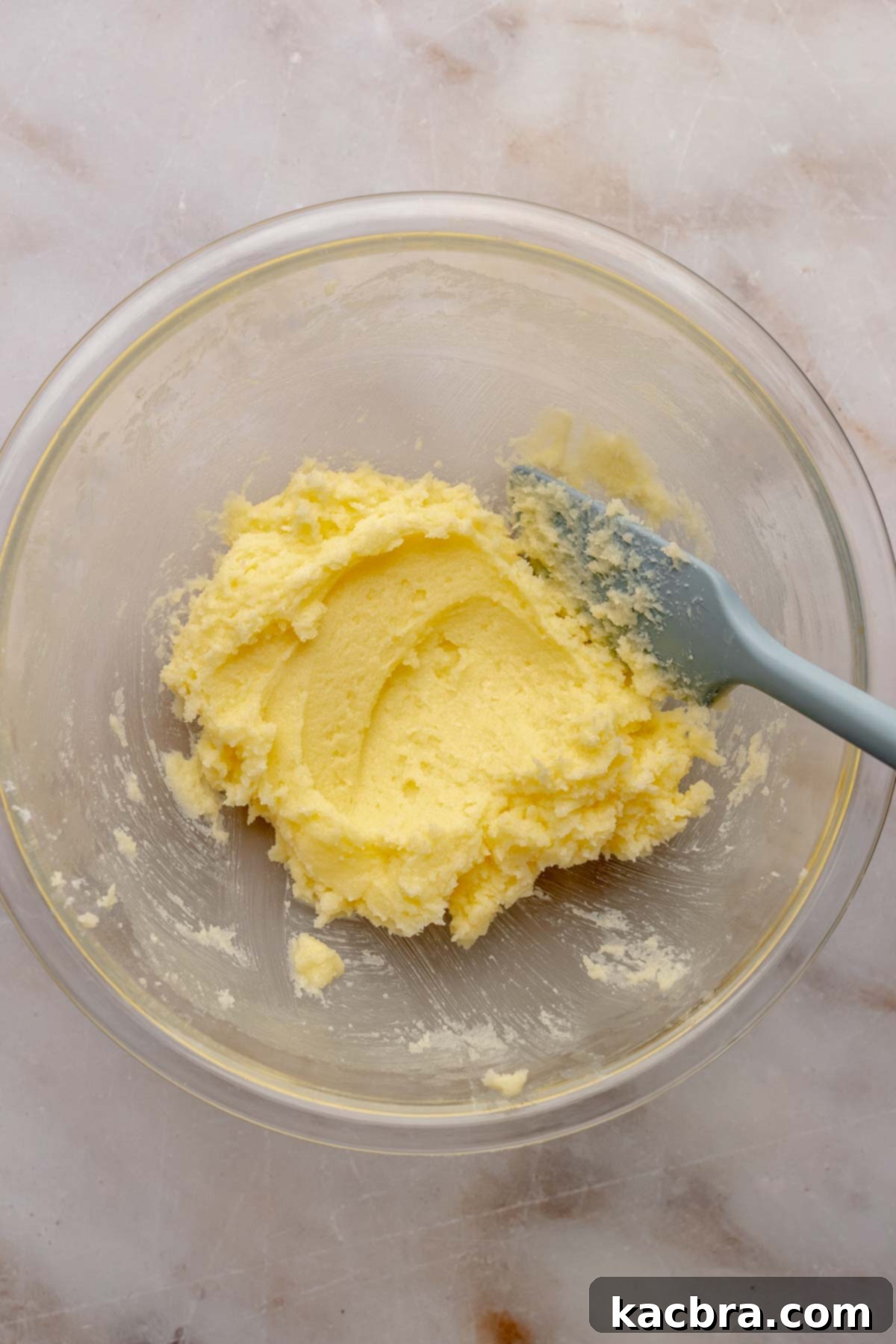
- In a stand mixer fitted with the paddle attachment, cream the room temperature butter and granulated sugar together on medium speed for about two minutes, until the mixture is light, fluffy, and pale in color. Be sure to scrape down the sides of the bowl with a rubber spatula to ensure all ingredients are well incorporated.
- With the mixer running on low speed, add the vanilla extract and coconut extract. Slowly drizzle in the lightly whisked eggs, allowing them to fully incorporate into the batter. The mixture may look slightly curdled at this stage, but it will smooth out once the dry ingredients are added.
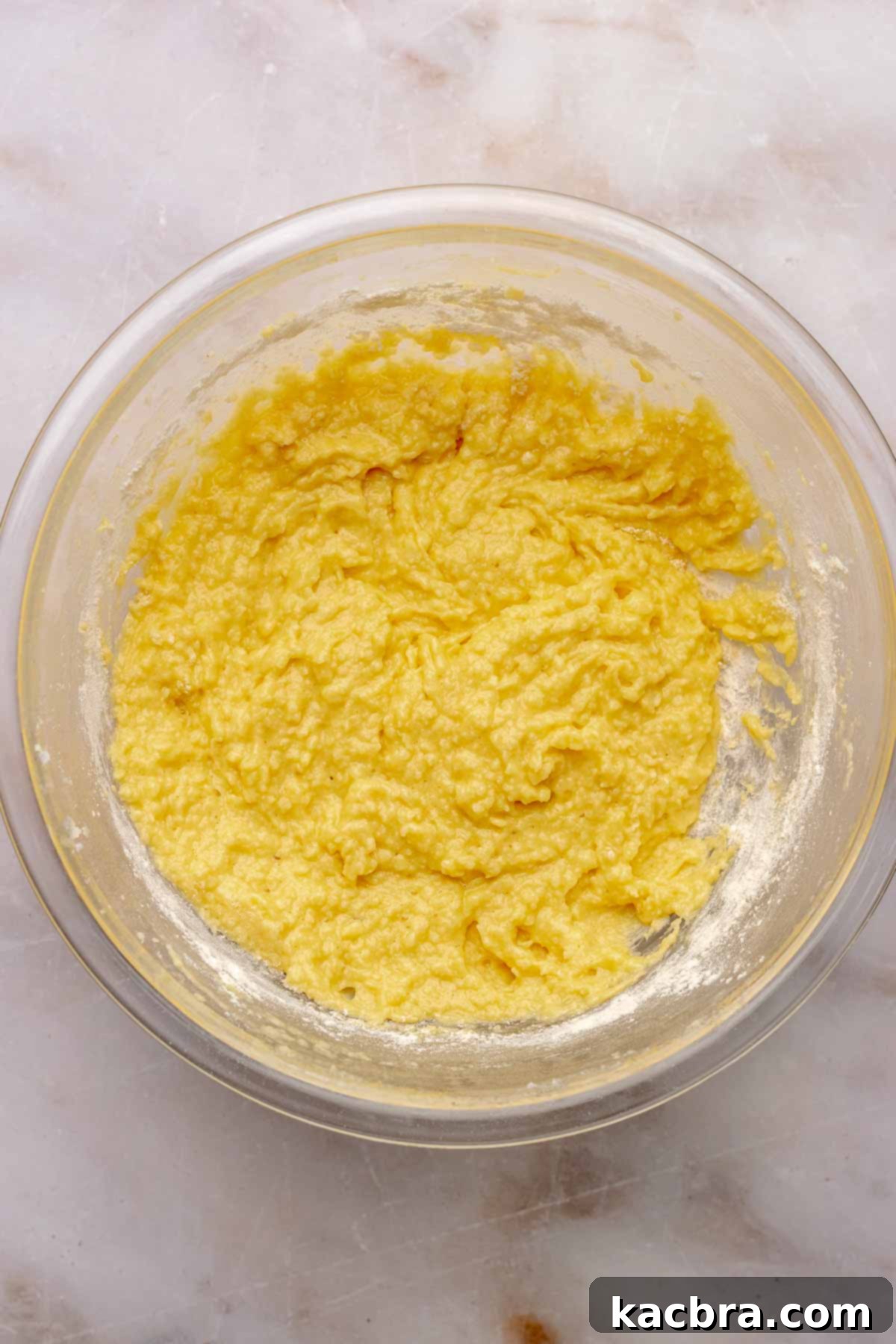
- Keeping the mixer on low speed, gradually spoon in the dry ingredient mixture (flour, baking powder, salt) until it is almost fully incorporated. Stop mixing as soon as most of the dry streaks disappear.
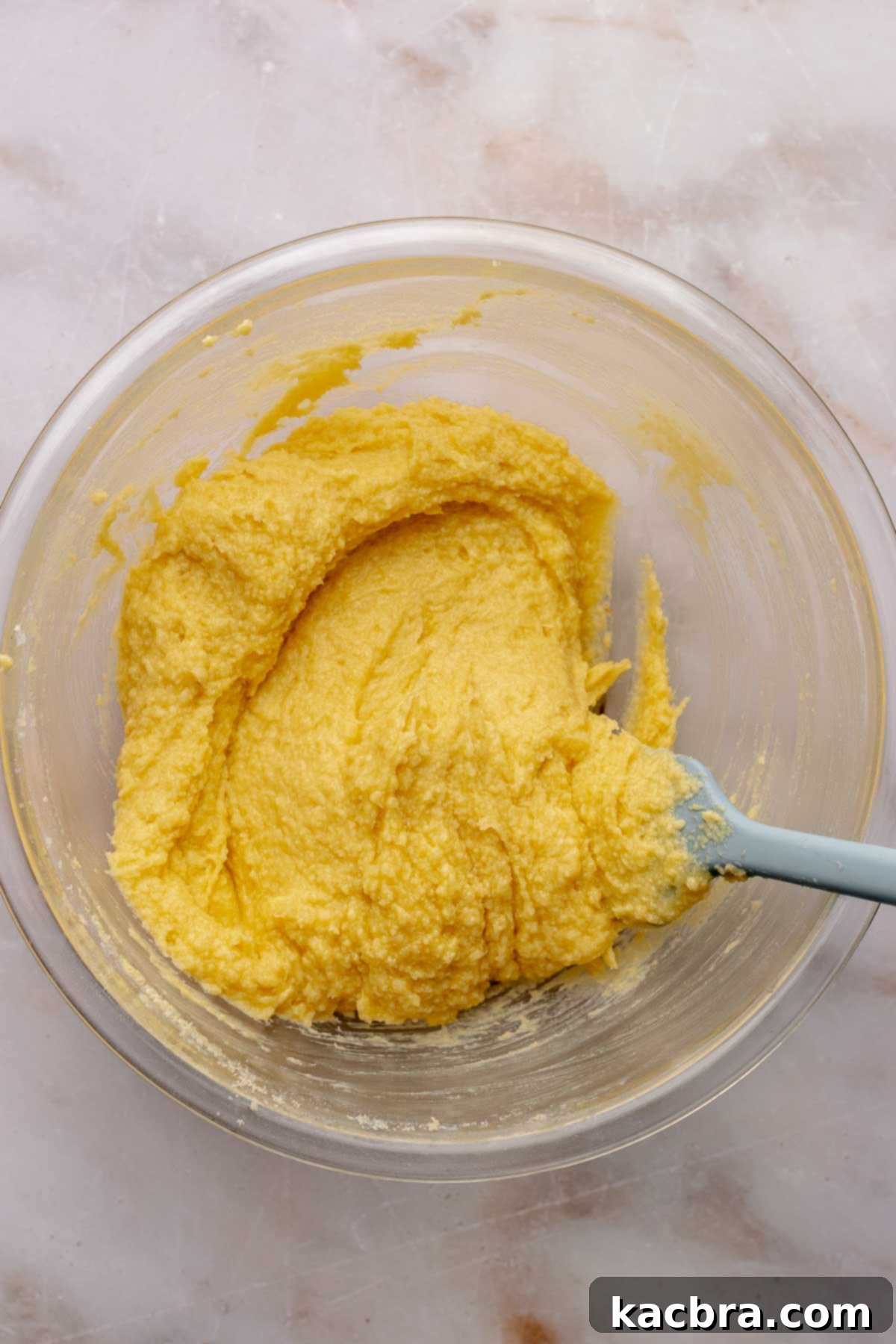
- Remove the bowl from the stand mixer. Add the finely ground almond flour. Using a rubber spatula, gently fold the almond flour into the batter by hand until it is completely combined and no dry pockets remain. Ensure you scrape down to the bottom of the bowl and bring the mixture up in a “J” motion while folding to evenly distribute the almond flour.
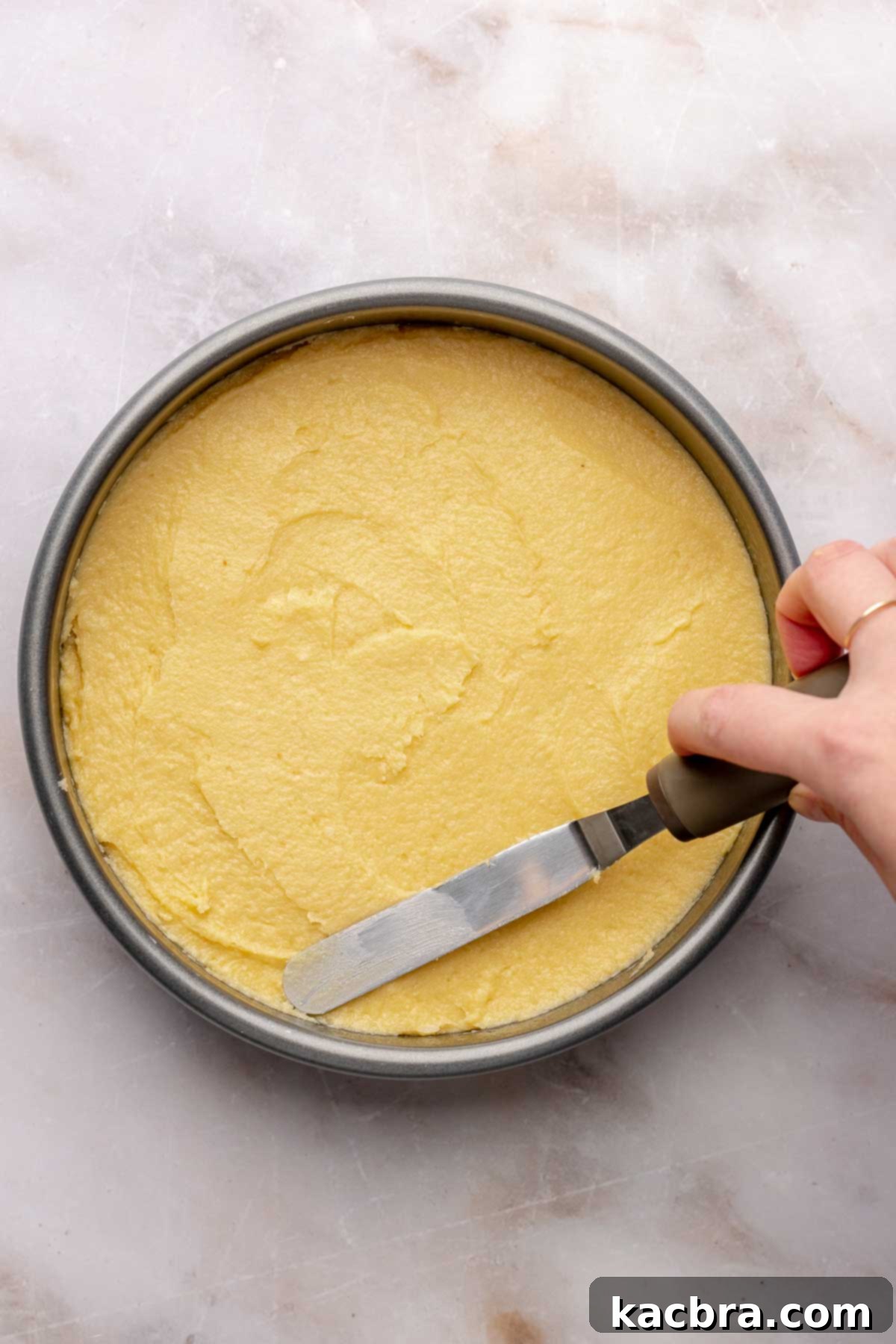
- Pour the batter into the prepared cake pan and spread it evenly with the spatula. Bake in the center rack of the preheated oven for 28-35 minutes. The cake is done when the sides have pulled away slightly from the pan and a toothpick or a paring knife inserted into the center comes out with moist crumbs, but no wet batter.
- Remove the cake from the oven and allow it to cool in the pan on a wire rack for 15 minutes. After 15 minutes, carefully invert the cake onto the wire rack to finish cooling completely before adding any toppings.
Coconut Whipped Cream
- To prepare for the whipped cream, place the bowl of your stand mixer and its whisk attachment into the freezer for at least 15 minutes. While the bowl chills, toast the ½ cup shredded coconut in a large, dry pan over medium heat, stirring and tossing frequently until the coconut turns lightly golden brown and fragrant. Transfer the toasted coconut to a plate to cool completely.
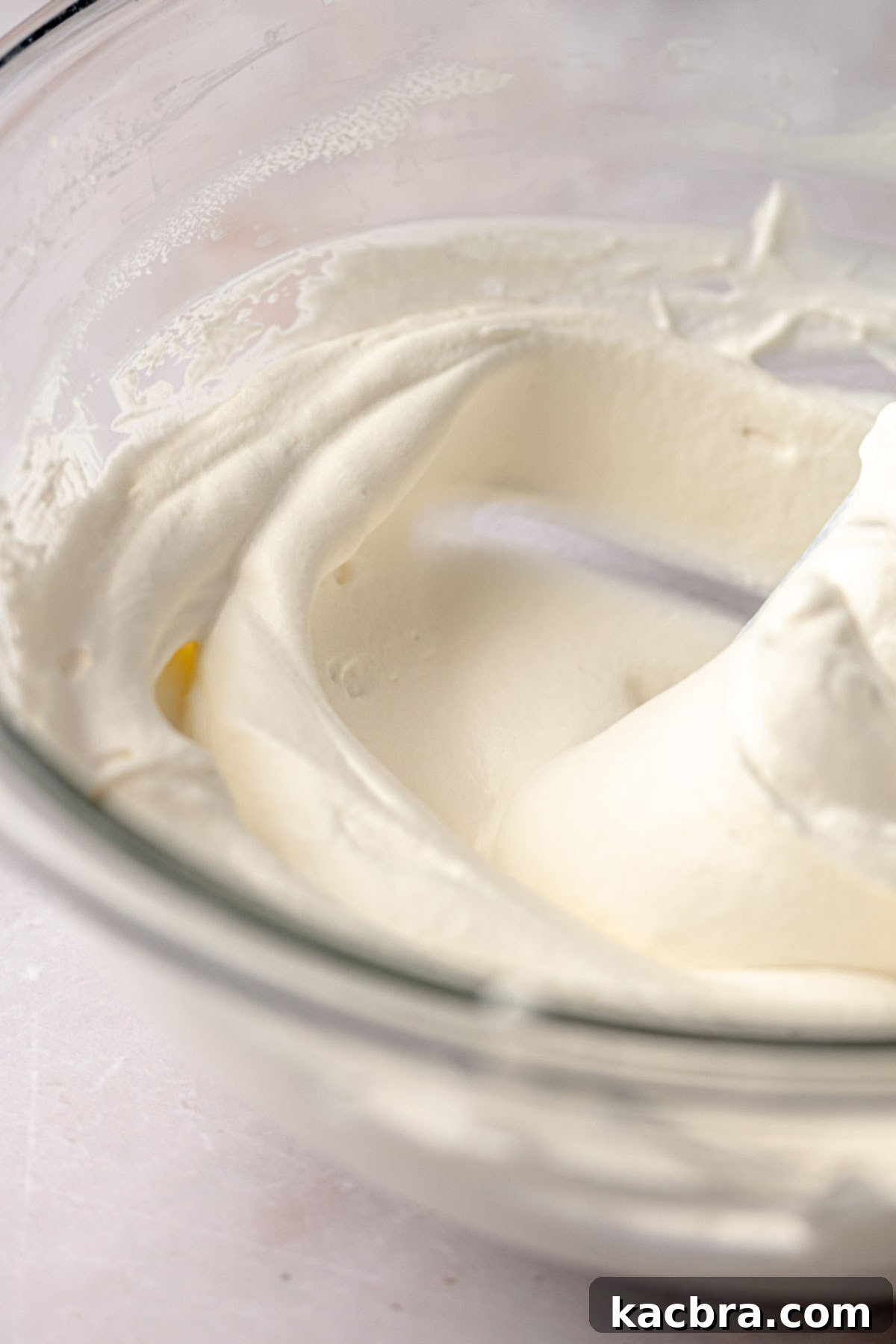
- Once the bowl and whisk are thoroughly chilled, add the cold heavy whipping cream, powdered sugar, and coconut extract to the bowl. Whip on medium speed for about one minute until the cream begins to thicken. Increase the speed to high and continue whipping until soft, fluffy peaks form. Be careful not to over-whip, or it may become grainy.
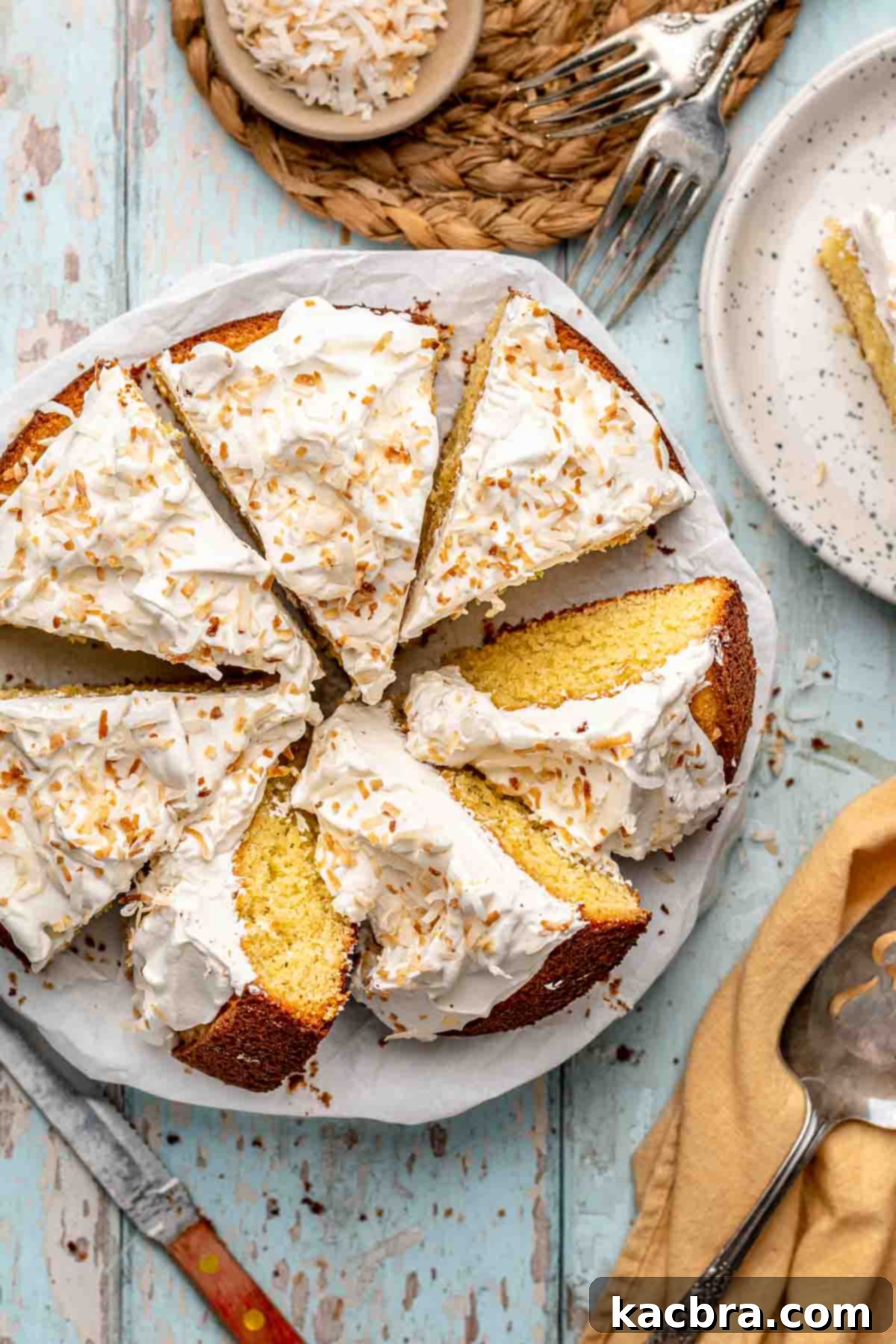
- Once the cake is completely cooled, spread the freshly whipped coconut cream evenly over the top. Finish by generously sprinkling the cooled, toasted shredded coconut over the cream just before serving.
Video
Video coming soon! In the meantime, follow the step-by-step instructions above.
Notes
Be extremely careful not to slam the oven door or move the cake pan too quickly or vigorously when you check for doneness. Sudden movements or abrupt temperature changes can cause the center of the cake to sink, leading to an uneven texture. Also, avoid cooling the cake in an overly drafty or cold area, as this can also contribute to a sunken center.
For the best presentation and texture, add the whipped cream topping only when you are ready to serve the cake. This prevents the cream from deflating or becoming watery.
If you are storing the cake without the whipped cream topping, cover it tightly and keep it at room temperature for up to 5 days. If the cake already has the whipped cream topping, it must be covered and stored in the refrigerator for up to 3 days to maintain freshness.
Note: This cake recipe was originally developed as a loaf cake. If you prefer to make this version, line a 9×5″ loaf pan with a parchment paper sling and bake for 35-45 minutes, or until a toothpick inserted into the center comes out with a few moist crumbs (but no wet batter).
Nutritional Information
Carbohydrates: 28g
Protein: 5g
Fat: 23g
Saturated Fat: 12g
Polyunsaturated Fat: 1g
Monounsaturated Fat: 5g
Trans Fat: 1g
Cholesterol: 86mg
Sodium: 115mg
Potassium: 53mg
Fiber: 1g
Sugar: 21g
Vitamin A: 608IU
Vitamin C: 1mg
Calcium: 59mg
Iron: 1mg
The provided nutritional information is an estimate per serving. Accuracy is not guaranteed.
Tried this recipe?
Let us know how it was!